What to Do in Naxos: 2 Days of Farm-Fresh, Pastoral Greece
LAST UPDATED: | TRAVEL DATE: | EST. READING TIME: 21 MIN
IN THIS GUIDE ✺

On the Cyclades’ most grounded island, blend wind-powered adventure with farm-fresh traditions and an old-town maze steeped in Venetian history during this 2-day Naxos itinerary centered on the west side.
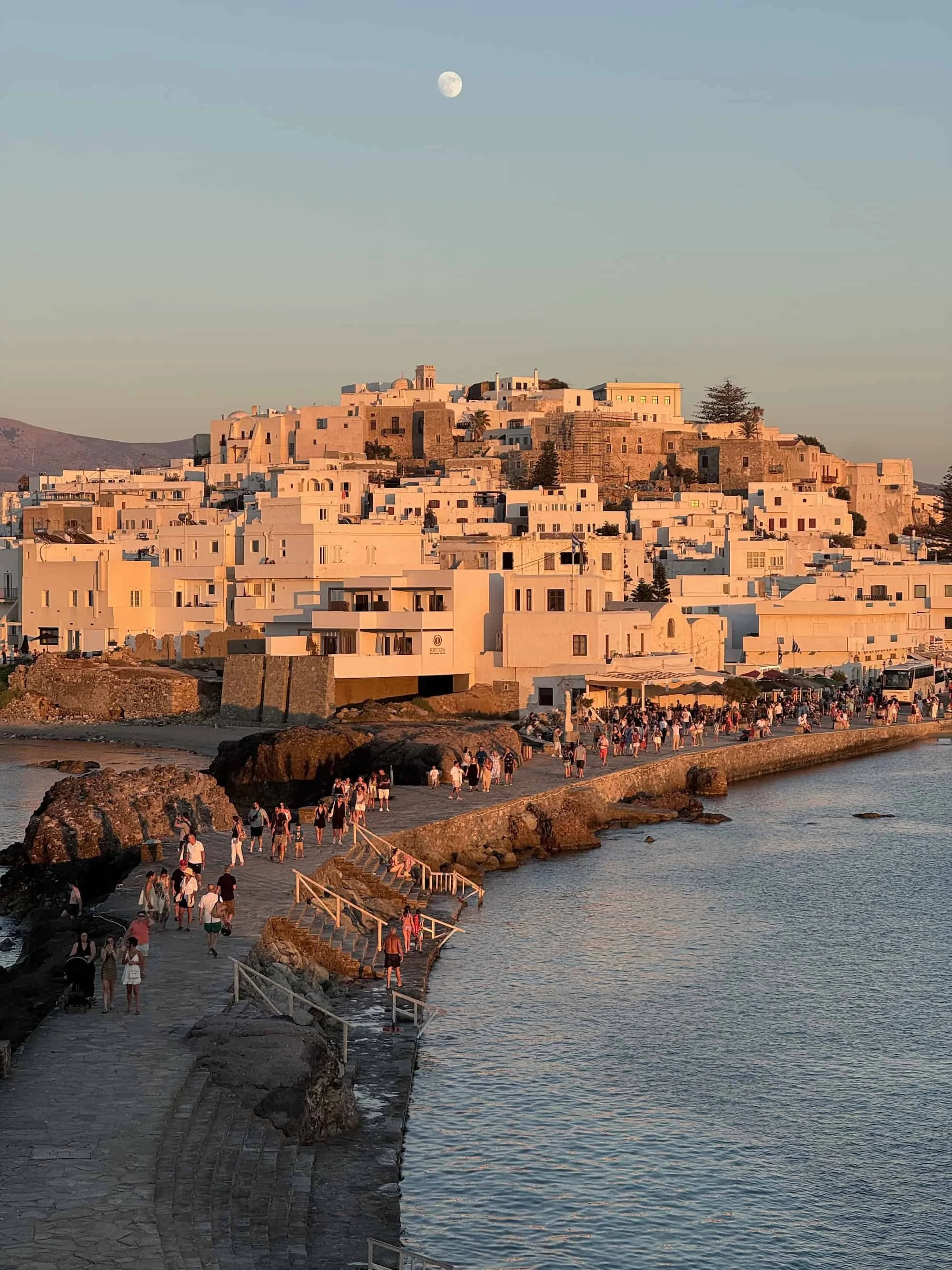
A wind-swept, agrarian escape, Naxos delivers Europe’s top kitesurfing conditions alongside rustic villages, hearty cuisine, and its iconic Venetian old town. Meltemi gusts funnel north–northwest winds along the west-coast beaches all summer long, creating world-class conditions that practically beg you to take a lesson—even if you’re a total beginner!
Across the island, the medieval Kastro awaits: a winding labyrinth unlike any other Greek village, where modern livelihoods are built directly into the castle walls. While Chora’s port is the island’s busiest hub, the crowds thin quickly as you trade the waterfront for fertile farmland on the most agricultural island—famous for its distinct Naxian potatoes, cheeses, and signature liqueur, kitron—all must-try flavors on a first visit.
More rustic and reserved than its glossier neighbors, Naxos invites you to embrace a slower pace on a traditional island where the Greece of the past lives on.
2 Days in Naxos Itinerary
In a hurry? Here’s a time-stamped overview of the detailed what to do in Naxos 2 day itinerary you’ll find below:
Day 1
Winding Through Old-World Naxos
9:00 AM - 12:30 PM: 🏄 Use the wind to your advantage and take a kitesurfing lesson at Amouditis Kite Center (3 hr)
1:00 - 2:00 PM: 🐓 Try traditional rooster pastitsada during a harbor-side lunch at Taverna (1 hr)
2:00 - 4:00 PM: 🏰 Wander through the arched passageways and winding alleys of the fortified Venetian Castle (2 hr)
4:00 - 4:30 PM: 🥖 Break into a freshly baked loaf from The Old Bakery tucked away on a side street (30 min)
6:30 - 8:00 PM: 🐟 Pick your favorite fish from the ice box and have it grilled the Greek way at Nissaki (1 hr 30 min)
8:00 - 8:45 PM: 🌅 Watch the sunset drift down through the Temple of Apollo on the peninsula viewpoint (45 min)
9:00 - 10:00 PM: 🍋🟩 Sip on the island’s signature liqueur produced from citrus tree leaves at Kitron (1 hr)
Day 2
From Garden to Greek Table
10:00 AM - 2:00 PM: 👨🍳 Prepare an authentic, farm-to-table Greek lunch during a Perivoli cooking class (5 hr)
4:00 - 6:00 PM: 🏖️ Work through your food coma after lunch lying out at the Agios Georgios beach (2 hr)
8:00 - 9:30 PM: 🍽️ Watch the sun set above the old Ursuline girls’ school at Avaton 1739 rooftop (1 hr 30 min)
9:45 - 10:00 PM: 🍩 Snack on freshly deep-fried loukoumades outside the Rendez-vous Cafe for dessert (15 min)
Click the star next to the title of this interactive map featuring all the stops detailed in the 2-day Naxos itinerary above to add it to your Google account for easy navigation during your trip!
Where is Naxos?
The largest island in the archipelago, Naxos sits near the center of the island group along major Aegean ferry routes. Well-connected to nearby destinations, it lies just east of Paros and north of its smaller neighbor, Iraklia, with the island of Ios farther to the south. Positioned roughly midway between the northern Cyclades—such as Mykonos and Syros—and the southern islands including Santorini and Amorgos, Naxos serves as a natural crossroads. Home to around 20,000 permanent residents, it’s also the agricultural powerhouse of the Cyclades. An abundance of potatoes, citrus, olives, cheeses, and local meats are produced thanks to the island’s unusually rich soil and reliable freshwater sources—features rare among neighboring islands.
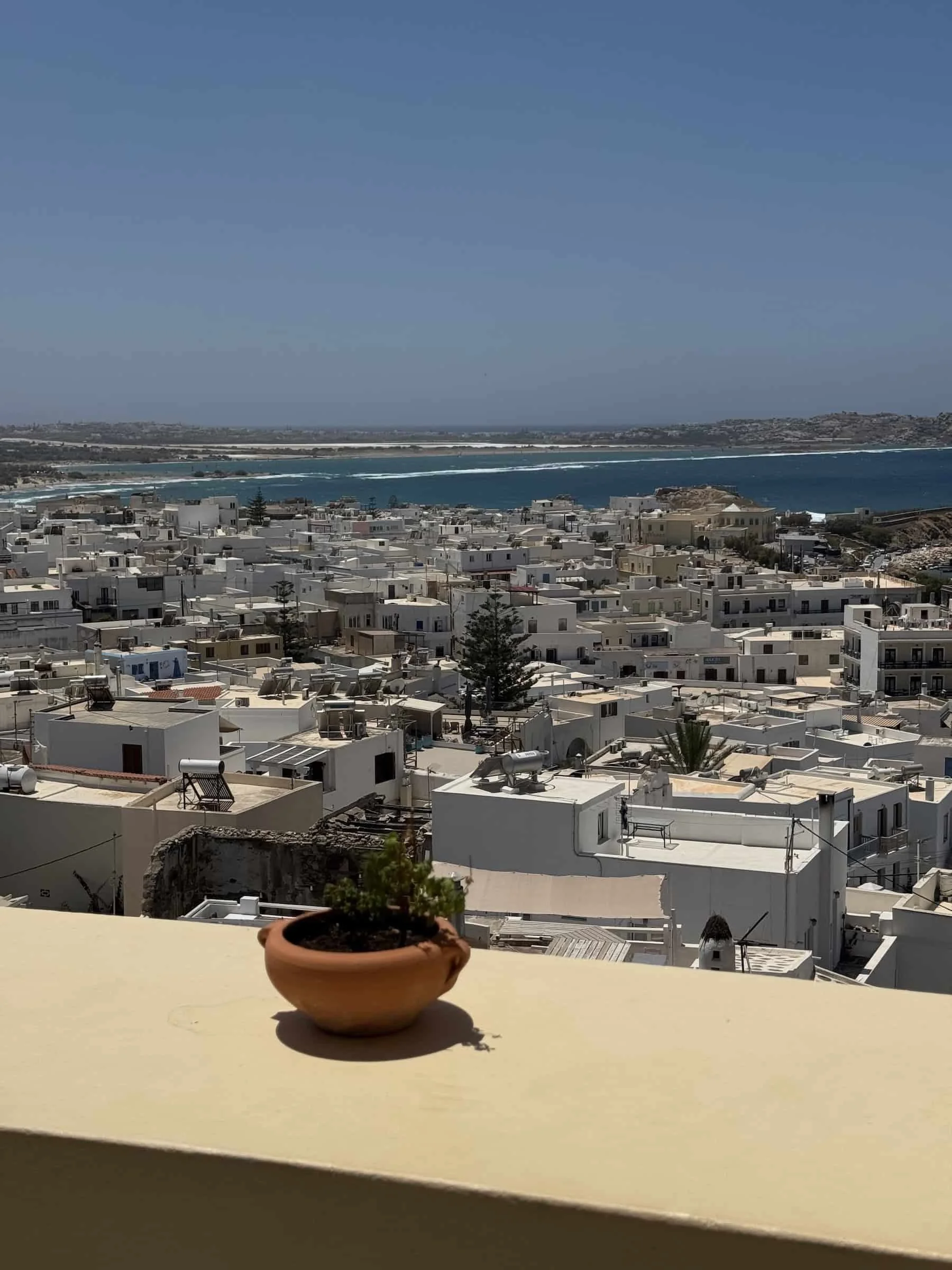
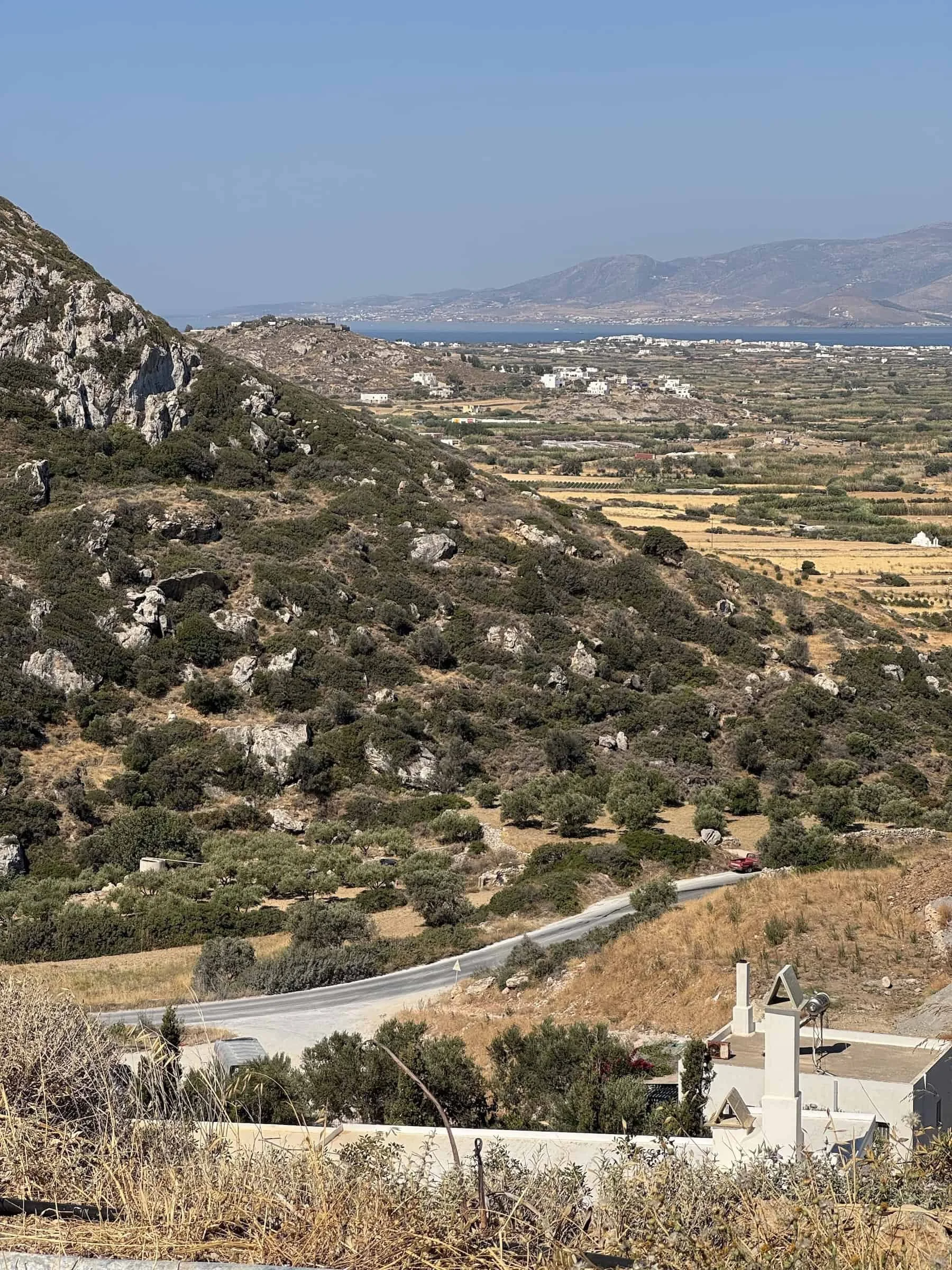
Ovular in shape with Stelida forming part of its pointed western coastline, rural Naxos is characterized by fertile valleys, sweeping farmland, and a dramatic mountainous spine crowned by Mount Zas—the highest peak in the Cyclades. This same vast, hilly terrain also means that getting around can be more challenging than on smaller, flatter islands. Distances are longer, roads often wind through the mountainous interior, and many of the most charming traditional settlements and beaches require planning or a bit of extra travel time to reach. Its position in the heart of the Meltemi wind corridor also makes Naxos one of the best destinations in Greece for wind-powered watersports, with strong, reliable summer gusts powering world-class windsurfing and kitesurfing beaches along the west coast.
How to Get Around Naxos?
WALK: Unlike compact cities, Naxos is far too large and mountainous to explore on foot. Its best beaches, inland villages, and historic sites are far too dispersed to justify traveling all that way only to remain in the walkable town closest to the ferry port. That said, many whitewashed settlements are built around narrow pedestrian lanes that cars can’t access. Chora’s Kastro district, Apeiranthos’s marble-paved alleyways, and the winding streets of Halki are best explored on foot after parking in a free lot on the outskirts of each village.
PUBLIC TRANSIT: The Greek islands, including Naxos, are connected by a network of KTEL buses (official site), with one-way tickets costing €1.80-€6.40. These tickets must be purchased using cash before entering the bus, available at the bus terminal station at the Port of Naxos, news agents, kiosks, and mini markets with the KTEL sign. Employees inside are often able to provide guidance if you have questions about a particular route.
On Naxos, the main bus terminal is in the Chora port area where ferries also arrive. Routes operate in a hub-and-spoke model, with most lines beginning or ending at this central station. While this is the cheapest method of transportation on Naxos, you’ll be limited to the stops on the timetable—for this particular 2 days in Naxos itinerary, not every destination is reachable by bus. Amouditis Kite Center can be accessed via the route connecting Chora to Agios Prokopios, Agia Anna, and Plaka Beach, however Perivoli Farm in Melanes is not directly served While a line runs to Melanes on weekdays, the farm sits well outside the village and would require an additional 30-minute uphill walk—making a private transfer the most practical option.
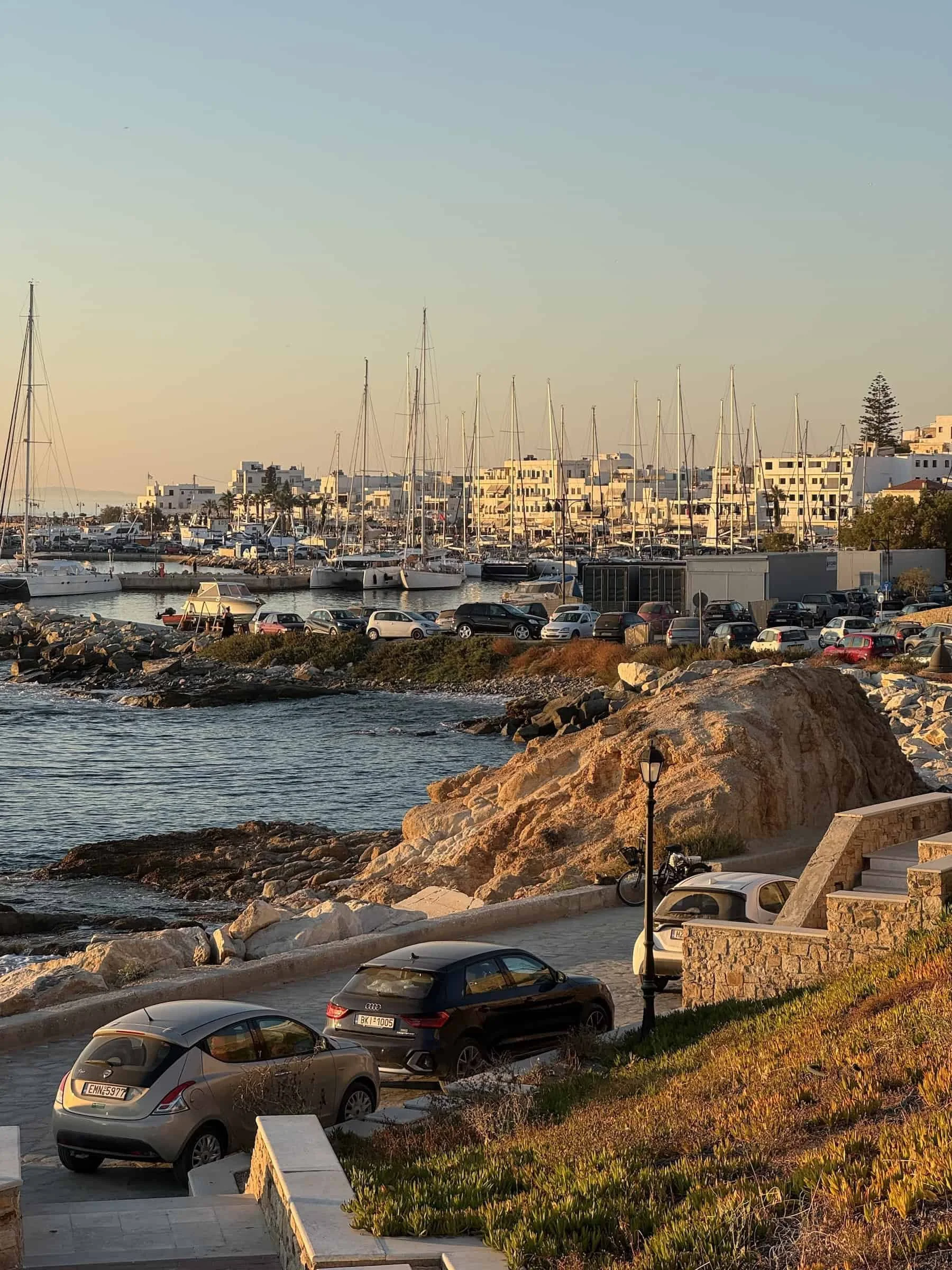
TAXI + TRANSFER: Only 33 legal taxis operate on the entire island of Naxos, serving high-traffic areas including the airport and Chora port. This is undoubtedly the most expensive way to get around, however, pricing is far more reasonable than on luxury-forward islands like Santorini and Mykonos. Small base fares and a standard per-kilometer rate—typically €0.90/kilometer during the day and a slightly higher tariff after midnight—adhere to Greece’s regulated meter system. Surcharges for port or airport pickups are minimal, and fares rarely reach the inflated flat-rate prices seen on neighboring islands.
Assuming you have scheduled flight or ferry tickets lined up, it’s typically cheaper to arrange transfers to and from your accommodations in advance and only call taxis when more flexibility is required. Taxis are readily available at the main taxi stand by the Port of Naxos, and rides can also be arranged directly—my driver, for example, can be contacted at +30 693 253 4401.
DRIVE: For a short 2-day stay, you can get away without renting a car on Naxos. As a first-timer, you’ll likely spend most of your time in Chora, where all of the old-town highlights—from the Kastro to the waterfront—are walkable, as is nearby Agios Georgios Beach. Following this itinerary exactly, it’s actually cheaper to rely on private transfers to reach the two outlined excursions: the Perivoli Farm cooking class—which isn’t accessible via public transit anyways—and a kitesurfing lesson on Plaka Beach. Taxi rates on Naxos are also among the lowest in the Cyclades, making short point-to-point rides relatively affordable.
However, if you choose to skip those excursions, renting a car could be worthwhile on your second day to explore the island’s inland villages and historic sites—such as Melanes and the nearby Kouros statue, Chalkio where kitron was originally distilled, or the Ancient Temple of Dionysus.
Pro Tip:
While I was never explicitly asked for it when picking up a rental car, it’s prudent to obtain an International Driving Permit from your local AAA office before leaving home.
How to Get to Naxos?
FLY: Naxos is served by a small domestic airport with direct 40-50 minute flights into JNX from Athens (ATH). Once you’re already in the Cyclades, there’s little reason to fly between islands given the robust ferry network is typically cheaper, more frequent, and more efficient for island-hopping. However, if you’re arriving directly from the Greek capital, this recently upgraded terminal handles the short-haul connection with just a few check-in counters, limited departure gates, and a small snack bar. Located near the midpoint of the island’s west coast, it’s one of the more convenient Cycladic airports—only a 10-minute drive from the main town of Chora and many of Naxos’s most popular beaches.
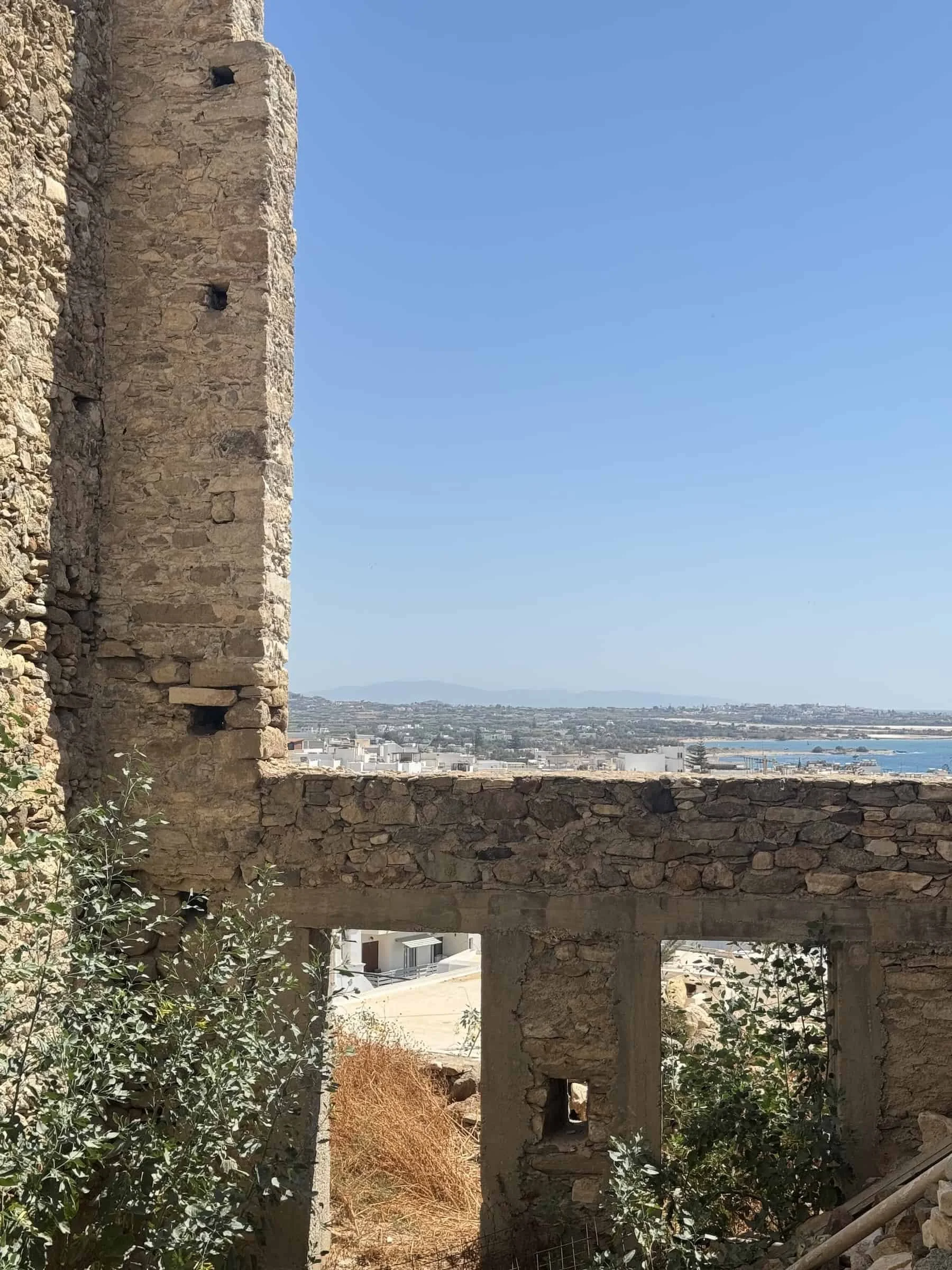
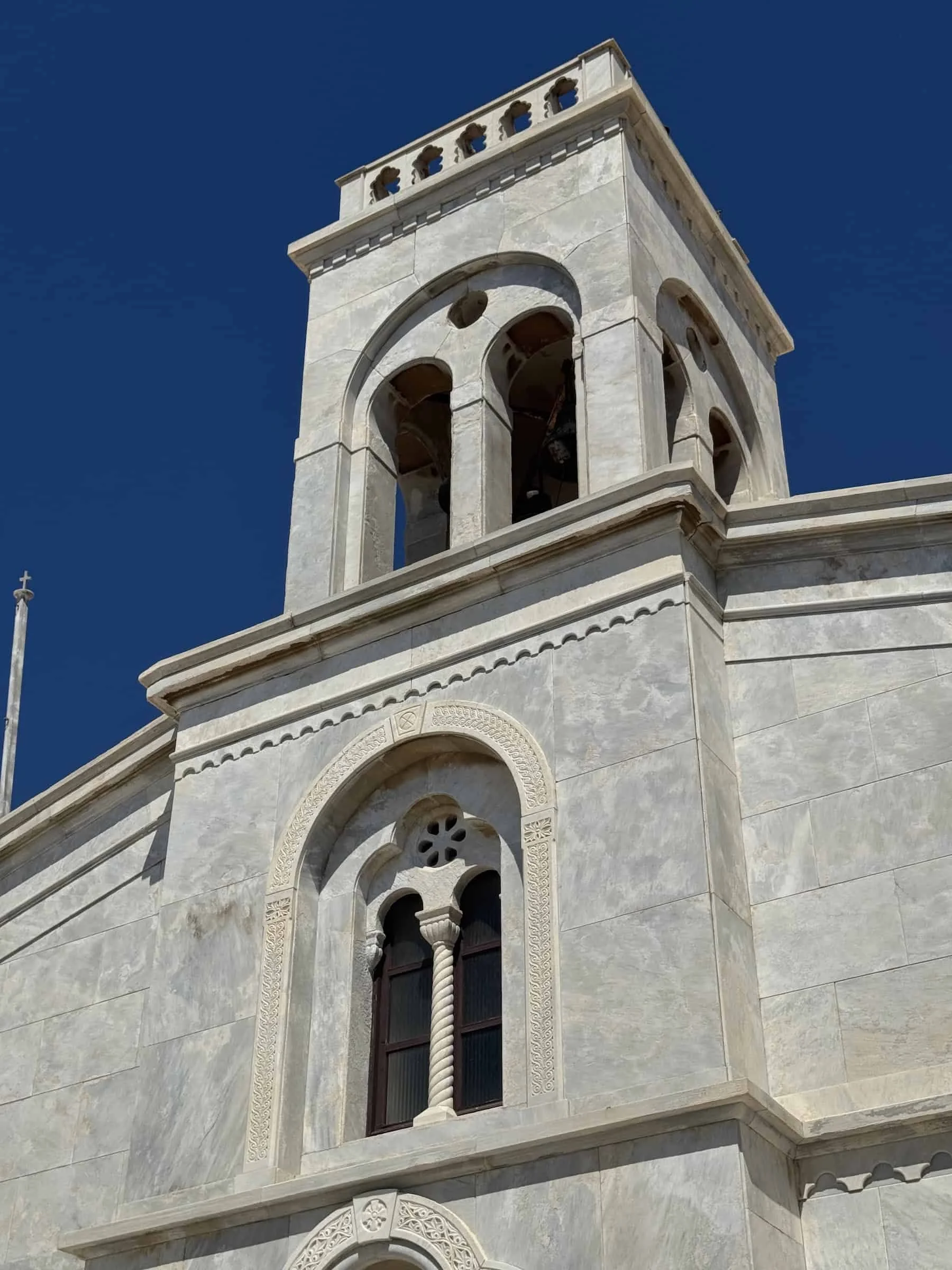
FERRY: Taking the ferry from another Greek island to central Naxos is efficient and cost-effective. Posh Paros is nearby with the quickest SeaJets lines taking only 25 minutes to sail this route, while the slowest option stops in Mykonos first, lasting 1 hour and 50 minutes. The fastest SeaJets ferry from Athens to Naxos takes 3 hours and 20 minutes. Find connections from any other Cycladic stops on FerryHopper with live schedule updates and ferry tracking.
All ferries dock at the port in Chora, conveniently located near Old Town Naxos highlights like the Venetian Castle. As with all transit by ferry, time is saved upon arrival given that no security process is enforced as is standard at airports—simply walk up to the port, locate which corridor corresponds with your vessel, and board alongside other guests once the back door comes down. Check in to the trip ahead of time and present your QR code to the conductor while boarding, then place your luggage in the cargo hold alongside vehicles or the passenger lounge—carry-ons and backpacks can fit in either. Locate your seat with odd and even numbers typically split into separate sides; staff members can guide you to the correct location. Enjoy the amenities which typically include outlets, tray tables, and a full-service café before heading back down to the cargo hold once your intended destination is announced over the speakers.
Where to Stay in Naxos?
For a short 2-day stay in Naxos, it’s worth paying slightly higher rates for a central base that allows you to easily reach nearby points of interest, whether you’re relying on taxis, buses, or your own vehicle. As both the ferry port and the hub of the island’s bus network, walkable, medieval Chora is the most convenient place to stay. Choosing the island’s capital—also known as Naxos Town—puts you in the heart of the action near major landmarks, dining, and shops. In many cases, you can simply walk from the port to your accommodations without arranging additional transit.
If a laid-back vacation is the goal, you can’t go wrong with west-coast beach towns. Agios Prokopios, Agia Anna, and Plaka are the most popular, allowing you to kick back and relax on these golden stretches of sand known for their calm waters and easy access to tavernas and hotels.
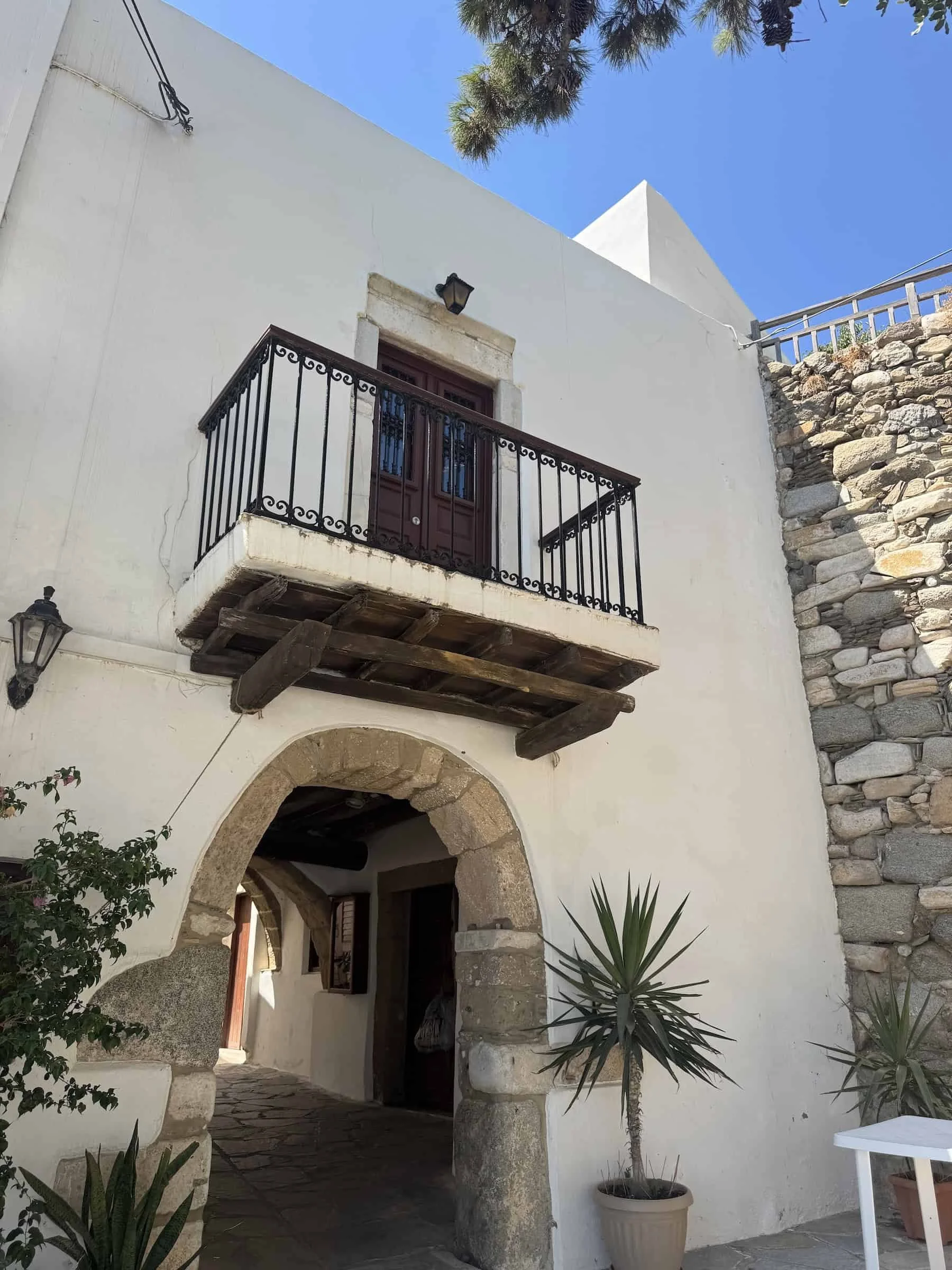
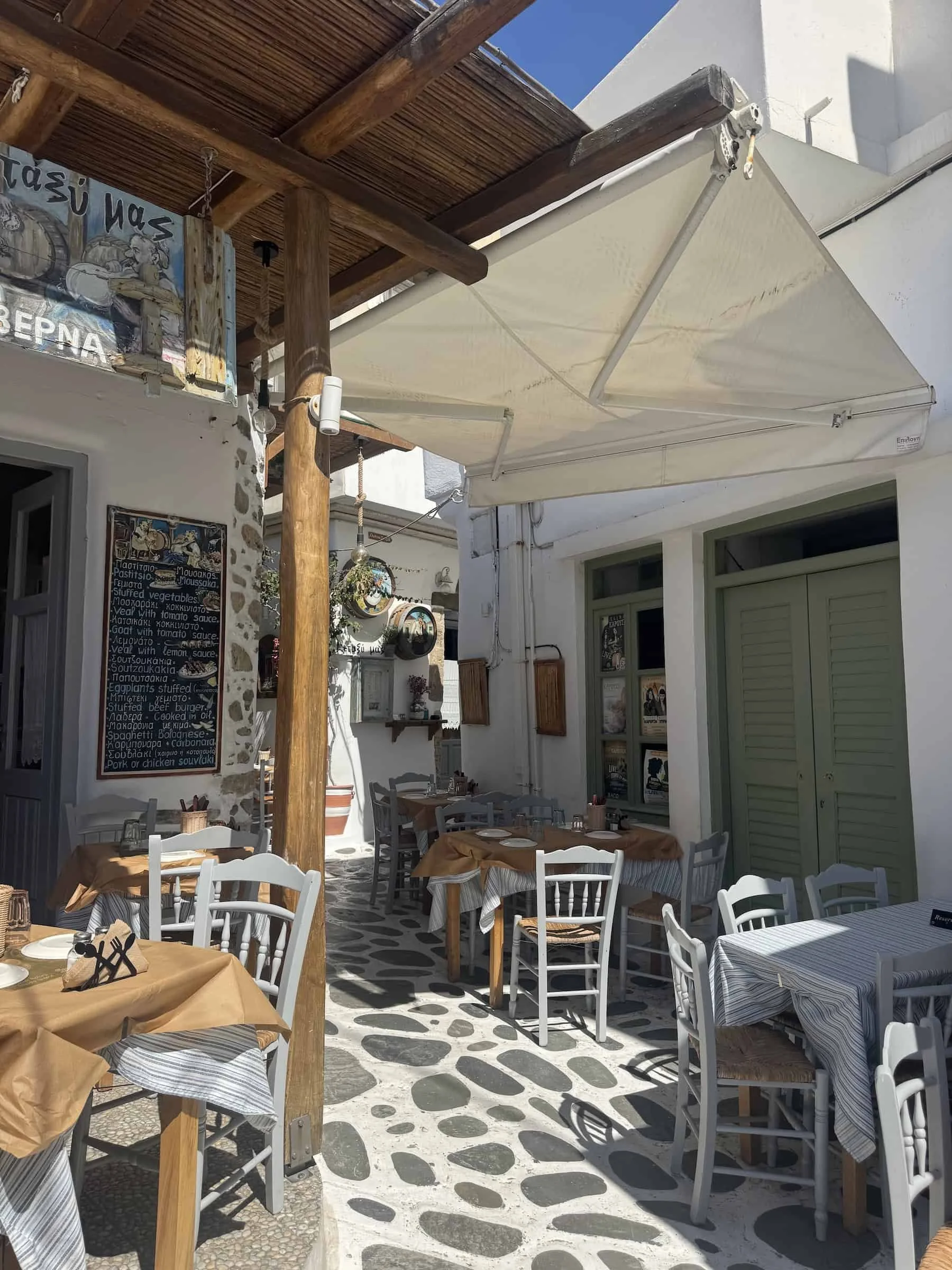
For a reasonably priced room just a 5-minute walk from the beach, I spent two nights at Golden Beach Studios, located south of the Kastro and the Port of Naxos. This family-run guesthouse was squeaky clean and steps from all the nearby highlights—including being fully walkable from the ferry port with luggage in tow—making it ideal for an efficient stopover. They even held my bags all day after check-out, completely free of charge, until my late-afternoon ferry to Mykonos departed.
No matter where you stay, ensure you can sleep soundly at night by securing travel medical insurance before you go.
I prefer SafetyWing Nomad Insurance for convenient coverage across borders, since I’m always looking to maximize an international flight with multiple passport stamps collected along the way.
The Essential plan is best suited for mid- to short-term travelers like me balancing a 9-5 with unexpected medical and travel risk coverage.
What to Do in Naxos?
Day 1
Kitesurfing Lesson
Situated smack dab in the middle of the Meltemi wind corridor, Naxos receives some of the most reliable summer winds in the Cyclades—making it one of Europe’s top kitesurfing destinations. The flat western coastline allows wind to sweep in long, steady windows ideal for learning this physically demanding watersport; take advantage of these strong, consistent gusts with a lesson.
20 minutes down the road from Chora, Amouditis Kite Center sits off the broad, shallow sands of Plaka Beach, a perfect training ground for beginners. Even with no prior experience, their private or semi-private lessons ensure you’ll feel confident and comfortable practicing from the safety of a dinghy, away from more advanced kiters already shredding the waves.
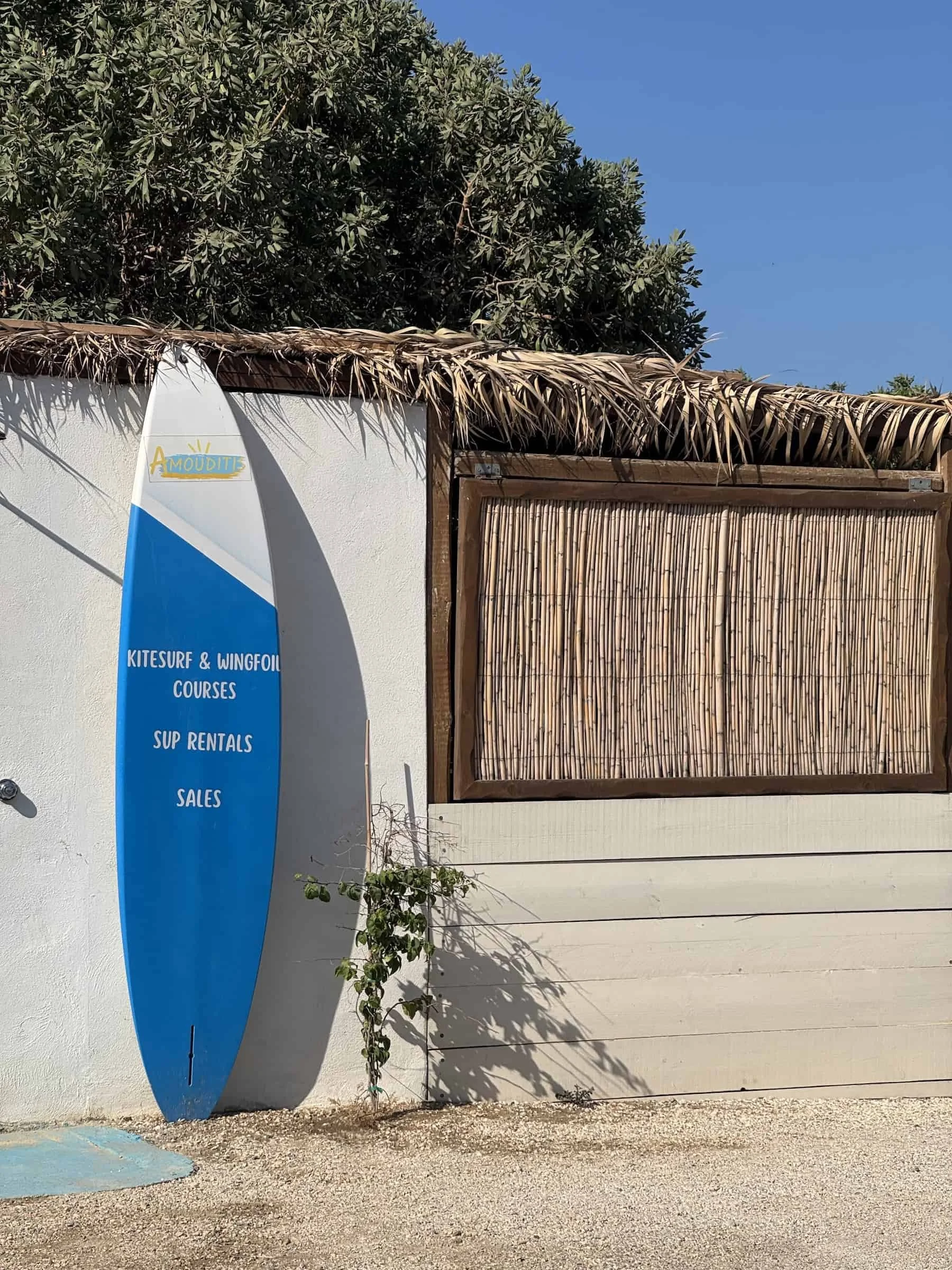
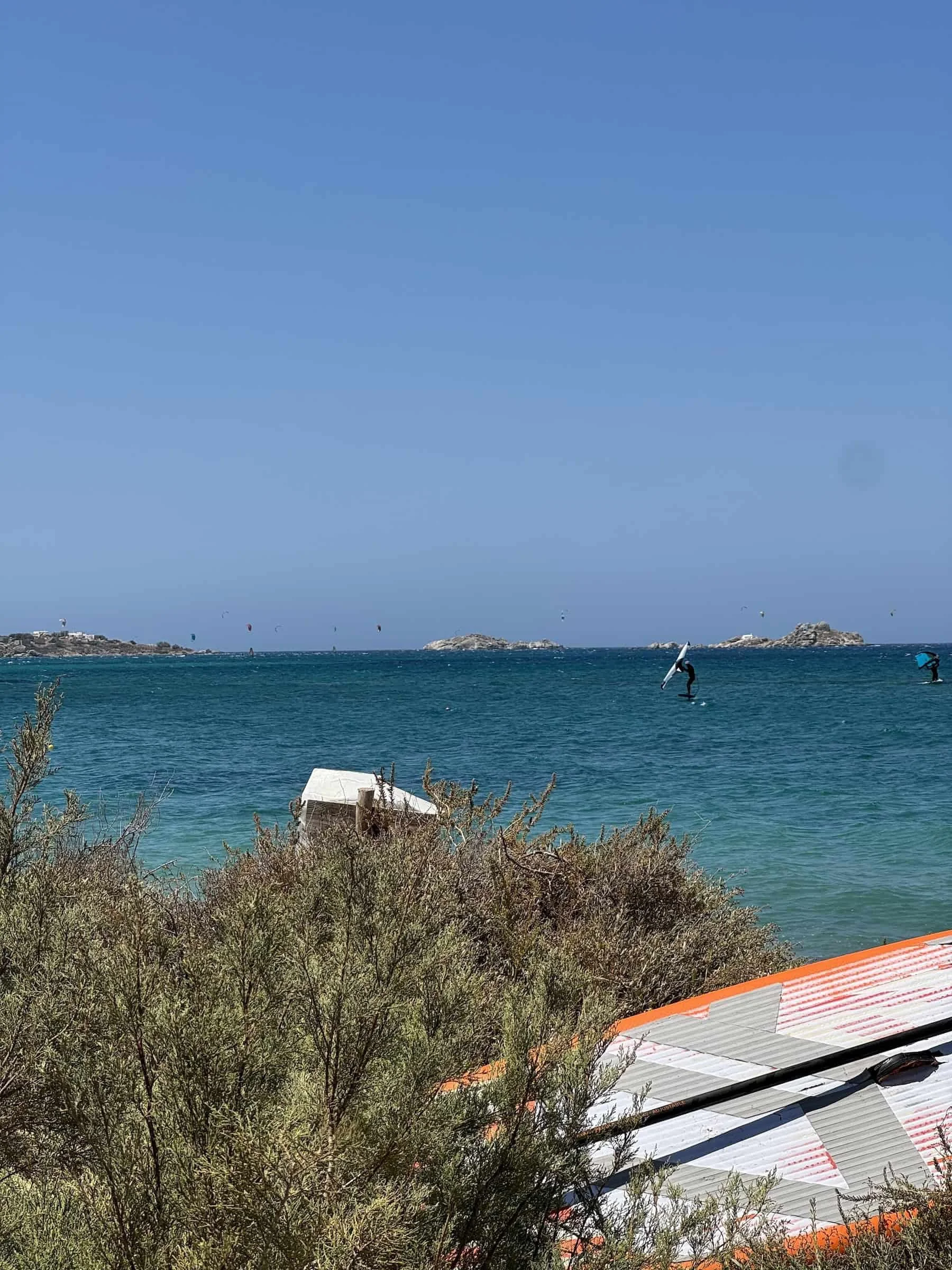
Lessons begin with your instructor fitting you into state-of-the-art gear—wetsuit, harness, impact vest, and helmet included. From there, you’ll move to the beach to learn the theory behind how to analyze wind conditions and respond accordingly with your kite. Naxos’ consistent NNW wind direction helps first-timers progress more quickly, since the predictable airflow arrives cleanly rather than gusty.
After mastering basic kite control on land, you’ll head to a dinghy to experience the pull of the wind firsthand from a stable vessel. If your initial control is exceptional, you may even get the chance to enter the water during your first class. Mine certainly wasn’t—so I finished out practicing in the dinghy, which was still an extremely rewarding experience, building the confidence needed to hopefully hit the water during my next kitesurfing attempt.
Lunch - Taverna
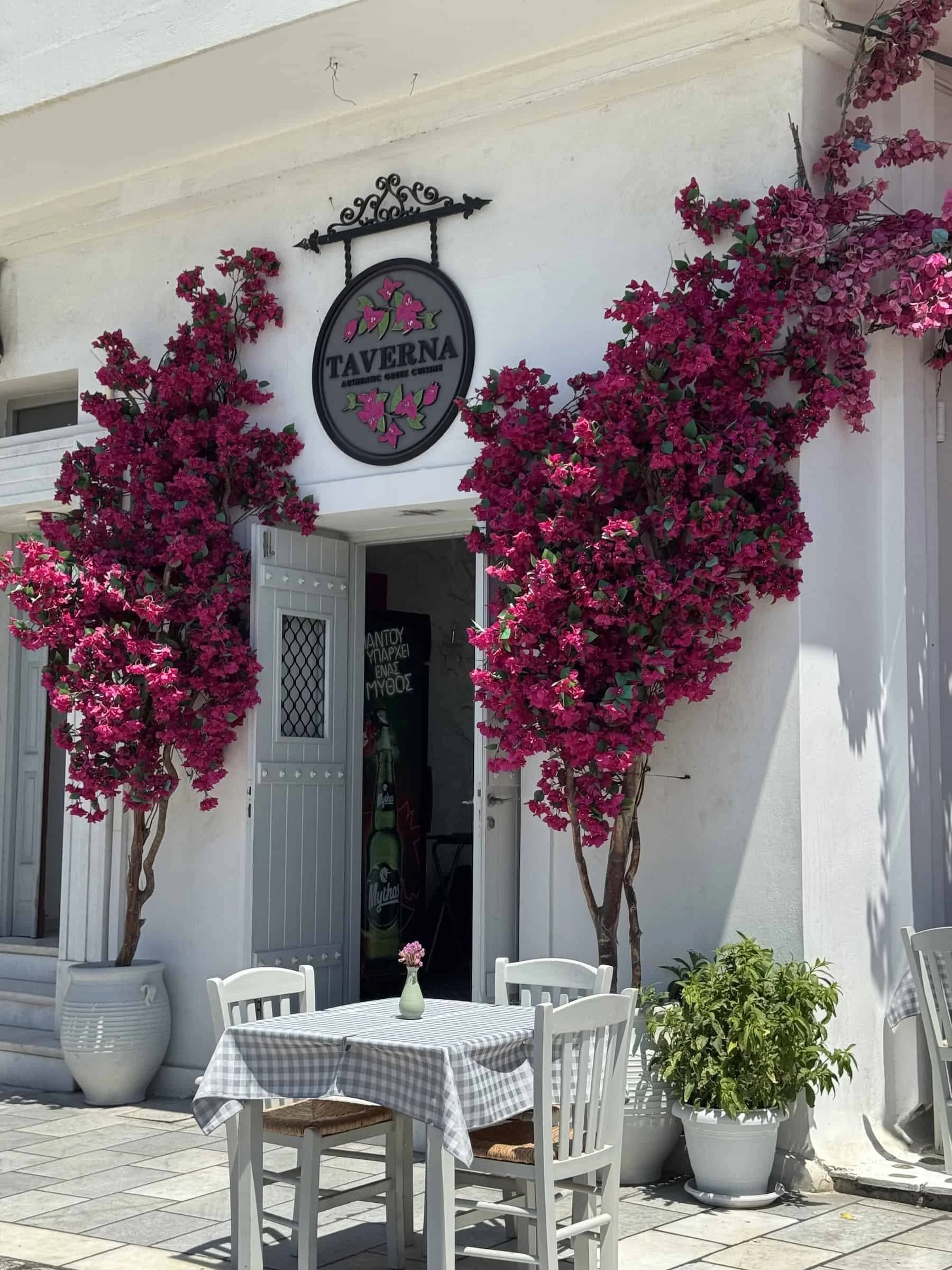
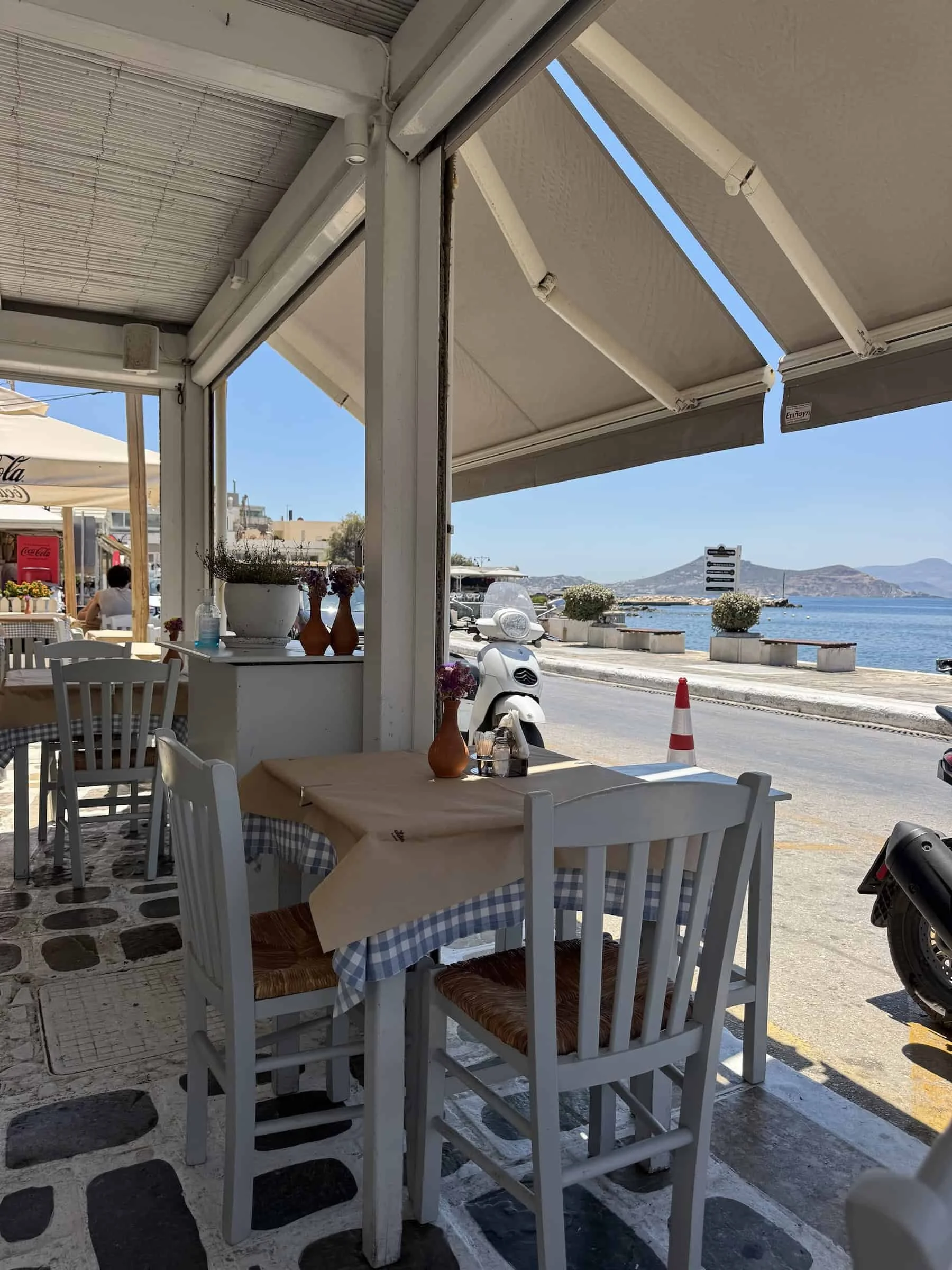
A traditional Greek café just outside the old town of Chora, oceanside Taverna is perfect for a quick, casual lunch where you can try rooster pastitsada. This hearty comfort dish features pasta topped with meat that has been slow-braised in a rich, aromatic tomato sauce—an ideal way to refuel after a strenuous morning.
Venetian Castle
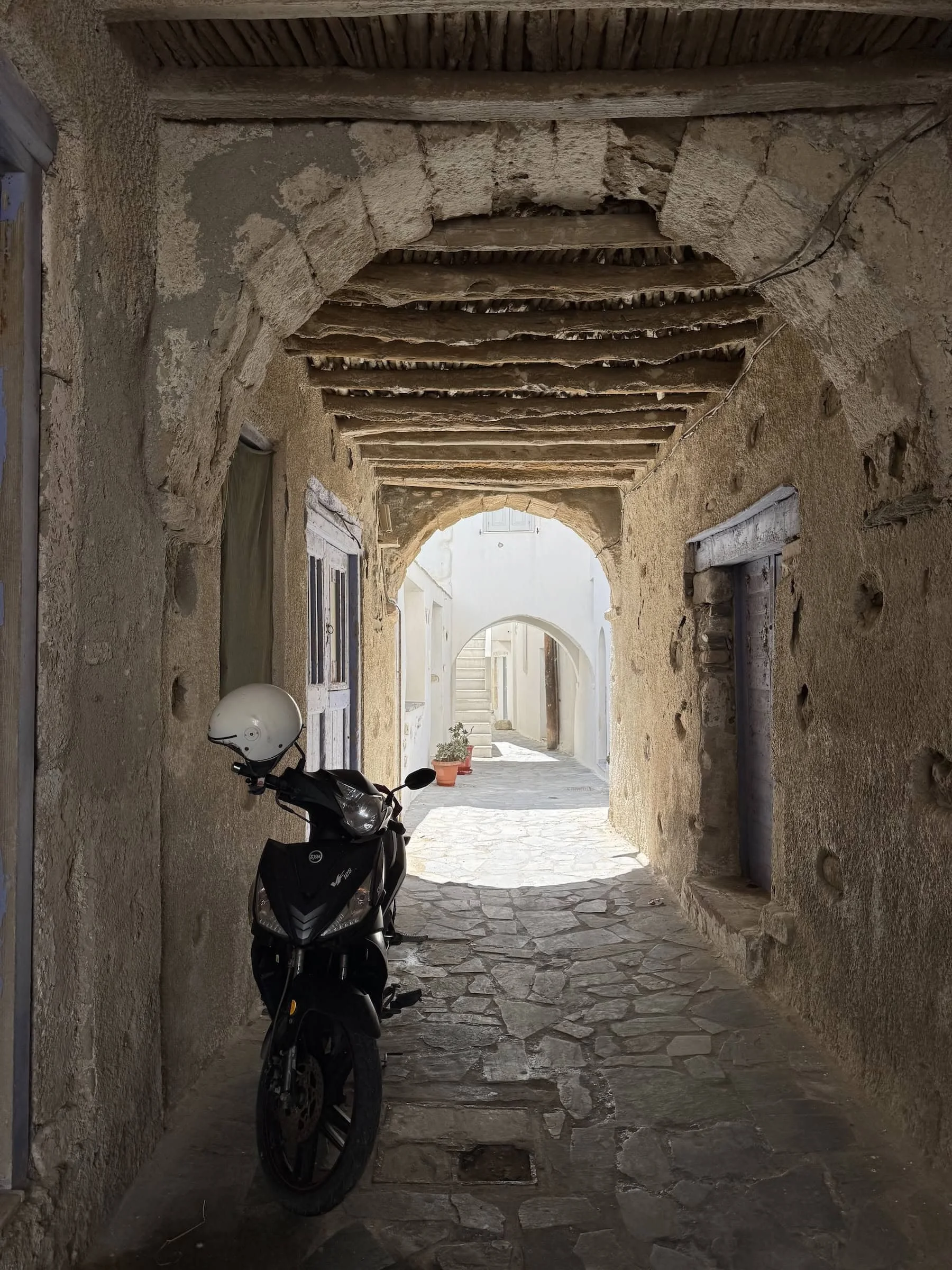
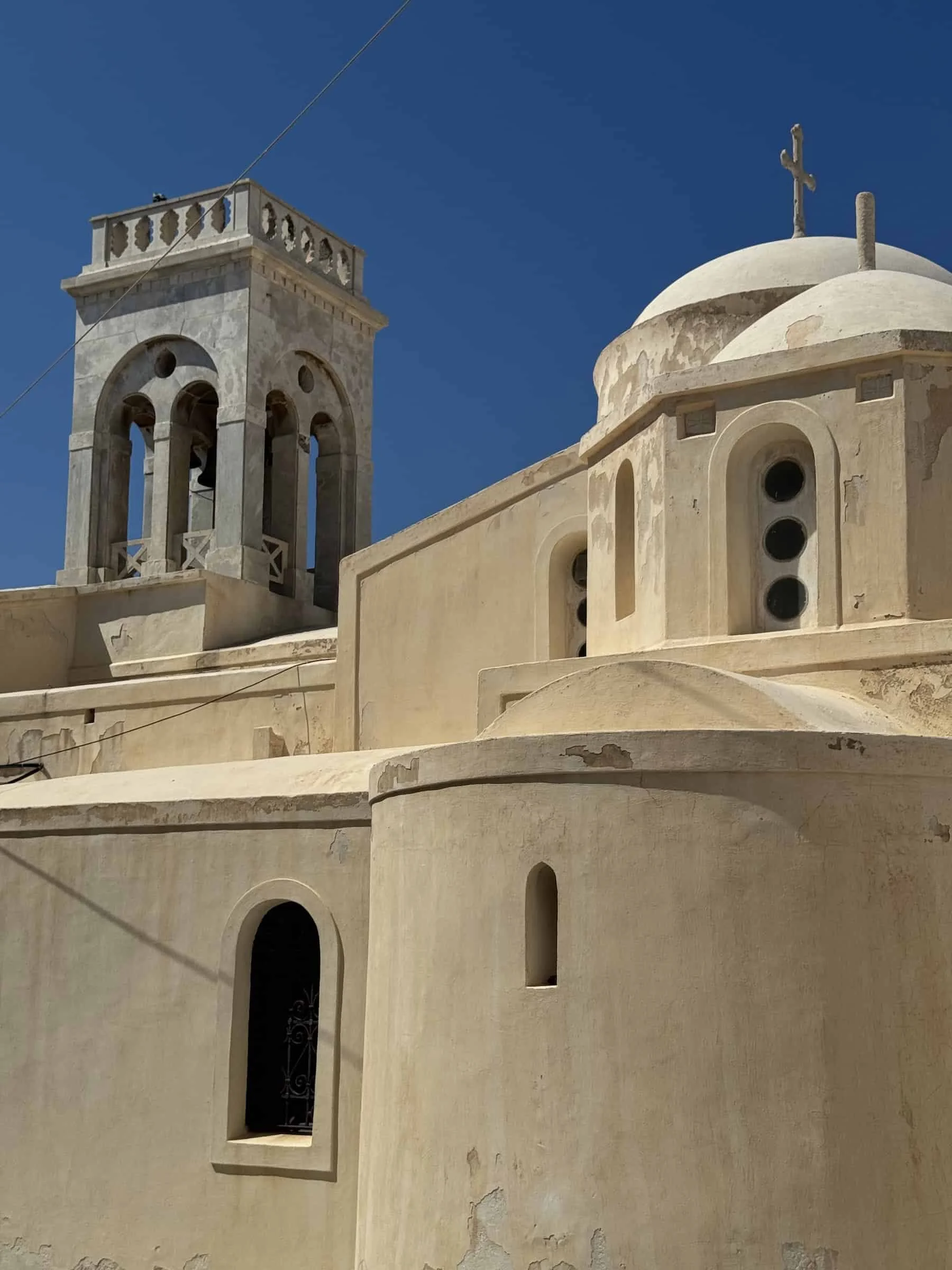
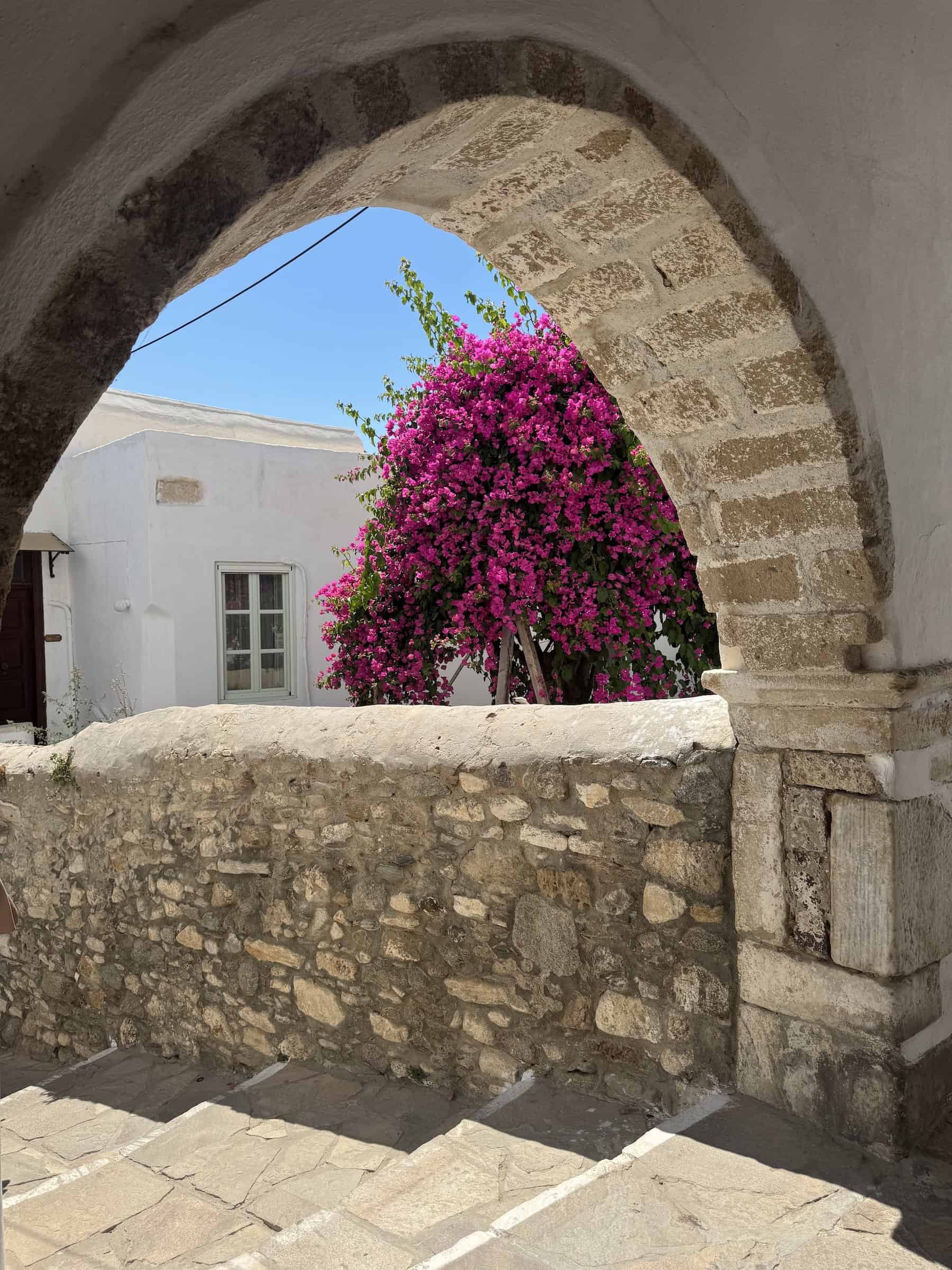
Unlike other static historical sites, the living, breathing Kastro feels more like a fortified neighborhood built into the preserved remains of a 13th-century Venetian castle—so there’s no entrance ticket or opening hours.
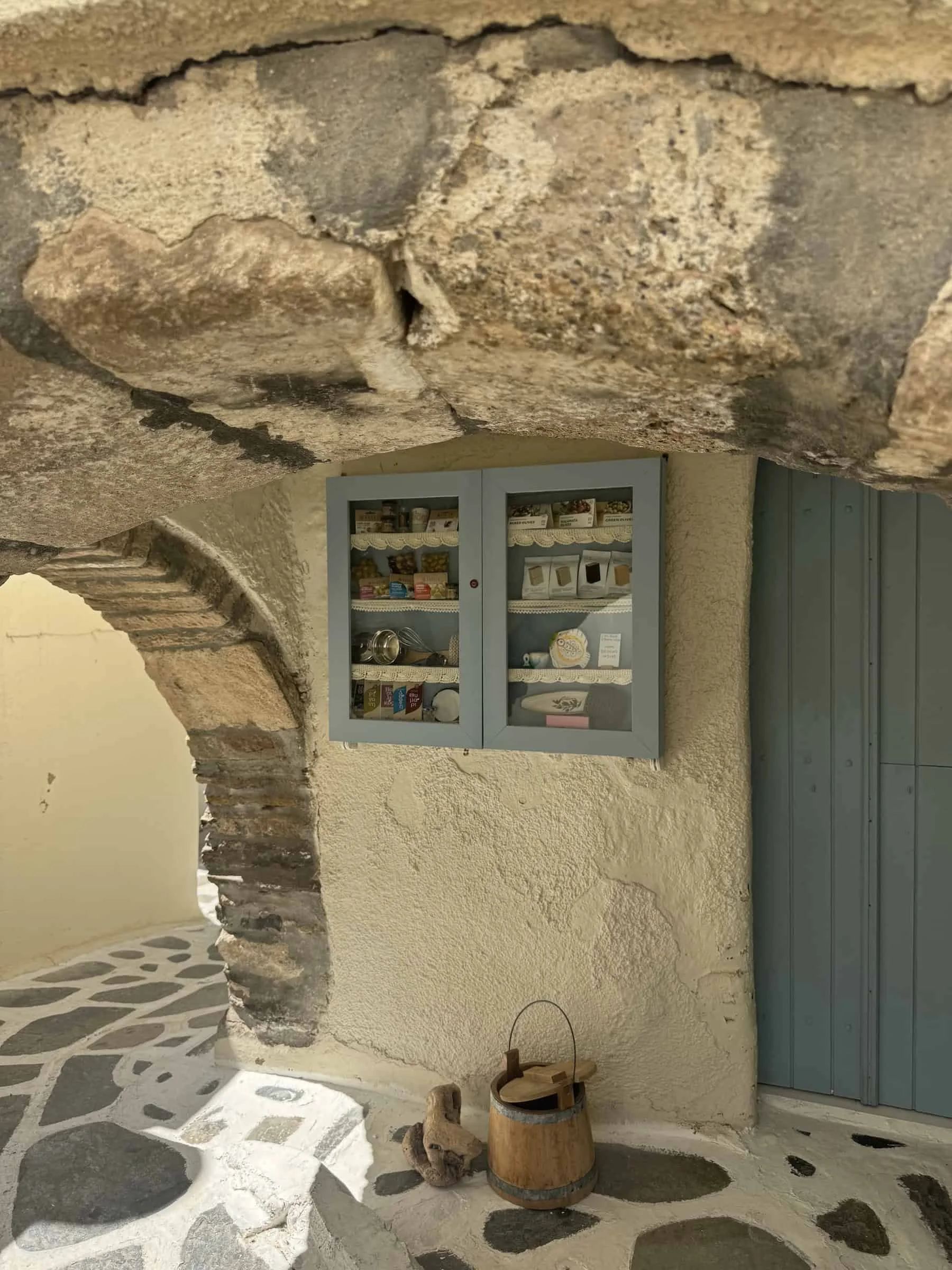
Built by Duke Markos Sanoudos in 1207 as the political center of the medieval Aegean duchy, this is one of the most important medieval sites in the Cyclades. Simply wander through Chora to discover the winding labyrinth that remains today, with modern businesses tucked into the narrow, protective passageways and stone archways that define this ancient architecture.
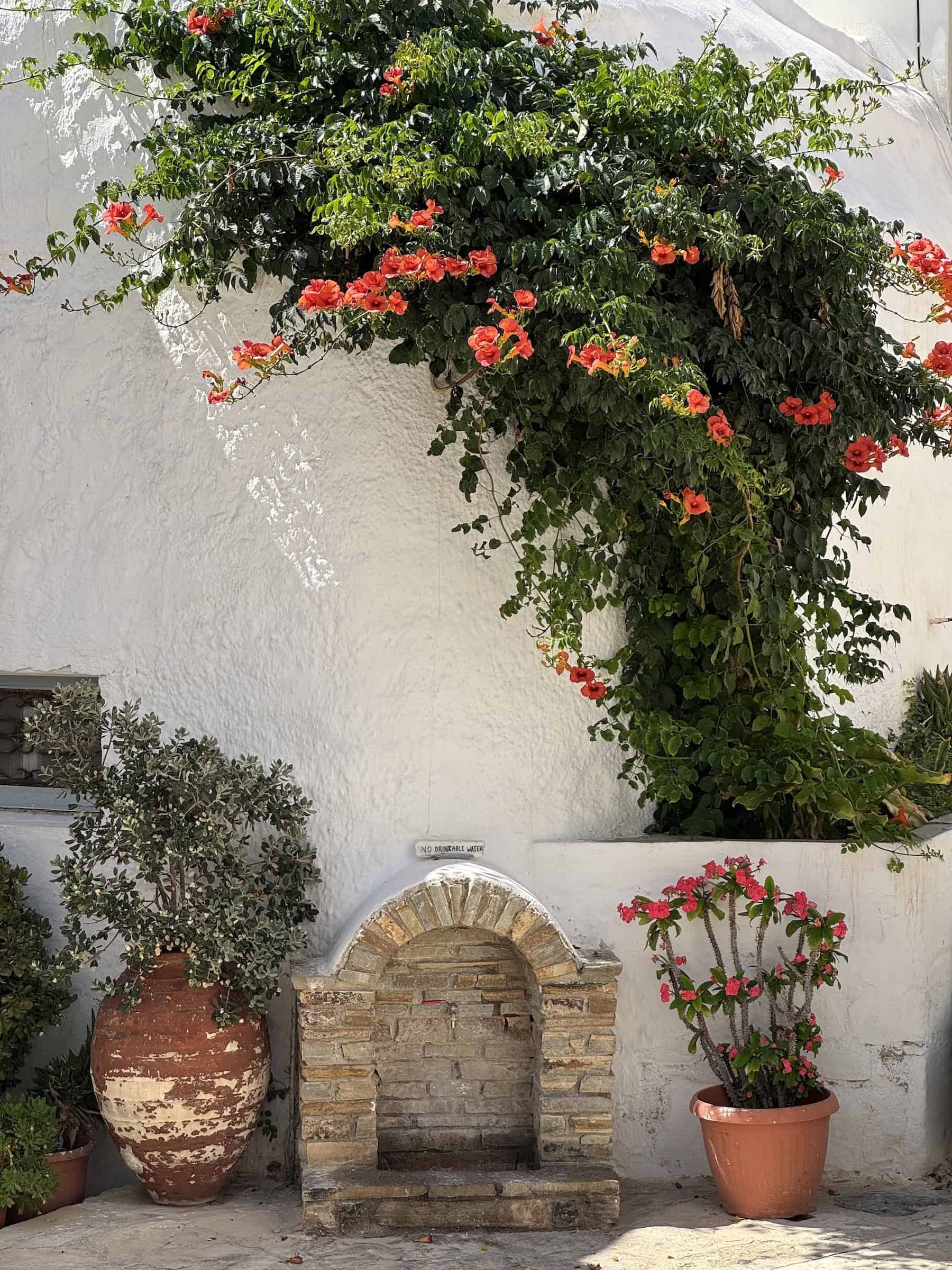
Keep an eye out for the Archaeological Museum of Naxos (official site) located inside the former Jesuit School—a Venetian palace. Open from 9:00 AM - 2:00 PM except on Tuesdays, the museum offers free admission to view Cycladic figurines, pottery, and artifacts dating back to the Bronze Age.
Snack - The Old Bakery
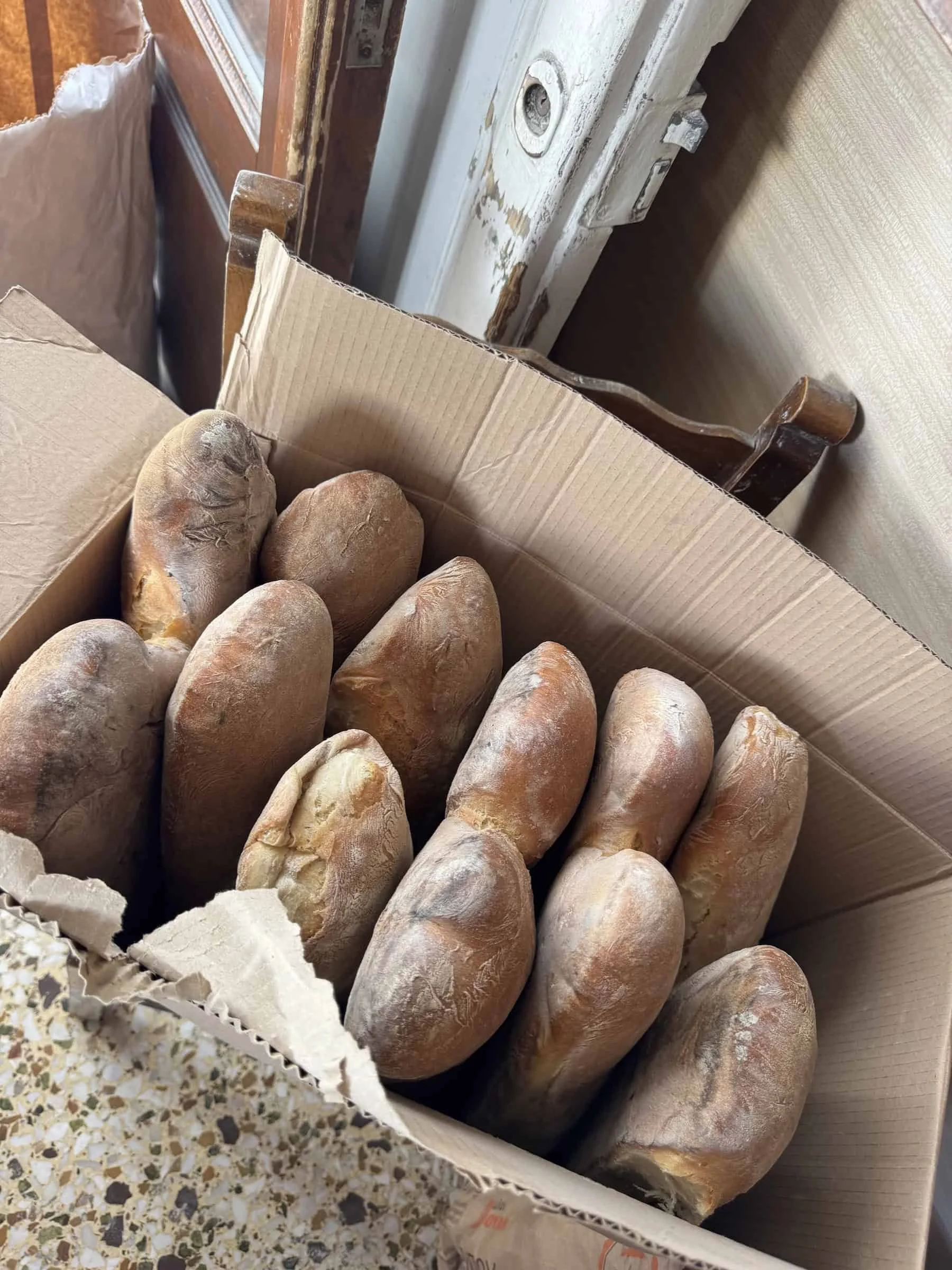
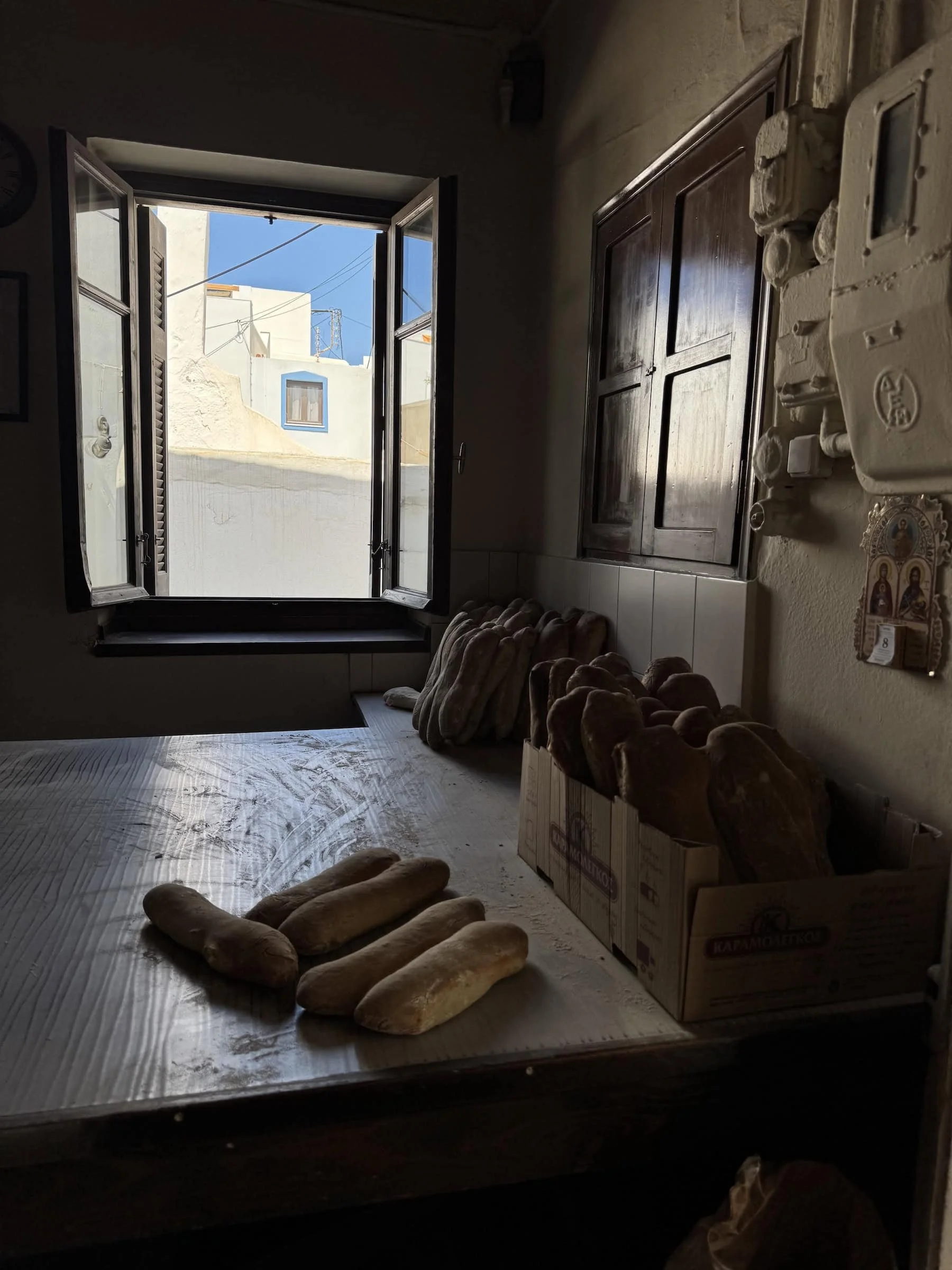
Tucked among the shaded alleyways of the Kastro, the delicious smell of freshly baked bread drifting out of a window drew me to The Old Bakery. A truly traditional shop, it’s cash-only—so bring euros to secure a loaf straight from the wood oven. Be sure to search on Google, not Apple Maps, to find the correct location.
Dinner - Nissaki Restaurant est. 1971
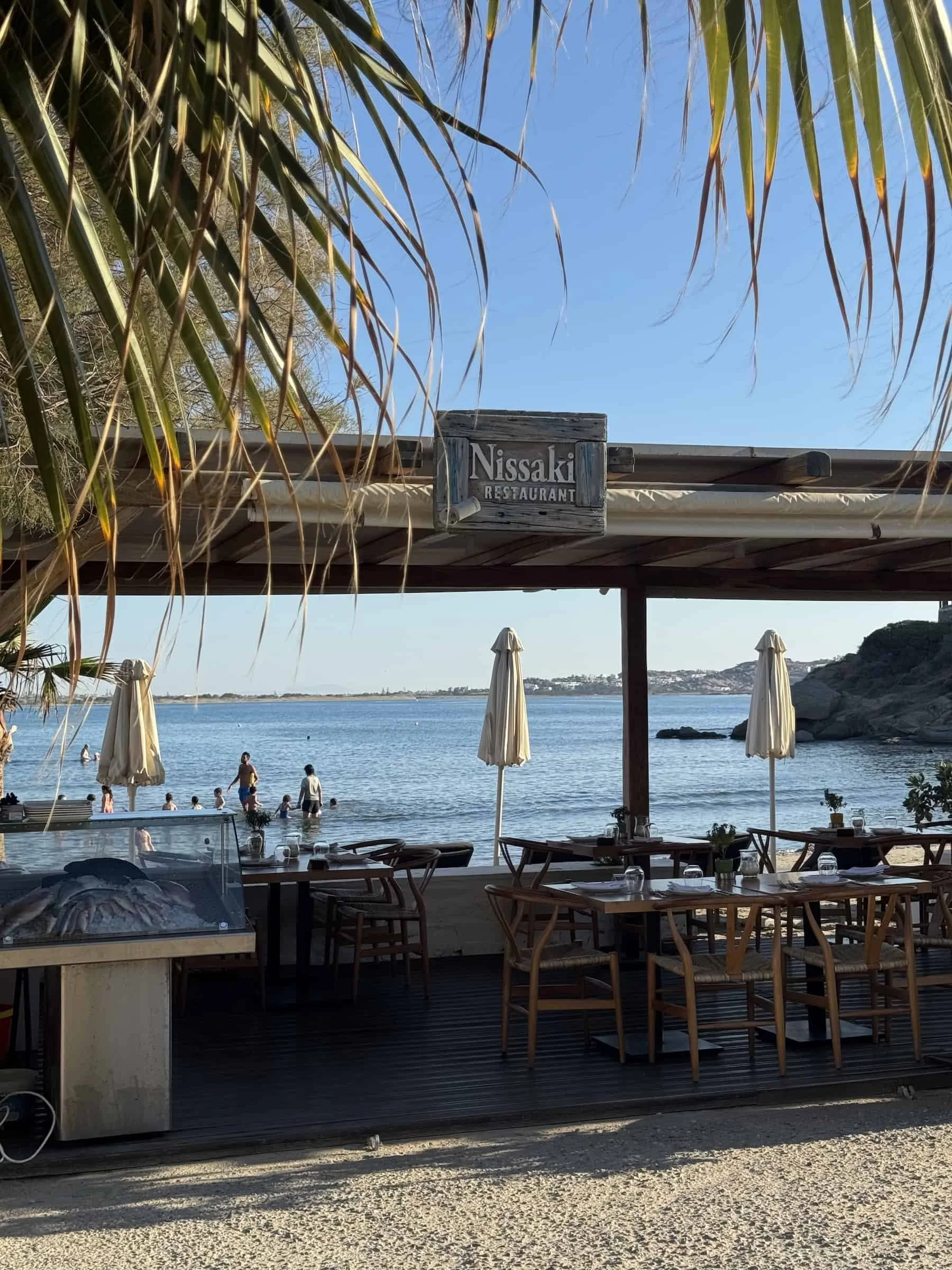
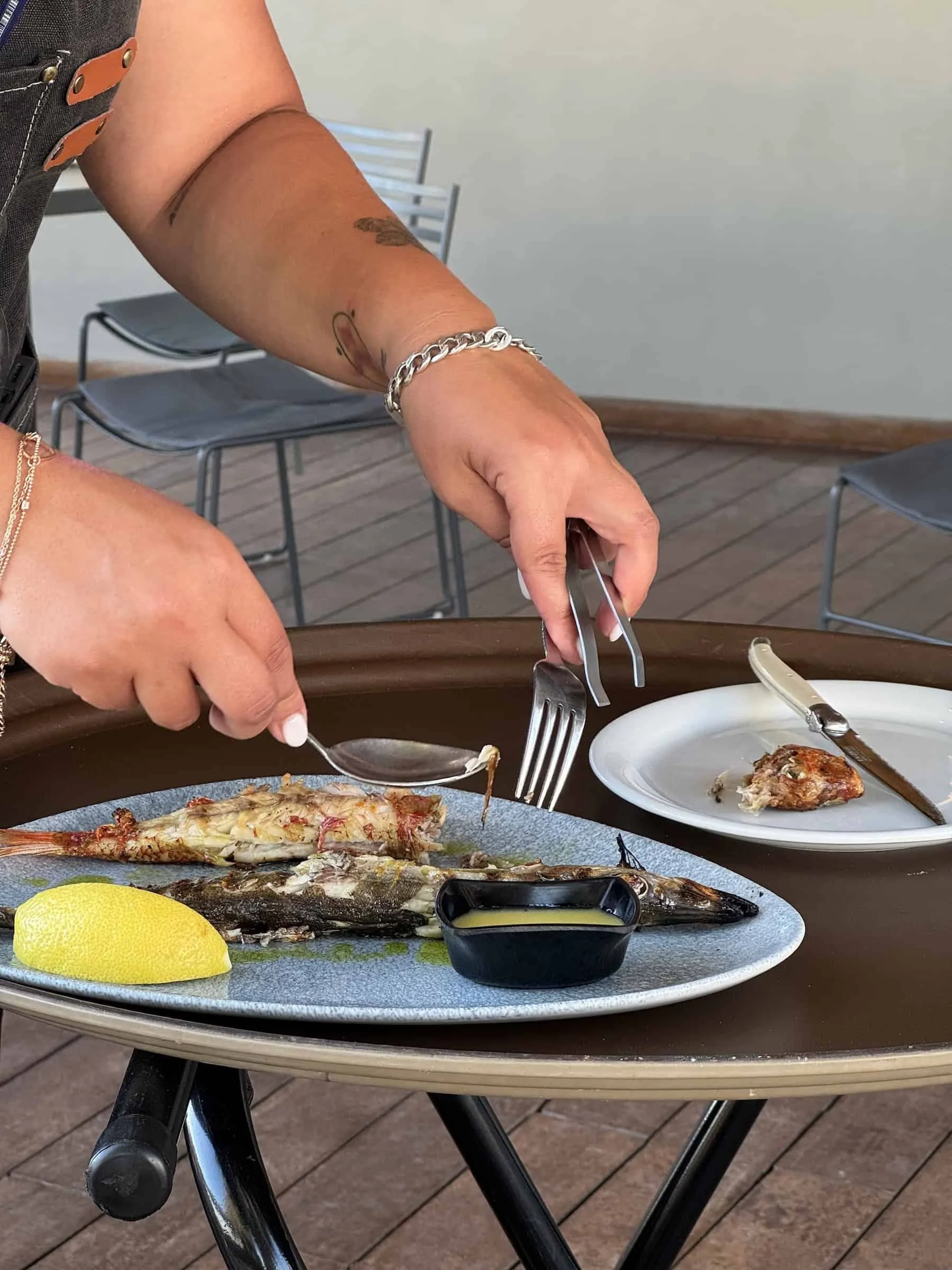
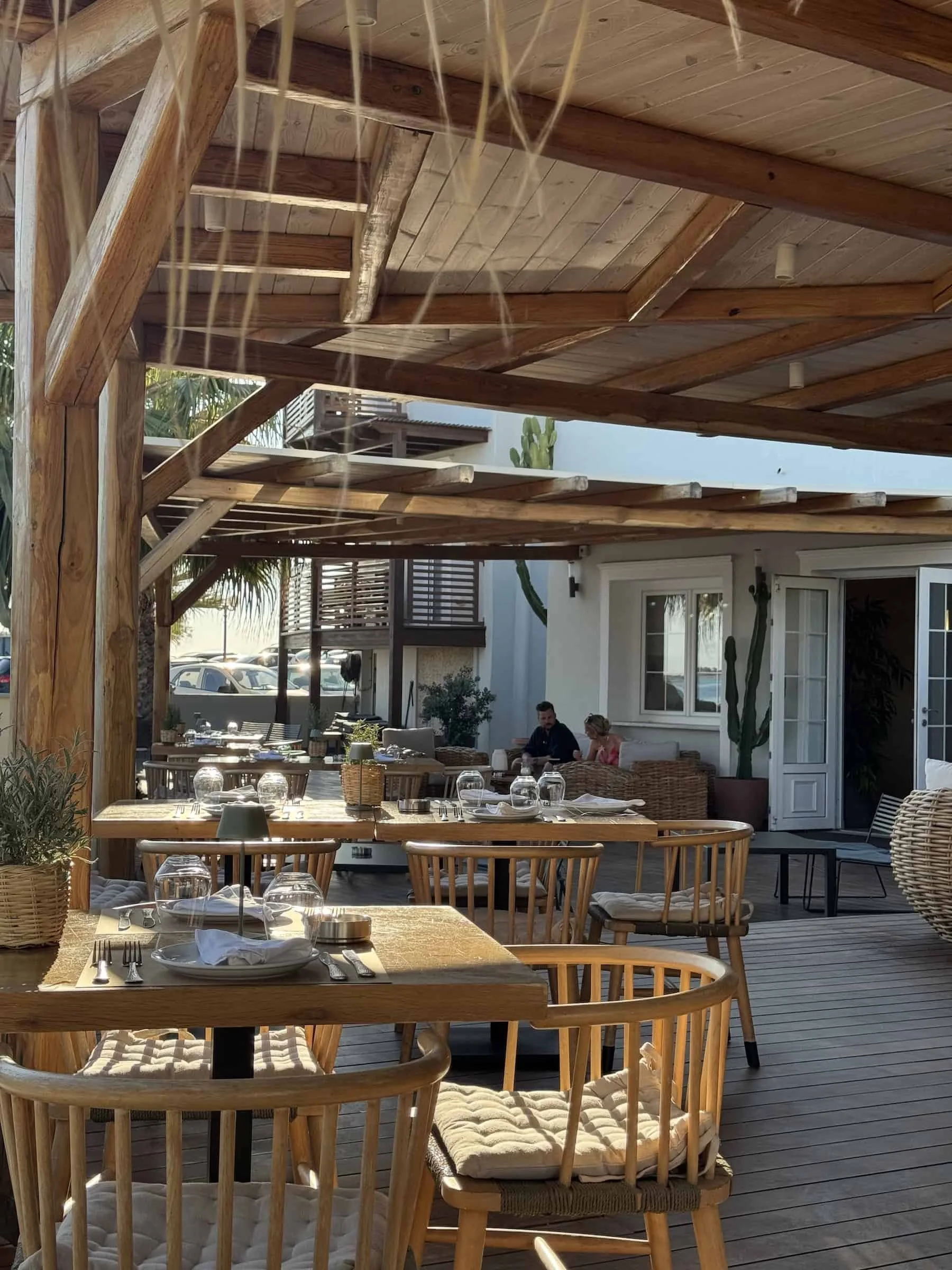
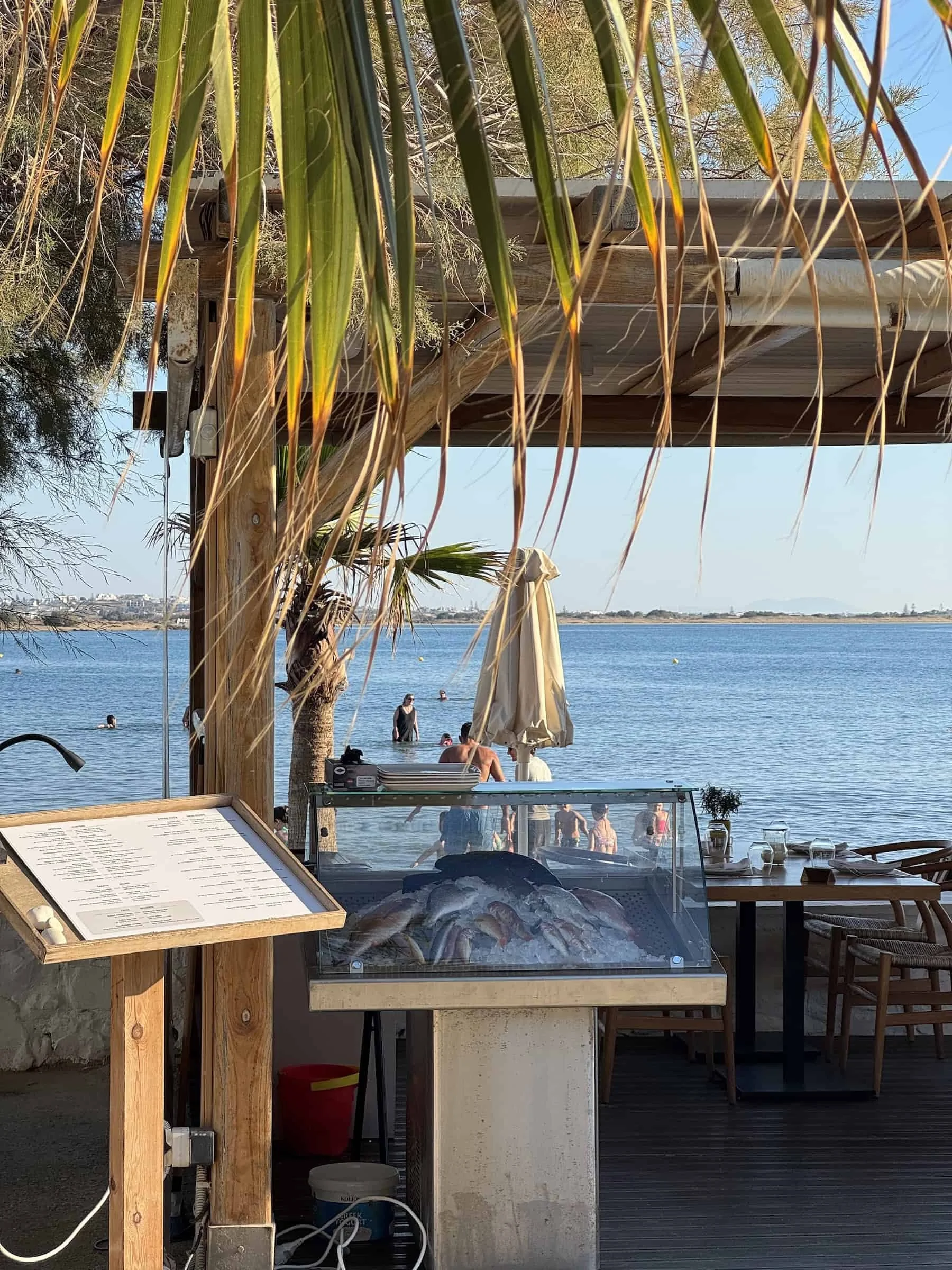
For dinner, Nissaki Restaurant—about a 10-minute walk from the Port of Naxos—has been operating on the edge of Agios Georgios Beach since 1971. The superior sea view places you mere inches from the sand, and the ocean feels even closer as the host’s check-in stand doubles as an ice box. Simply select your preferred catch from this clear case and have your fish grilled the Greek way, complete with a tableside de-boning service once the whole fish—head and tail intact—has been presented.
Temple of Apollo
Ensure your dinner reservation is early enough to give you plenty of time to catch the sunset—which is one of the most famous in Greece, second only to Santorini’s. Walk 15 minutes to the Temple of Apollo, one of the island’s defining landmarks, offering the best views of Naxos Town from the elevated Palatia islet. The sun slips directly through the large central opening of the iconic Portara, the massive 6-meter-tall marble doorway that remains from what would have been a monumental temple dedicated to Apollo. Dating back to the Archaic period of 530 BC, this striking archaeological silhouette is one of the few surviving structures from that ambitious building campaign, which ended abruptly when the ruling tyrant, Lygdamis, was overthrown.
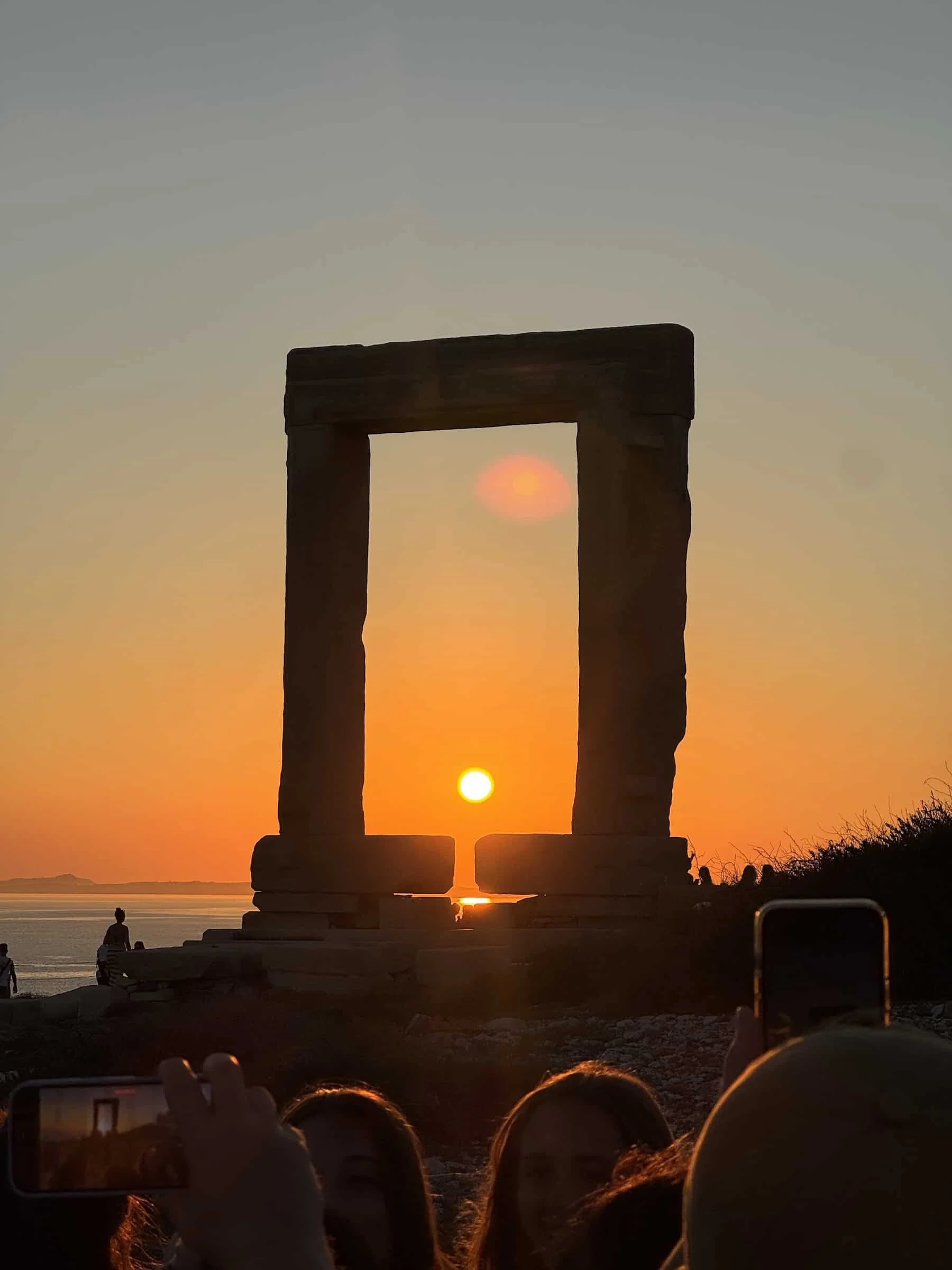
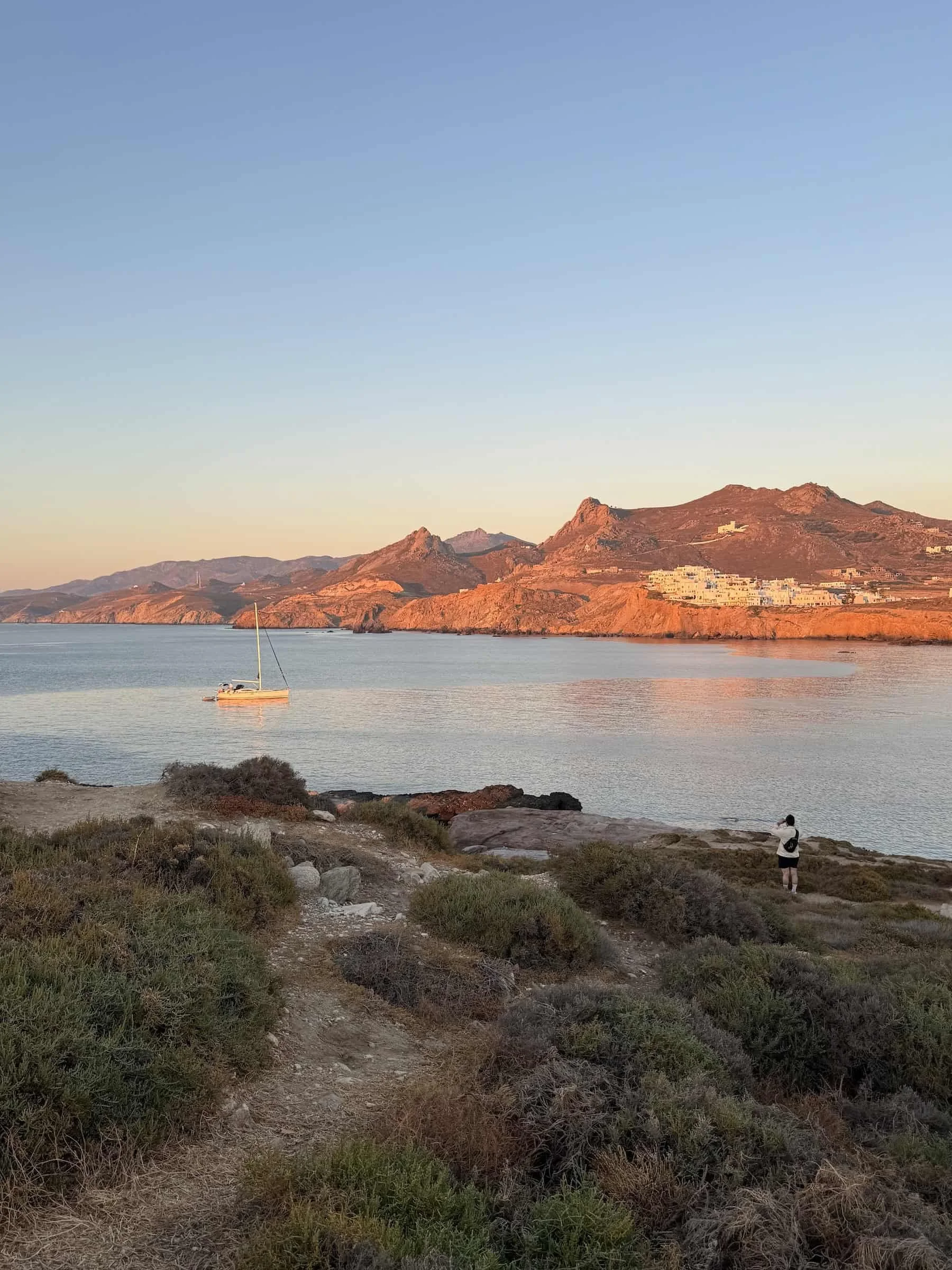
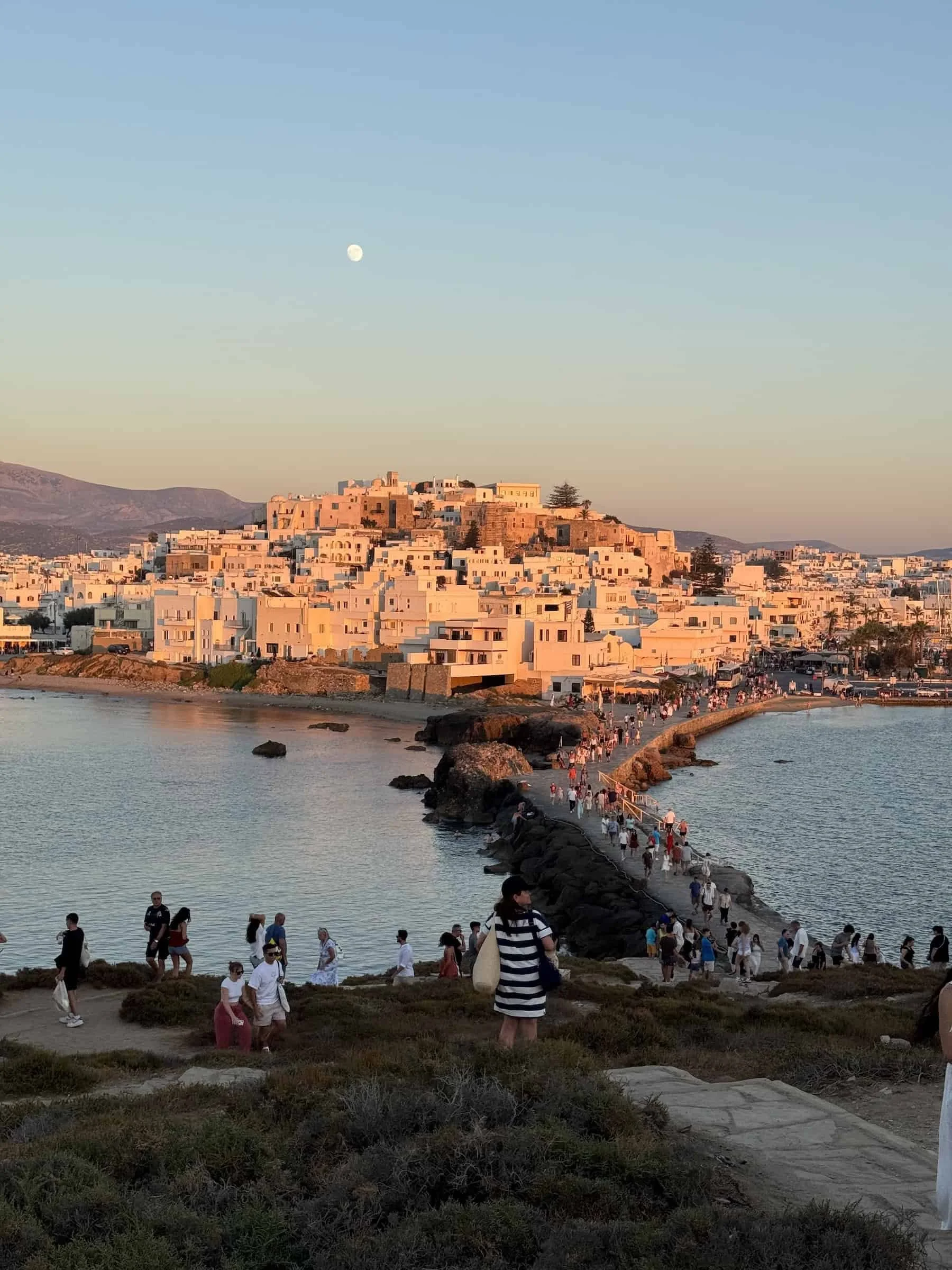
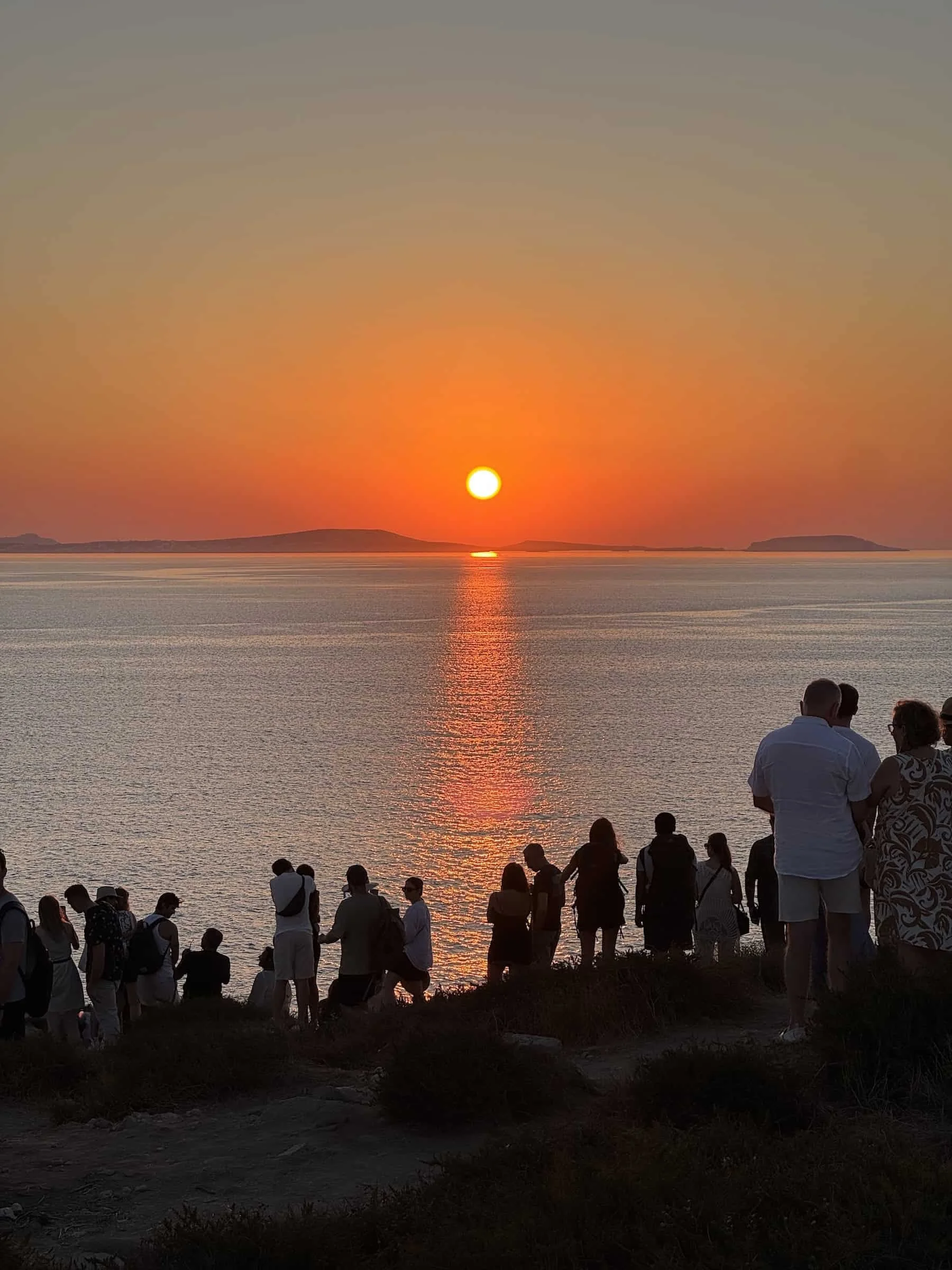
Today, locals and tourists alike flock here as the sky turns pastel. Buskers and other musicians perform along the causeway and hillside, adding to the romantic ambiance.
Drinks - Kitron
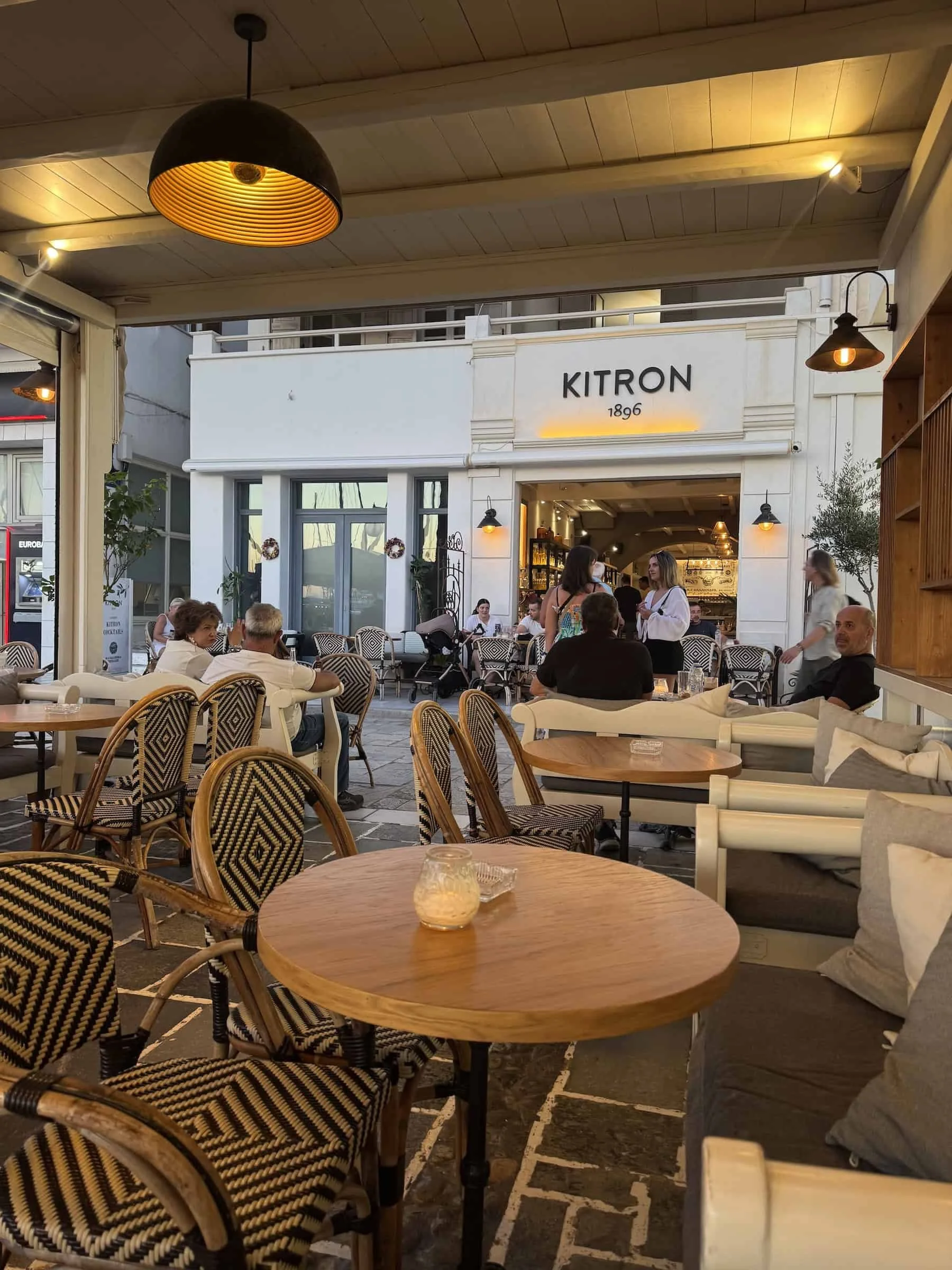
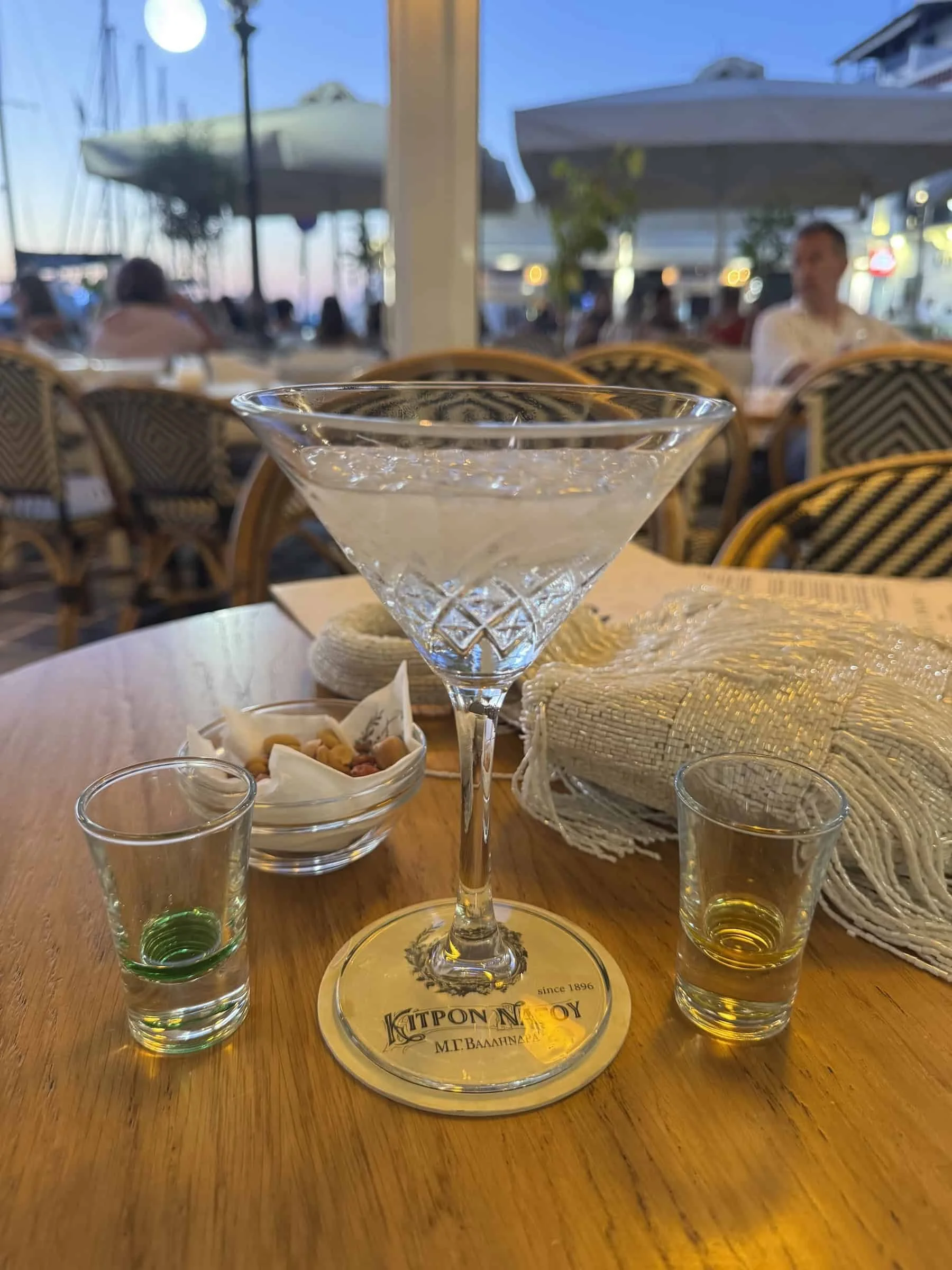
Lastly, cap off the evening with a 10-minute walk back along the harbor to taste the island’s signature alcoholic beverage at Kitron. A citrus leaf–based liqueur, kitron shares its name with the café where it’s served, both deriving from the tree leaves used to make this traditional spirit. First distilled in 1896 in the village of Chalki, it’s still made today using the same copper alembic still at the original Vallindras distillery. Kitron comes in three varieties—green, yellow, and clear—each color representing a different alcohol concentration.
Day 2
Perivoli Farm Cooking Class
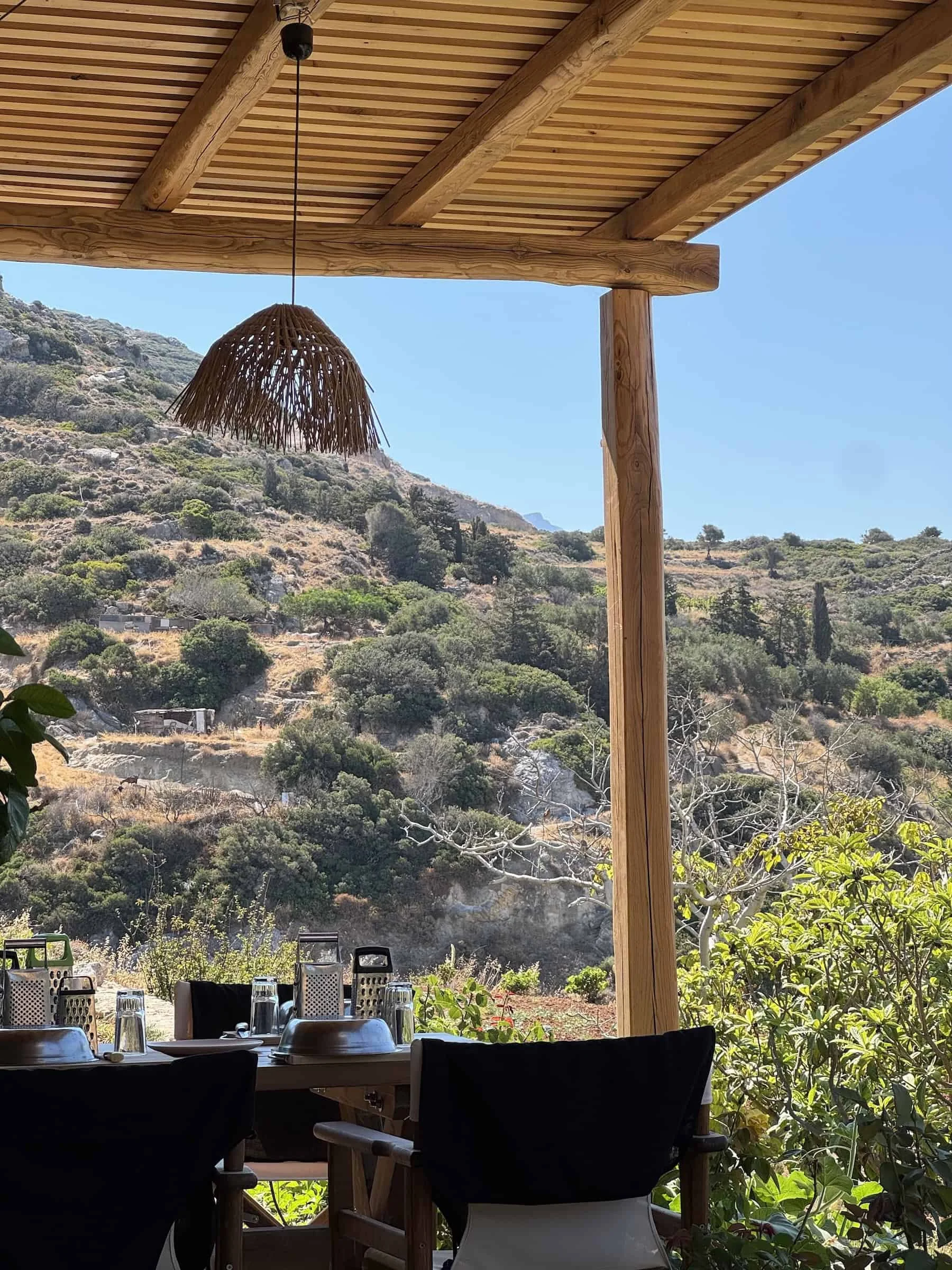
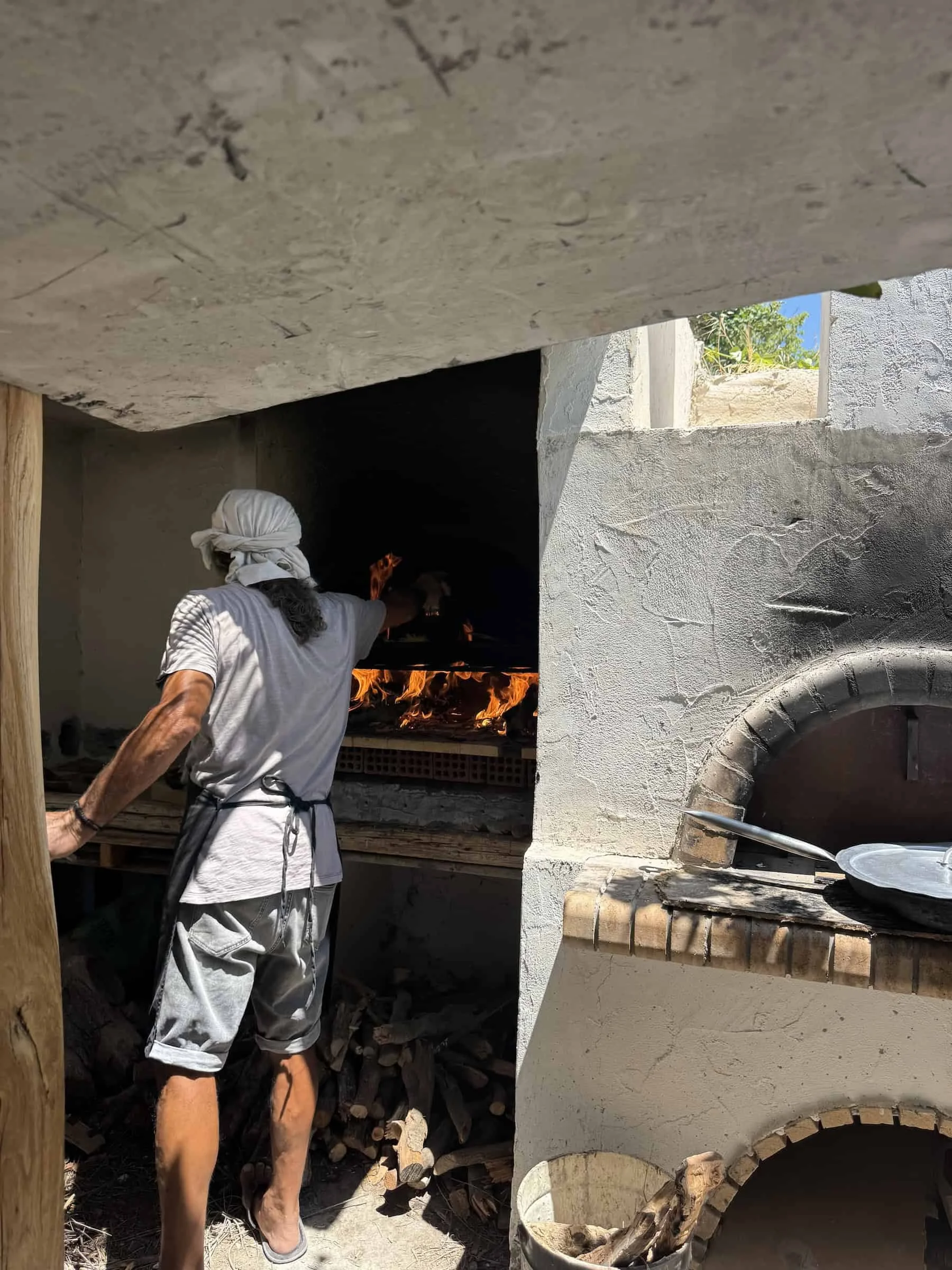
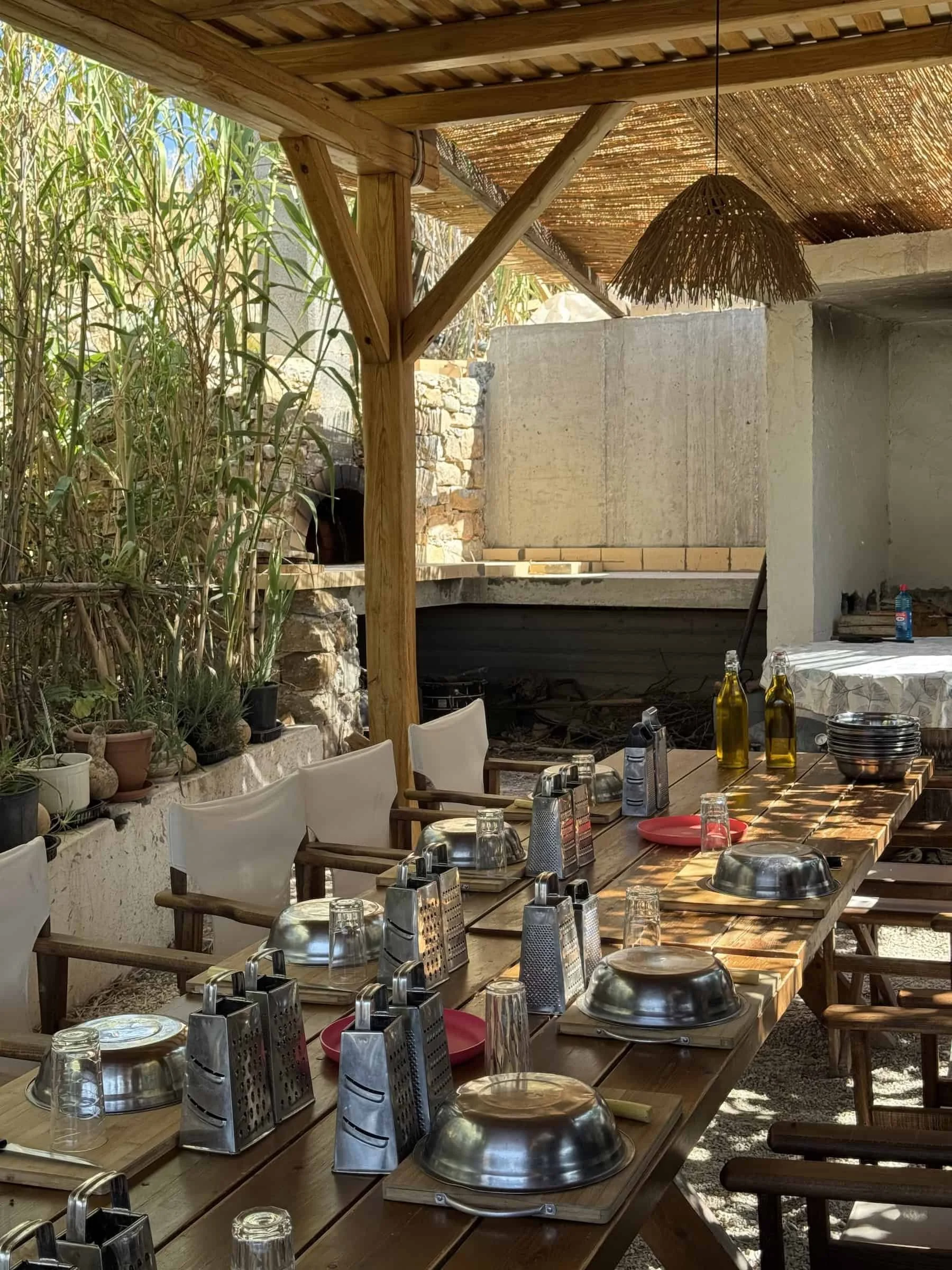
As the major agricultural island in the Cyclades, it only makes sense to experience this defining cultural feature firsthand by touring a traditional family farm. Head 10 minutes inland to Melanes to discover the Perivoli Farm & Cooking Class, where you’ll learn how to cook traditional Greek dishes over a wood fire.
Begin the 4-hour experience by walking around the farm grounds with a guide—typically a working member of the family—through the chicken coop, olive grove, fruit trees, vineyard, and past the Naxian potato fields. Alongside cheese, potatoes are the island’s namesake crop, with recognition that extends beyond the island’s coast, as they thrive particularly well here thanks to the climate and fertile soil.
Pro Tip:
Transportation is not provided, so arrange a private transfer there and back in advance. While a bus line does run infrequently to Melanes Monday through Friday, the farm is located outside the village and would require an additional 30 minutes of walking to reach.
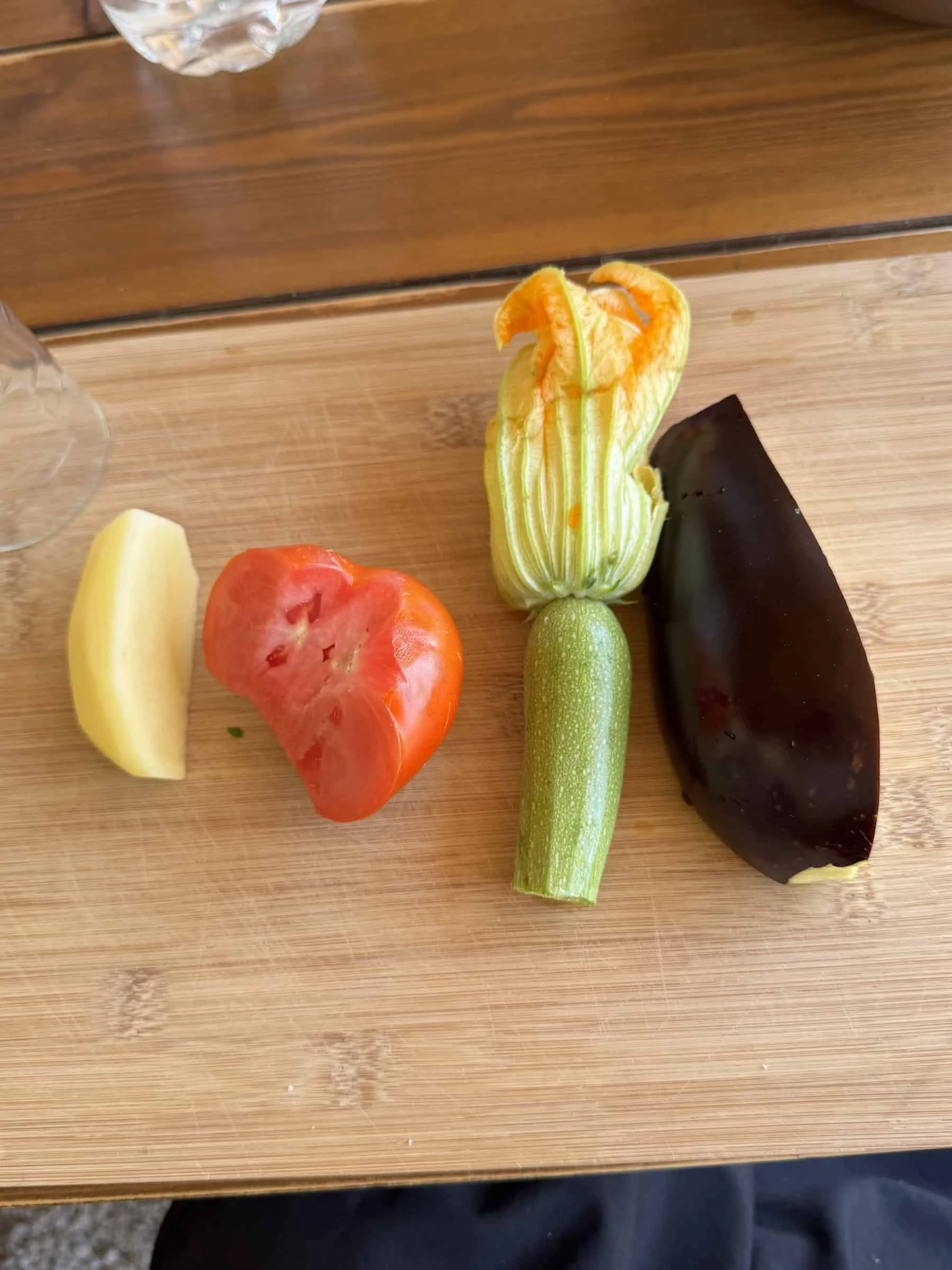
Seasonal produce growing on this small countryside farm will then be used to prepare zucchini balls, an omelet, briam, and other traditional Greek dishes in a group cooking experience. As someone who certainly cannot cook, I can attest that no prior experience is needed—whether you’re grating zucchini straight from the vegetable garden or folding thin layers of phyllo dough, the guides walk you step by step through each task. Dig into the fruits of your labor in the form of a massive lunch spread you likely won’t be able to finish, toasting “Yamas!” with a glass of local wine produced on the farm, before topping off dessert with homemade honey and sesame seeds.
Work through your food coma lying out for the rest of the afternoon at Agios Georgios Beach—this is the same golden stretch of sand you admired from Nissaki Restaurant the previous evening.
Dinner - Avaton 1739
For dinner, Avaton 1739 is an all-day café and wine bar rooftop perched atop the Ursuline Convent complex. Located at the highest point of the Venetian Castle’s stone walls, pass through the preserved interior on the way to the elevator that brings you up to the restaurant. Though not a formal ticketed museum, the convent’s display of historic teaching materials from Greece’s first private school—along with its architectural remnants and preserved corridors—offers a glimpse into 17th-century life in the Kastro quarter. The restaurant takes its name from this enclosed abbey where only women were permitted to study, which is the literal meaning of the word “avaton.”


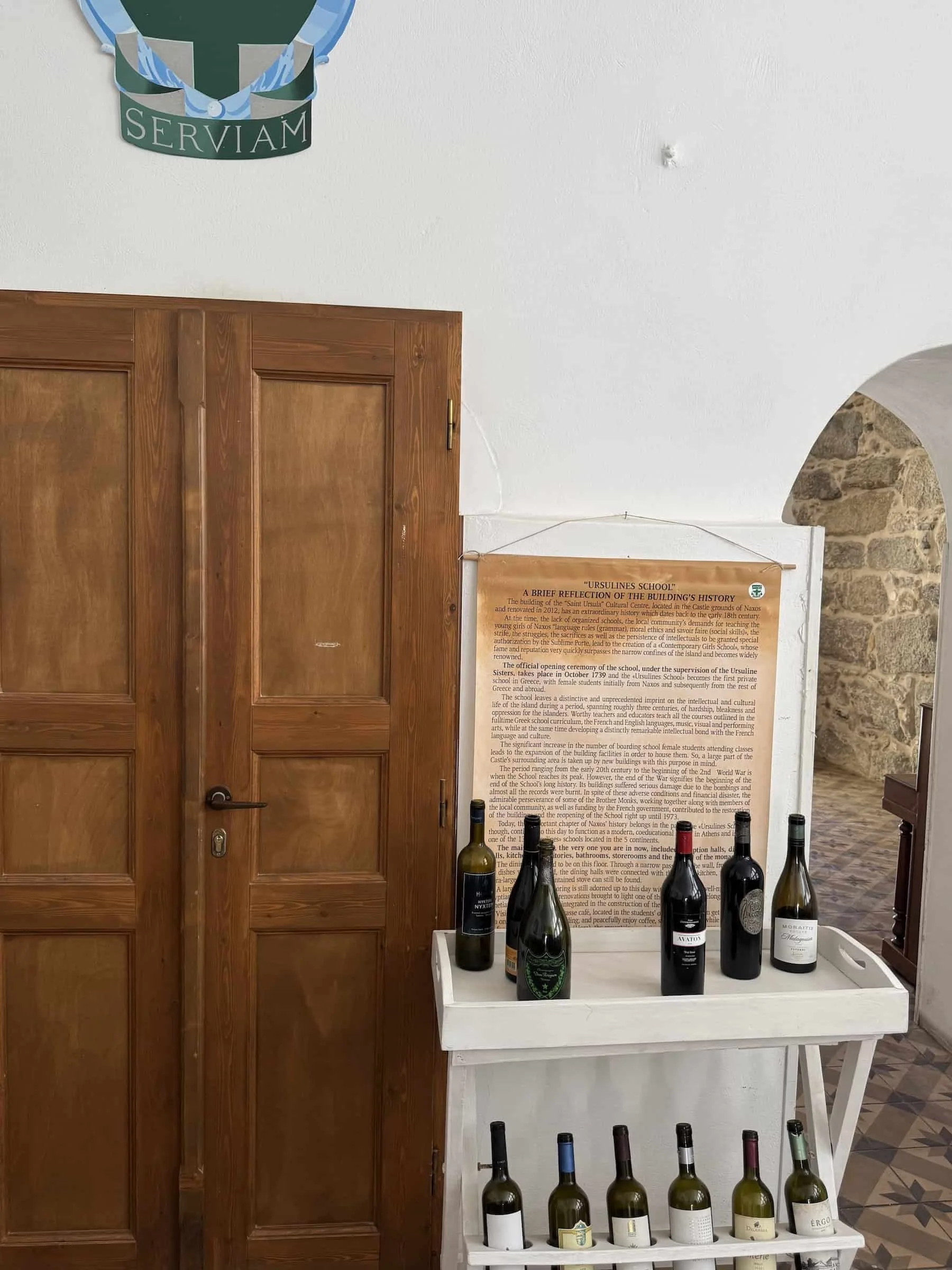
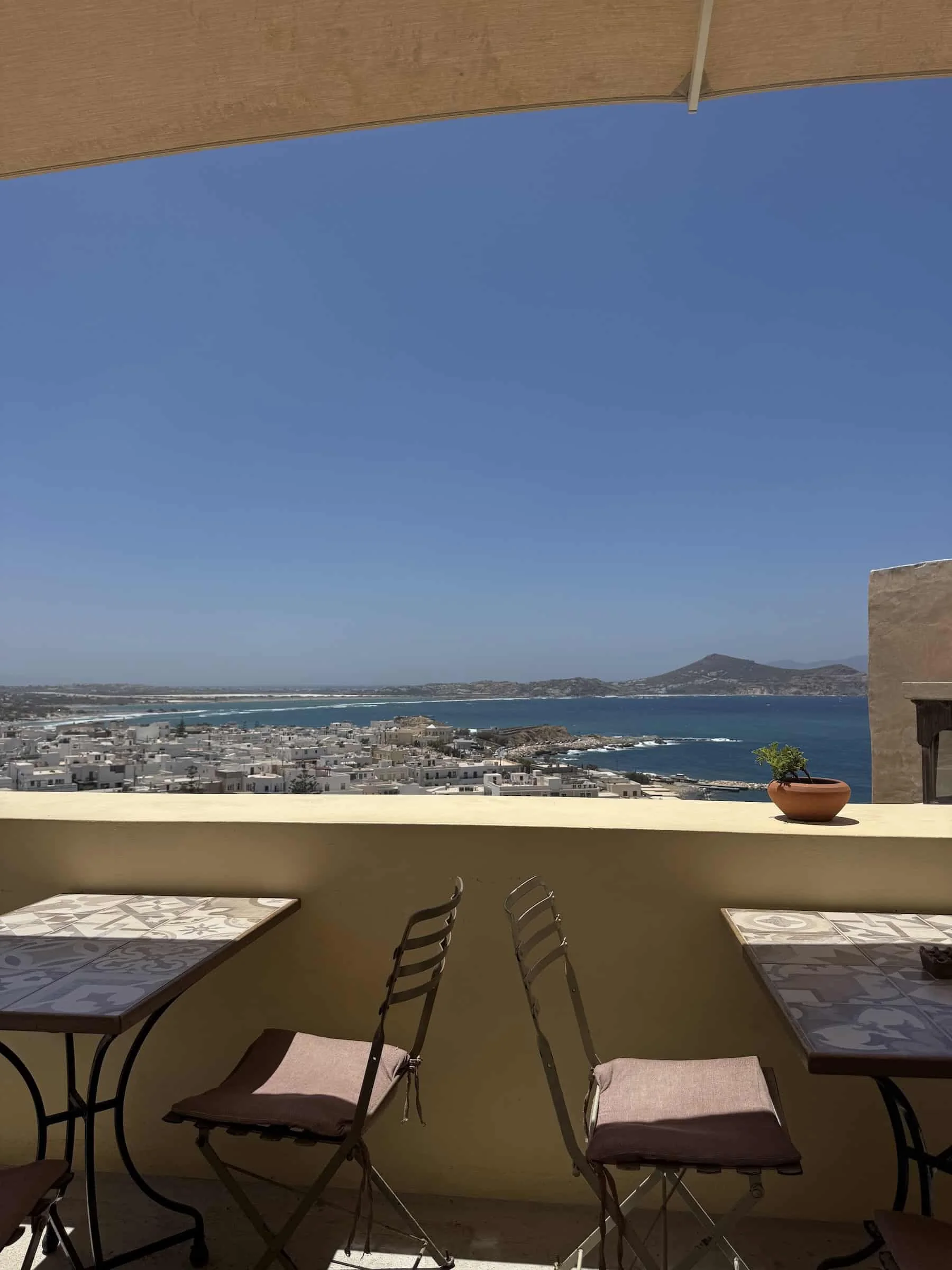
Savor the flavors of Naxos here with ingredients sourced from small-scale producers, ensuring authenticity and freshness. Immerse yourself in this agricultural island’s rich culinary heritage through traditional Naxian specialties, served in rustic earthenware casseroles that echo centuries-old dining traditions.
Dessert - Rendez-vous Cafe
Walk four minutes down toward the water to dig into the best loukoumades in Naxos at Rendez-vous Cafe. Unlike the traditional bite-sized dough balls, these full doughnut rings are deep-fried in a cart outside the café, creating the perfect light-yet-crispy texture. Chocolate and honey with cinnamon are undoubtedly the flavors to try.
How Much Does Naxos for 2 Days Cost?
Following the above Naxos Greece in 2 days itinerary, I spent $741.94 total—or $370.97 per day—as a solo female traveler on a two-month abroad stint. While I prioritized higher-cost experiences like windsurfing, this stop could have been significantly cheaper given Naxos was the most cost-effective island I visited. I noticed a clear drop in food, beverage, transportation, and accommodation prices the moment I stepped off the ferry, with many of the island’s main highlights—like watching the sun set through the Portara or wandering the medieval Kastro—being completely free to enjoy.
Food — $168.49
Activities — $305.15
Lodging — $199.65
Transportation — $68.65
While having a car would’ve expanded how much of the large island I was able to see, my time-consuming excursions ate up a significant portion of my 2 days on Naxos, making a rental car an unnecessary expense I was able to avoid. Unlike obscene taxi rates on islands like Santorini or Mykonos, cab rides to and from my booked experiences were relatively affordable—something I especially appreciated since activities like the Perivoli Farm Cooking Class aren’t accessible by public transportation anyways.
To stretch your budget even further, swap guided activities for a choose-your-own adventure exploration of Naxos. Bring your own towel to Agios Giorgios Beach and lounge completely complimentary, traverse Chora on foot, and venture to the inland villages—an itinerary addition I would have made with more time. While staying in Chora does come with higher accommodation rates than smaller settlements around the island, the convenience of being based at the central bus hub helps offset this cost through extremely affordable public transportation.
What to Wear in Naxos?
An understated Greek island, fashion in Naxos is relaxed, functional, and quietly intentional. A lowkey, lived-in style is perfect for wandering through local villages, basking on golden beaches, and lingering over casual taverna meals without feeling overdressed. Greener and more agricultural than much of the Cyclades, natural earth tones and organic textures feel grounded rather than overly themed, coastal-costumey ensembles.
Practically speaking, long, simple dresses are a smart choice as Meltemi winds lift shorter hems, while lightweight linen is essential for managing heat, reflecting the sun, and achieving the “effortless but intentional” look Naxos does best. Farm-fresh details are a playful yet rooted connection to the landscape and local culture, reflecting the island’s reputation for produce, cheese, and farming. Meanwhile, breathable pieces made from natural knits are ideal for seamless beach-to-dinner transitions—flattering without drifting into full resortwear:
Carefree Denim
cruise to the beach in easygoing denim cutoffs, the nonchalant base that grounds any outfit without feeling too styled




Olive Green
pull from the lush hillsides in dark olive tones, a subtle reference to the Greek staple found on every table




Minimalistic Maxis
less is more on this understated island, where airy maxi dresses shine as Meltemi winds sweep softly around your ankles




Natural Knits
easy and breezy by design, natural knits transition seamlessly from beach cover-ups to oceanside attire




Farm-Fresh Details
pops of produce reference Naxos’s agricultural roots while adding a playful, just-picked freshness to your look




Light Linen
opt for light linen pieces that bounce the sun back and deliver a laid-back, pulled-together look without overthinking it




When is the Best Time to Visit Naxos?
Following the natural rhythm of Cycladic life, Naxos’ beaches, tavernas, and family-run businesses open and close with the seasons. As the least crowded Greek island I visited, there’s no need to worry about avoiding the peak-season crush of tourists that overrun islands like Santorini and Mykonos in the summer. That said, your experience will still vary significantly depending on when you visit:
Spring (April–May): Naxos begins to stretch out of its winter quiet as wildflowers blanket the interior valleys and Meltemi winds gradually strengthen ahead of summer. Ferry schedules increase, and by late April most hotels, tavernas, and beach cafés have reopened. Temperatures reach the high 60s to low 70s °F (19–23 °C), making sightseeing in Chora, Apiranthos, and Halki extremely pleasant as these villages sit inland or uphill. The sea is still quite chilly for swimming and beach clubs remain calm, but nevertheless spring is one of the most scenic times to explore the greenest agricultural areas in the Cyclades.
Summer (June–August): Summer is peak season in Naxos, when the island fully comes alive. Expect highs in the 80s–90s °F (27–35 °C), consistent sunshine, and the legendary north–northwest Meltemi winds—a defining feature of Naxos—creating world-class conditions for kite and windsurfing. West-coast favorites like Agios Prokopios, Agia Anna, and Plaka Beach become the island’s social heart, while Chora’s waterfront buzzes late into the night. Crowds remain far lighter than in Santorini or Mykonos, even at peak season. However, midday parking becomes scarce and dinner reservations are highly recommended in Kastro’s tavernas and along the Chora waterfront.
Autumn (September–October): For budget travelers, early autumn is the best time to visit Naxos. The sea is at its warmest (low to mid-70s °F / 22–24 °C), daytime temperatures sit comfortably in the 70s–80s °F (22–28 °C), and the Meltemi winds soften—ideal for both beach days and mountain settlement exploration. Crowds thin significantly after early September, ferry schedules remain reliable through mid-October, and lodging prices drop. Chora stays lively without feeling crowded, and the rural villages offer an especially authentic glimpse into daily island life. If summertime energy isn’t a priority, September delivers the best balance of atmosphere, weather, and value.
Winter (November–March): Winter marks the true off-season in Naxos. Establishments close for the season, beaches empty, and many rural villages grow quiet. Ferries still operate year-round given Naxos is a major hub on the Blue Star route, and Chora remains the island’s functional center with more restaurants and shops open than elsewhere. Temperatures dip into the 50s–60s °F (10–16 °C), with occasional rain and gray skies. This period is best suited for long-term stays, remote work, or cultural immersion—not a traditional beach holiday.
There’s truly nothing better than a Cycladic summer—and on Naxos in particular, you don’t need to worry about avoiding peak season crowds. Visiting in the middle of July at the height of summer, I found tourism levels on Naxos to be quite similar to Milos in that I noticed an absence of travelers rather than an abundance. Thanks to its size and spread-out settlements, the island rarely feels claustrophobic or overrun.
Even while staying in the capital of Chora, I never encountered traffic, had no trouble hailing taxis on the fly for excursions, and found notable restaurants rarely more than half full. The only time I experienced anything resembling a crowd was during the walk to the Temple of Apollo at sunset, and even then, it enhanced the atmosphere, creating a wholesome, communal moment as everyone gathered to take in the natural wonder together.
Which Greek Islands are Near Naxos?
A trip to the Cyclades is rarely a single-stop endeavor. With ferries linking islands of every size and rhythm, island hopping becomes part of the experience—especially when traveling through a well-connected hub like Naxos. Thanks to its central location and frequent routes, Naxos pairs seamlessly with nearby islands, whether you’re adding a short side trip or building a multi-stop itinerary.
Paros — Naxos’ Closest and Most Popular Pairing (25–50 minutes)
Just west of Naxos, Paros is the island most commonly paired with it—and for good reason. With polished bougainvillea lanes like Naoussa, beach clubs tucked into sandy coves, and a slightly more cosmopolitan feel, Paros offers a natural coastal contrast to Naxos’s rural interior and slower pace. The short ferry ride makes it ideal for a split stay or easy add-on.
Koufonisia — The Small Cyclades Duo (35–40 minutes)
Southeast of Naxos, Koufonisia is one of the easiest and most rewarding ferry hops. Tiny, walkable, and defined by impossibly clear water, it’s ideal for swimming in the marble arch of Gala Beach, sunbathing on postcard-perfect Pori Beach, and slowing the overall pace after a more active stay on Naxos. A set of 2 islands, you’ll arrive on Ano Koufonisi where Chora is the main and only commercial village, with uninhabited Kato Koufonisi reachable by boat.
Iraklia — Remote and Nature-Forward (90 minutes)
The largest of the Small Cyclades, Iraklia remains sparsely populated and serene. Expect hiking trails to the stalactite and stalagmite cave of Agios Ioannis, secluded beaches like Karvounolakos, and a distinctly off-the-radar feel. Best suited for travelers leaning into slow travel and simplicity.
Donousa — Laid-Back and Bohemian (4 hours)
Northeast of Naxos, Donousa is named after Dionysus, the ancient Greek God of wine. Here travelers prioritizing authenticity over amenities are attracted to its raw coastline housing the seal habitat of Fokospilia, relaxed energy, and uncrowded beaches. It’s less polished than Paros or Koufonisia, but deeply charming for those seeking a low-frills island experience.
Delos — The Historic Day Trip (10 hours)
While Delos doesn’t connect directly to Naxos, it’s a very common day trip when pairing Naxos with Mykonos. Ferries run from Naxos to Mykonos, where visitors transfer to a short boat ride to Delos—one of Greece’s most important archaeological sites and a UNESCO World Heritage Site as the birthplace of immortal gods Apollo and Artemis. This guided excursion works best as a full-day experience rather than a rushed add-on.
Is Naxos Worth Visiting?
After visiting six Greek islands over the course of two and a half weeks, if I had to remove one stop from my itinerary, it would be Naxos. While I certainly enjoyed my time overall, it was clearly the least developed Cycladic destination I visited, which left me wanting more. Milos, by comparison, offered a similarly untouched aesthetic—one I absolutely loved—thanks to its striking coastline of coves, caves, and beaches that felt genuinely unique. It also struck a balance between local authenticity and elevated experiences, from traditional tavernas like O! Hamos! to refined dining at five-star resorts such as Makris.
On Naxos, I struggled to find that same level of refinement. Even at some of Chora’s most notable restaurants, I was generally underwhelmed by the food, and the dining scene felt less inspired overall. My experience in Chora mirrored this contrast: while exploring the Kastro was a clear highlight—its fortified architecture is distinctly Naxian and unlike anywhere else in the Cyclades—the surrounding commercial areas lacked the polish of more tourism-forward destinations and felt somewhat dated and worn.
All that critique aside, these same characteristics are exactly what make Naxos appealing to the right traveler. It’s an excellent choice for those seeking a more budget-friendly, realistic representation of Greece rather than the curated sheen of islands shaped heavily by visitor expectations. Naxos is especially well-suited for summer travelers who want to avoid peak-season crowds and prefer a slower, more local, lived-in experience—one that isn’t flashy or trying to impress.
Personally, I tend to appreciate destinations with a deliberate sense of design and a strong “it factor,” though I recognize others might see that as superficial. Ultimately, it comes down to the type of traveler. From my perspective, there isn’t anything uniquely compelling about Naxos that would draw me back, but I’m glad I spent a brief two days here at a moment when a low-key, restorative stop was exactly what I needed.
Naxos for First-Timers: FAQs
Do they speak English in Naxos?
While Greek is the official language of Greece, English is incredibly common given the language has been a compulsory school subject for decades. I never encountered a language barrier once during my 2 days in Naxos and successfully communicated with every local I encountered in the tourism industry.
What is the currency in Naxos?
As a member of the European Union, the euro is the official currency of Greece. Visa and Mastercard payments are widely accepted in Naxos, with cash helpful to have on hand for truly old-school establishments like The Old Bakery. Tipping isn’t obligatory, but rounding up the bill or leaving 5–10% for good service is a courteous gesture.
After ordering, the bill will be immediately printed and placed in a small tray on the table for your review. Upon asking to pay, the waiter will review this total and input it into a handheld card reader.
How long is the ferry from Athens to Naxos?
The ferry from Athens to Naxos takes anywhere from 3 hours and 20 minutes to 5 hours and 35 minutes depending on the ferry line and route booked. The fastest segment offered by SeaJets is nearly direct with only a brief stop in Paros, while longer hauls on Blue Star Ferries are more affordable.
What is the Temple of Apollo on Naxos?
The Temple of Apollo is an unfinished ancient site just outside Chora, with construction halted in antiquity before the full temple was completed. Today, the massive marble Portara is all that remains, drawing visitors to the peninsula for sweeping views and one of the best sunsets on Naxos.
Is Naxos or Paros better?
Between these two Cycladic options, the better choice ultimately depends on your travel style. Naxos offers a more authentic, old-Greece atmosphere, appealing to visitors seeking a local, laid-back experience—plus it’s generally more affordable than Paros. Paros, on the other hand, strikes a balance between swanky coastal spots and low-key village life in its interior, delivering a more cosmopolitan, polished feel overall.
How many days in Naxos?
As the largest island in the Cyclades, two days is the bare minimum amount of time to spend on Naxos—and even then, your experience will be largely concentrated around the capital of Chora and nearby beaches. A full week can easily be justified if your itinerary includes inland villages, mountain roads, or points of interest beyond the west coast.
What to do in Naxos in 2 days?
A 2-day Naxos itinerary is best focused around Chora, combining water sports, historic sights, and local ingredients to incorporate a variety of cultural experiences while keeping logistics simple for a short stay. On day one, take advantage of the island’s Meltemi winds with a kitesurfing lesson, followed by lunch at the port. Spend the afternoon exploring the Venetian Castle (Kastro), stop by a traditional bakery, then watch the sunset through the Portara at the Temple of Apollo. Day two is ideal for immersive local experiences, such as a farm-to-table Greek cooking class, followed by a relaxed afternoon at Agios Georgios Beach.
✺ TRAVEL TOOLS ✺
Keep a short list of my Naxos recommendations handy (Benable)
Add this Naxos map to your phone for easy navigation during your trip (Google Maps)
Prepare a farm-fresh lunch during a Group Greek Cooking Class (GetYourGuide)
✺ ABOUT ME ✺

Hi, I’m Ashley. I’m determined to see the world. All of it. Are you coming with?
While I respect the digital nomads, van life, and the hardcore backpackers—that’s just not me.
I’m convinced I can travel and keep my job.
It’ll take a lifetime, but I’m going to make it to all 195 countries before my time is up—and I’m taking you along for the ride!
✺ READ MORE ON THE BLOG ✺





![How to Drive Moonview Highway IRL: Mario Kart Japan [2025]](https://images.squarespace-cdn.com/content/v1/652732149424c20baf5e26c9/1738472940390-H4PXMWODU3MAQVIIOJ8I/IMG_1412+copy+%281%29.jpg)


![Tokyo’s Top Sites – How to Buy Shibuya Sky Tickets [2025]](https://images.squarespace-cdn.com/content/v1/652732149424c20baf5e26c9/1736655941250-HONDE4J7JOOEN5NJNNLJ/IMG_8461+copy+%281%29.JPG)