What to Do in Milos, Greece: 3 Days of Fishing Villages
LAST UPDATED: | TRAVEL DATE: | EST. READING TIME: 26 MIN
IN THIS GUIDE ✺
Where sapphire water meets secret caves and fishermen paint their pastel doors to match the sea — this 3-day Milos itinerary unfolds on the quieter side of the Cyclades. Embrace a slower pace of life along the island’s rugged rim carved by centuries of wind and fire.

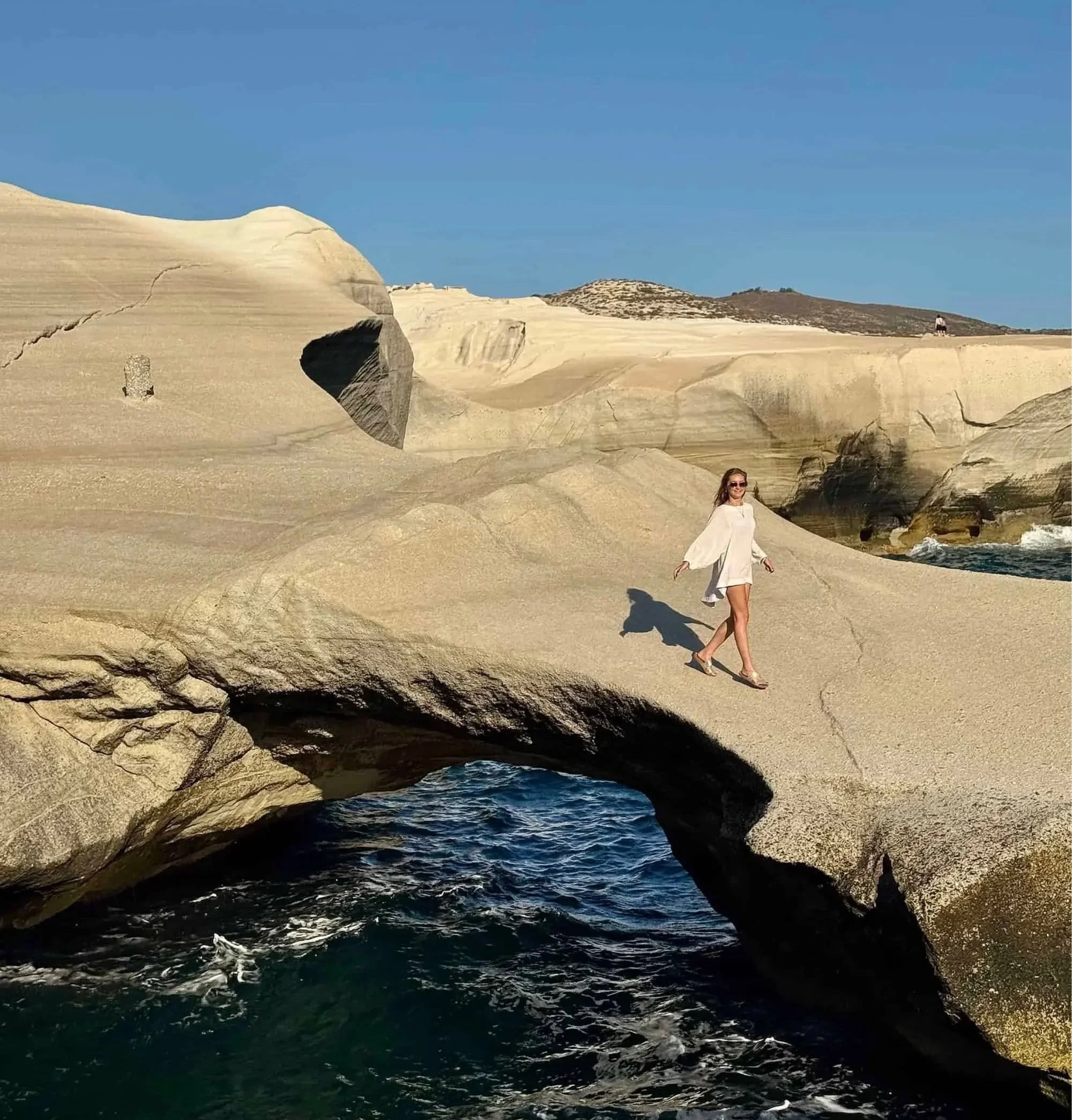
An arguably underrated Greek island, Milos doesn’t carry the notoriety of destinations like Santorini or Mykonos—and that’s a good thing. Quaint colorful fishing villages and remote rocky beaches are the antithesis of more commonly known, tourist-swarmed areas of the Cyclades; if you arrive at Sarakiniko for sunrise, you’ll feel like the only one on the moon.
It’s this peace and quiet that makes wandering the whitewashed villages of Milos so special, let alone the variety of volcanic aftermath which crafted an entirely unique landscape to explore: staggering seaside formations, secluded beach caves, cliff chutes connected by ladders—the list goes on and on for every adventure appetite.
The compact layout of the drivable eastern half means no landmark is more than 30 minutes away, so take the time to check out each beach during your 3 days in Milos—each one is different from the last!
3 Days in Milos Itinerary
In a hurry? Here’s a time-stamped overview of the detailed what to do in Milos 3 day itinerary you’ll find below:
Day 1
Plaka’s Heights and Mandrakia’s Harbor
10:00 - 10:30 AM: ☕ Sip the foam off a creamy freddo cap with an ocean view on the Mosaic roof (30 min)
10:30 - 11:00 AM: 🏰 Climb up to the Venetian Castle to snap a panoramic picture over Milos (1 hr)
11:00 - 11:45 AM: 🍉 Dig into a traditional Greek pastry baked granny’s way at Cafe Palaios (45 min)
11:45 AM - 1:00 PM: 🎨 Shop for handmade souvenirs around the picturesque Plaka art studios (1 hr 15 min)
1:00 - 2:00 PM: 🐙 Taste a freshly-caught octopus tentacle straight off the line at Medusa (1 hr)
2:00 - 4:00 PM: 🚤 Lounge on the colorful boat sheds of Mandrakia listening to waves lap at the cove (2 hr)
7:00 - 9:00 PM: ⭐ Savor golden hour with an equally shining plate from the Michelin chef at Makris (2 hr)
Day 2
From Lunar Shores to Seaside Coves
6:30 - 8:30 AM: 🌙 Experience golden hour on the moon during sunrise on Sarakiniko Beach (2 hr)
8:45 - 9:45 AM: 🎣 Wind down mountain roads to relax in the tiniest fishing village of Firopotamos (1 hr)
10:05 AM - 12:00 PM: 🌈 Stroll and shop around the colorful waterfront syrmata of Klima (1 hr 55 min)
12:20 - 2:00 PM: 🪨 Climb down the cliffside to the secluded beach cove of Papafragas Caves (1 hr 40 min)
2:20 - 3:50 PM: 🐟 Head to the south side of the island for a fresh fish lunch at Muses (1 hr 30 min)
Day 3
Caves, Cliffs, & the Volcanic South
8:30 - 10:00 AM: 🪜 Descend two rickety wooden ladders to reach Tsigrado Beach if you dare (1 hr 30 min)
10:00 - 11:00 AM: ⛱️ Lounge on Fyriplaka Beach, or use this opportunity to boat over to Tsigrado (1 hr)
11:10 AM - 1:20 PM: 🏝️ Relax on the soft golden sand of Provatas Beach to cap off the morning (2 hr 10 min)
1:30 - 5:30 PM: ☠️ Explore Gerontas Beach and the pirate caves of Kleftiko on a half-day boat tour (4 hr)
6:00 - 8:00 PM: 🌋 Dig into fine dining cooked under the hot sand at Sirocco Volcanic Restaurant (2 hr)
Click the star next to the title of this interactive map featuring all the stops detailed in the 3-day Milos itinerary above to add it to your Google account for easy navigation during your trip!
Where is Milos?
A lesser-known Cycladic gem, rugged Milos lies in the southwest outskirts of this island group—its western edge meets the open Aegean Sea, stretching unobstructed toward the Peloponnese coast. With just over 5,000 permanent residents, this volcanic island neighbors Sifnos and Serifos to the north and petite Kimolos to the northeast, linked by a 55-minute ferry ride. Its more remote position on the periphery makes this tranquil escape feel less crowded than central hubs like Paros and Naxos, yet regular ferry routes make Milos an easy addition to any Greek island itinerary.
Shaped like a natural horseshoe, Milos’s western half remains largely untamed, with no vehicle access permitted. Exposed to the full force of the Meltemi— strong, dry northerly winds that sweep across the Aegean each summer—unobstructed breezes enter Adamas Bay and are funneled through the curved interior to the northwest. Beaches like Sarakiniko are particularly breezy as a result while the southern coast remains relatively sheltered. These seasonal winds lend Milos its crisp, crystal-clear skies and refreshing dryness, tempering the summer heat even as they occasionally disrupt ferry schedules and boat tours on especially blustery days.
How to Get to Milos From Athens?
FLY: Milos is served by a tiny airport with direct, 45 minute flights into MLO from Athens (ATH). I found flying to be the most convenient way to quickly reach the Cyclades, from where I then used the robust ferry system to hop from one island to the next. The bare-bones airport is no more than a single low-rise building, with one departure gate, a few check-in desks, and a small kiosk selling drinks and snacks. Located towards the south side of the island with no points of interest nearby, a taxi or transfer is required to reach your accommodations.

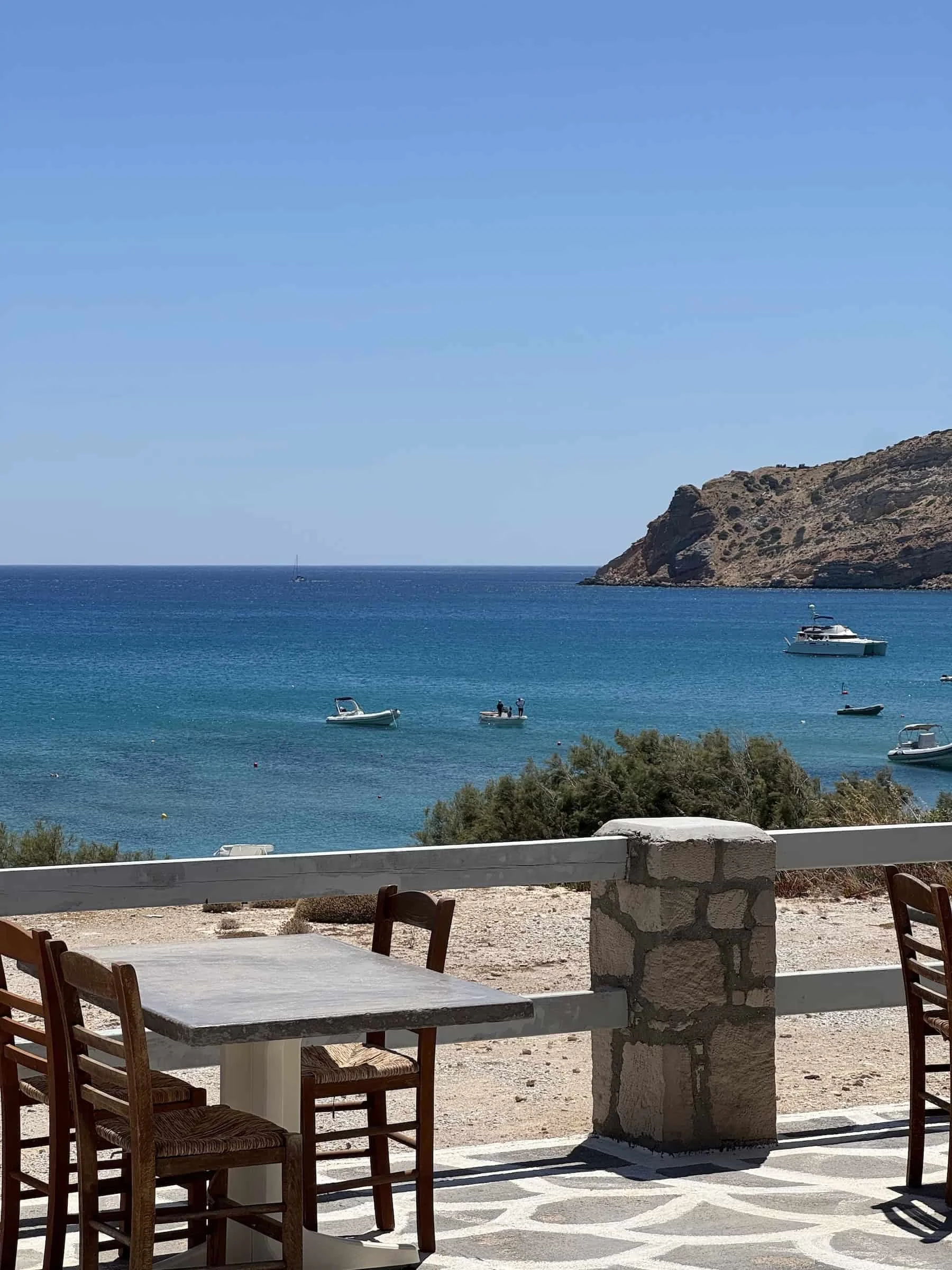
FERRY: Taking the ferry from Athens to Milos is an altogether more time-consuming pursuit, with the quickest SeaJets lines running a 3 hour and 20 minute route while the slowest Aegean Sea Lines option takes 7 hours and 25 minutes. Find connections from any of the other Cycladic stops on FerryHopper, which offers live schedule updates and ferry tracking. All ferries dock in the Adamas port area, which is conveniently located near northwest Milos highlights like Plaka, Klima, and Mandrakia.
As with all transit by ferry, time is saved upon arrival given that no check-in or security process is enforced as is standard with airport travel—simply walk up to the port, locate which corridor corresponds with your vessel, and board alongside other guests once the back door comes down. Ensure you’ve checked into the trip and have a QR code to present to the conductor before boarding, then place your luggage either in the cargo hold alongside boarding vehicles or in the passenger lounge—carry-ons and personal items can fit in either. Locate your seat with odd and even numbers typically split into separate sides; staff can help guide you to the correct location. Enjoy the amenities which typically include outlets, tray tables, and a full-service café before heading back down to the cargo hold once your intended destination is announced over the speakers.
How to Get Around Milos?
WALK: Unlike compact cities, it’d be a fool’s errand to attempt to walk around any of the Cycladic islands. The highlights are far too dispersed to justify traveling all that way just to remain in the town closest to the ferry port. That said, many whitewashed settlements are built around narrow lanes that cars can’t access. Plaka is one such village on Milos that is best traversed on foot, once you park your vehicle in a free lot on the edge of town.
PUBLIC TRANSIT: The Greek islands, including Milos, are connected by a network of KTEL buses (official site), with one-way tickets costing €2. These tickets are purchased using cash at physical stands adjacent to bus stops, with employees inside often able to provide guidance if you have questions about a particular route.
On Milos, the main bus terminal is in the central Adamas village, where ferries also arrive. Routes depart from this hub in a spoke-and-wheel model, with all lines beginning or ending in Adamas. While this is the cheapest method of transportation on Milos, you’ll be limited to stops on the timetable—Klima, Mandrakia, Firopotamos, and Papafragas Caves detailed in this itinerary are notably missing from the bus routes. Additionally, much of the charm of these quaint fishermen hamlets comes from experiencing them quietly; disembarking alongside all the other bus passengers at the same time means you’re unlikely to experience this magic.
TAXI: Only 15 taxis operate on the entire island of Milos, serving high-traffic areas including the airport and Adamas port. I would not rely on this transit method if possible, as I saw a multitude of passengers from my flight attempting to call a car to no avail—some couldn’t even secure a reliable cellphone signal by the airport to make the call.
DRIVE: I would highly recommend renting a car on Milos, as this method of transportation allows you to experience the best of the island at your own pace. ATV and buggy rentals are quite common as well, however I appreciated the shade, air-conditioning, and safety provided by a completely enclosed vehicle after spending the whole day under the sun. While Milos is horseshoe-shaped, the rugged western half is roadless, so the “drivable” eastern half feels compact and efficient. Assuming you group your northern and southern stops into a geographically logical itinerary, no landmark will be more than 20 minutes away.
The roads on Milos are generally flat and quite easy to traverse—whether they are paved, gravel, or sand. Winding down rocky cliffs to remote coves like Firopotamos and Klima pose the biggest challenge, in that you may lose cell service and find yourself slowing down around tight, one-way mountain turns. Nevertheless, I found it to be completely manageable considering this was my first international driving experience, with all listed destinations in this 3 day Milos itinerary including a flat, free parking lot next door—no paid meters here! When it comes time to refuel your vehicle before returning it, attendants at the station will pump gas for you.
Pro Tip:
While I was never explicitly asked for it when picking up rental cars, it’s prudent to obtain an International Driving Permit (official site) from your local AAA office before leaving home.
Where to Stay in Milos?
Ignoring the uninhabited western side of the island, Milos can generally be divided into north and south regions when it comes to the highlights worthy of your itinerary. If you plan to remain in the same accommodation for the entirety of your trip, aim for a northern stay given the majority of landmarks and restaurants are located along this half of the island. The top villages to consider within this region include:
Plaka is the go-to sunset spot, with cozy tavernas and rooftop terraces offering panoramic views from its hillside location. This is the most quintessential Greek town oozing with Cycladic charm, so if you’re dreaming of postcard-perfect white homes covered in bougainvillea, this is the village for you. As an inland location, staying in Plaka is more about the aesthetic atmosphere than swimming.
The bustling port town of Adamas is practical if you’re arriving by ferry and rely on the bus system to get around. While not as charming as the colorful fishing villages, Adamas is the largest, most functional settlement and thus ideal for budget travelers seeking reasonably priced stays.
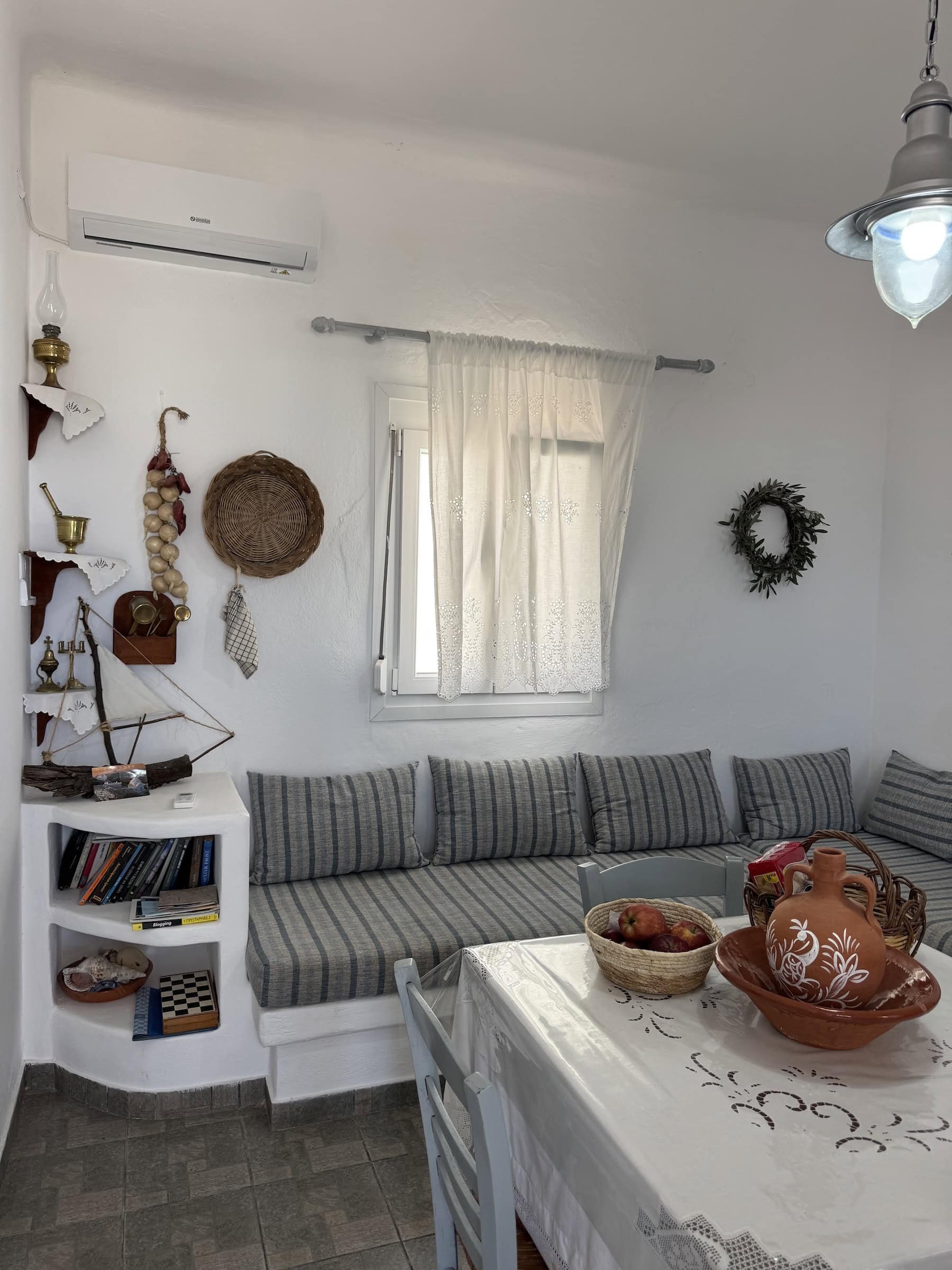
If time by the sea is your priority, I cannot recommend Mandrakia enough—I stayed at the sailor-themed Mandrakia house and adored the close proximity to this fishing hamlet. A car is certainly required for this stay given no bus routes stop there and Medusa is the only restaurant around, but these trade-offs are offset by the ability to wander down to the colorful boat sheds at odd hours when hardly anyone else is around. Centrally located amongst the top highlights on the northern half of the island, this is the perfect picturesque stay.
Avoid staying in Klima, it’s generally out of the way of other Milos attractions and offers sub-par swimming with a thin stretch of sand exposed to the open ocean—and thus seaweed and rogue ferry waves—unlike the secluded coves of most other pristine beaches on the island.
For an extended stay—or if you’re willing to switch accommodations mid-trip—it can be convenient to spend at least one night on the south side for increased proximity to the best beaches there. This region is much less developed, with gas stations, restaurants, and any general infrastructure few and far between—meaning you typically have to return to Adamas as the closest area with these amenities.
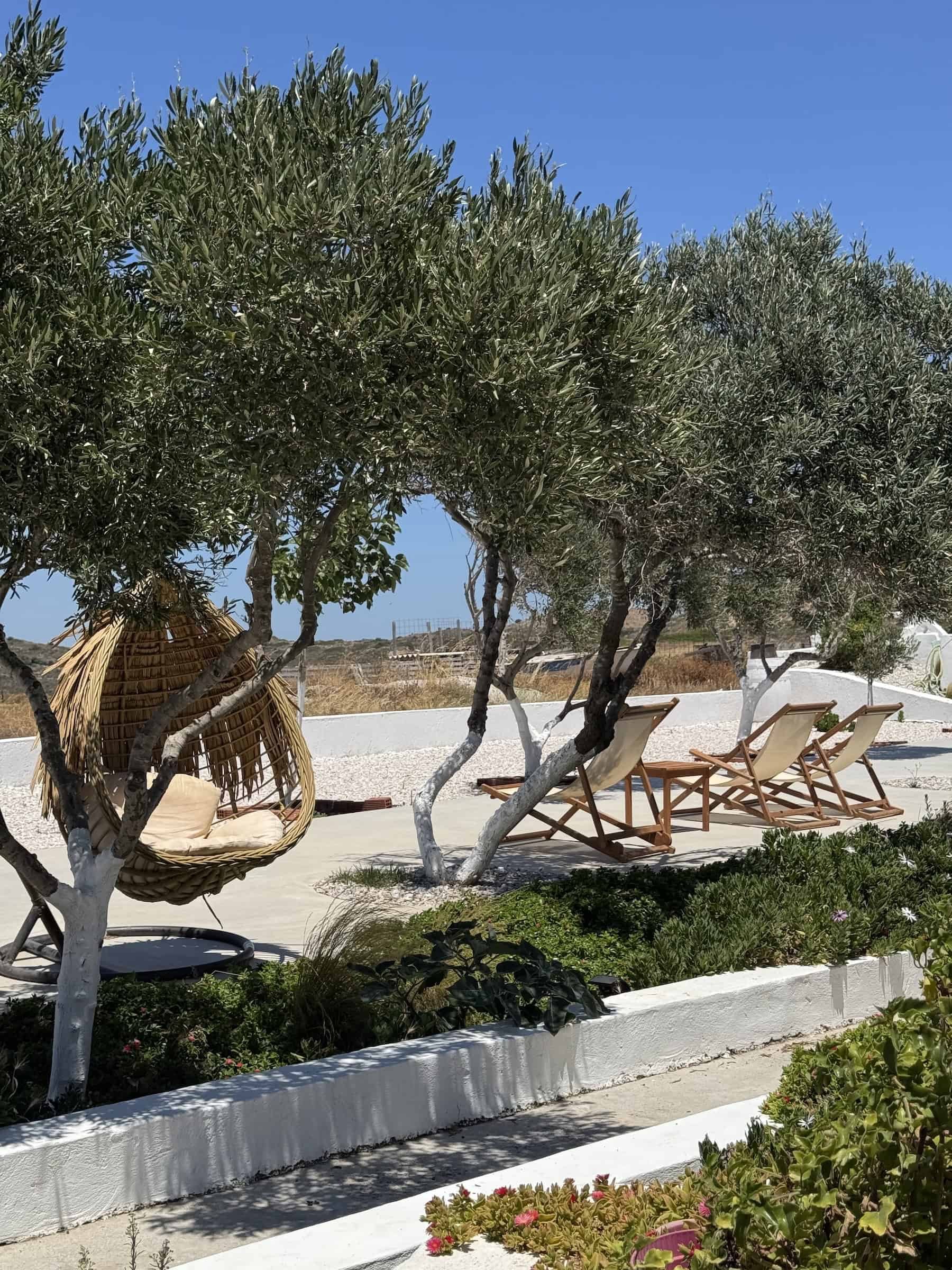
That said, I stayed at Errika’s Sweet Home outside of Provatas and found it to be a pleasant inland base from which I could easily reach highlights along the southern coast, including my boat tour departure point to Kleftiko. Food was a bit harder to come by, with Muses being one of the only restaurants around, which is why staying in the north and dedicating a day to driving around the south side is another alternative to consider.
No matter where you stay, ensure you can sleep soundly at night by securing travel medical insurance before you go.
I prefer SafetyWing Nomad Insurance for convenient coverage across borders, since I’m always looking to maximize an international flight with multiple passport stamps collected along the way.
The Essential plan is best suited for mid- to short-term travelers like me balancing a 9-5 with unexpected medical and travel risk coverage.
What to Do in Milos?
Day 1
Coffee - Mosaic
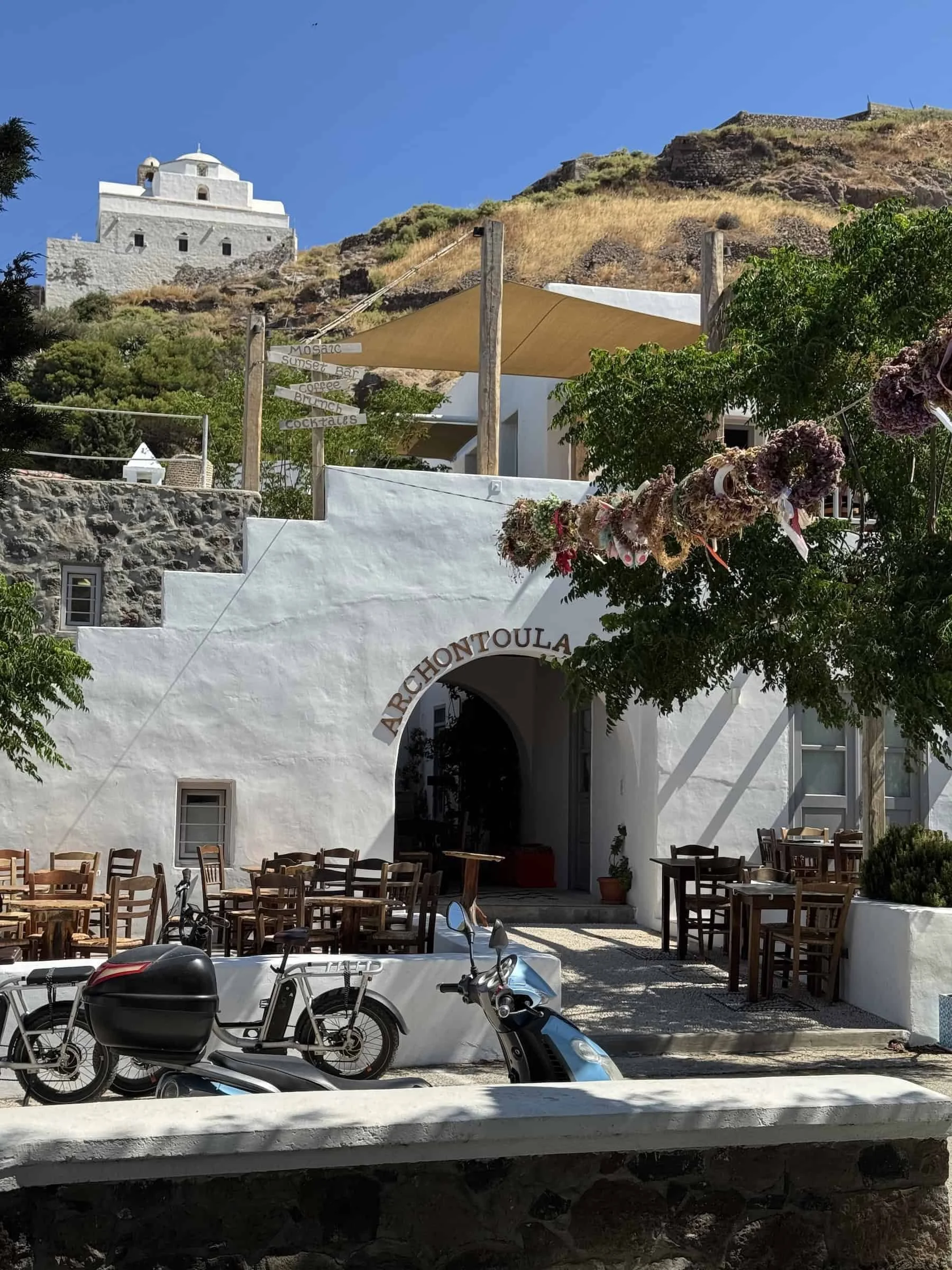
On the morning of your first day, grab a cup of coffee from Mosaic to kick off this what to do in Milos 3 day itinerary. Situated in the heart of Plaka, this bohemian café offers an ocean-view from the rooftop patio covered in large patchwork cushions and woven poufs to lounge on. If you can’t make it in the morning, catch the sunset here with a Cycladic cocktail in hand.
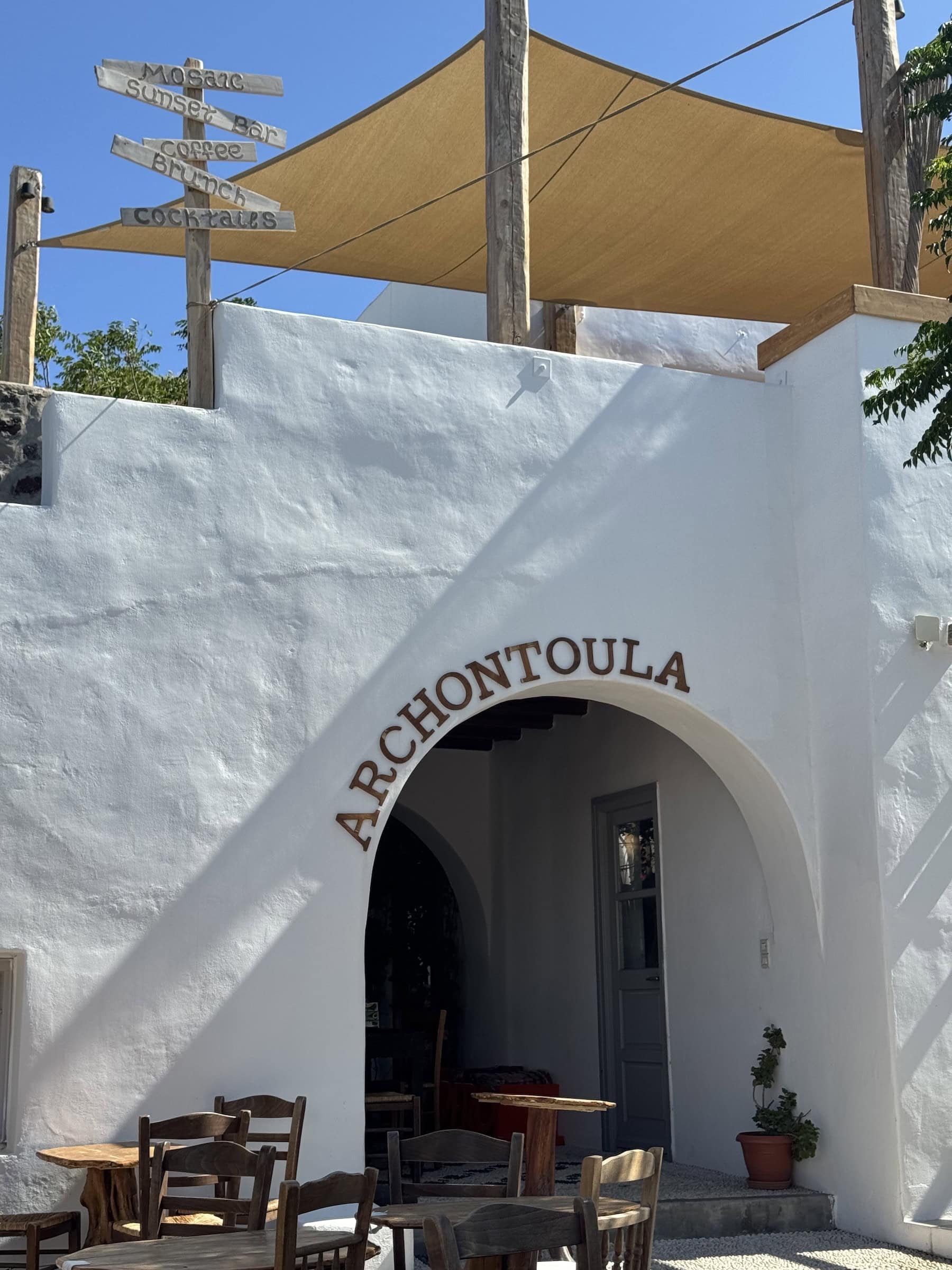


Pro Tip:
If you’ve never tried one before, this is the place to begin your freddo cappuccino journey. This popular Greek iced coffee starts with a base of shaken espresso and is topped with a glorious whip of frothed milk—creamy and silky, it’s the perfect summer starter.
Venetian Castle
Head up and around the corner through clusters of whitewashed, cubic houses on the way to the Venetian Castle. Strut 10 minutes up a few flights of cobblestone stairs to first reach the Church of Panagia Thalassitra, and while it’s a more elaborate structure—this is not your final destination. Continuing up to the hilltop plaza, find the crumbled ruins of this 13th-century defensive stronghold set as the backdrop to panoramic views over the largest natural harbor in the Cyclades, nearby villages, and stunning sunsets as one of the most photographed spots on Milos.


Breakfast - Cafe Palaios
After walking back the way you came, try a traditional bite of karpouzopita, or Greek watermelon pie, from Cafe Palaios. With a name meaning “old,” authenticity oozes out of this favored patisserie where all the homemade products are baked the way grandma used to make them. An outdoor courtyard overlooks the main square to serve up a side of people watching.
Plaka
Weave through the remaining narrow alleyways of Milos’s charming main town, Plaka, which boasts a quintessentially Greek aesthetic. You never know what blue-trimmed shutters or towering pink bougainvillea will be hiding around the next turn, so it doesn’t hurt to get a bit lost and see where the wind takes you. Art studios and craft shops are in abundance selling handmade creations from lava bead jewelry to seascape paintings, making the historic capital one of the best places to buy a Milos souvenir.


Lunch - Medusa
Head 10 minutes east to the fishermen village of Mandrakia, parking directly in front of the seafood spot where Justin Bieber once dined. Medusa is the only restaurant around this colorful hamlet, famous for their freshly-caught octopus hung daily on the line to dry, then served directly on the water’s edge, with waves crashing against the rocks beside your table. With this kind of global recognition, expect to wait for a table during the lunch and dinner rush at this oceanside taverna.
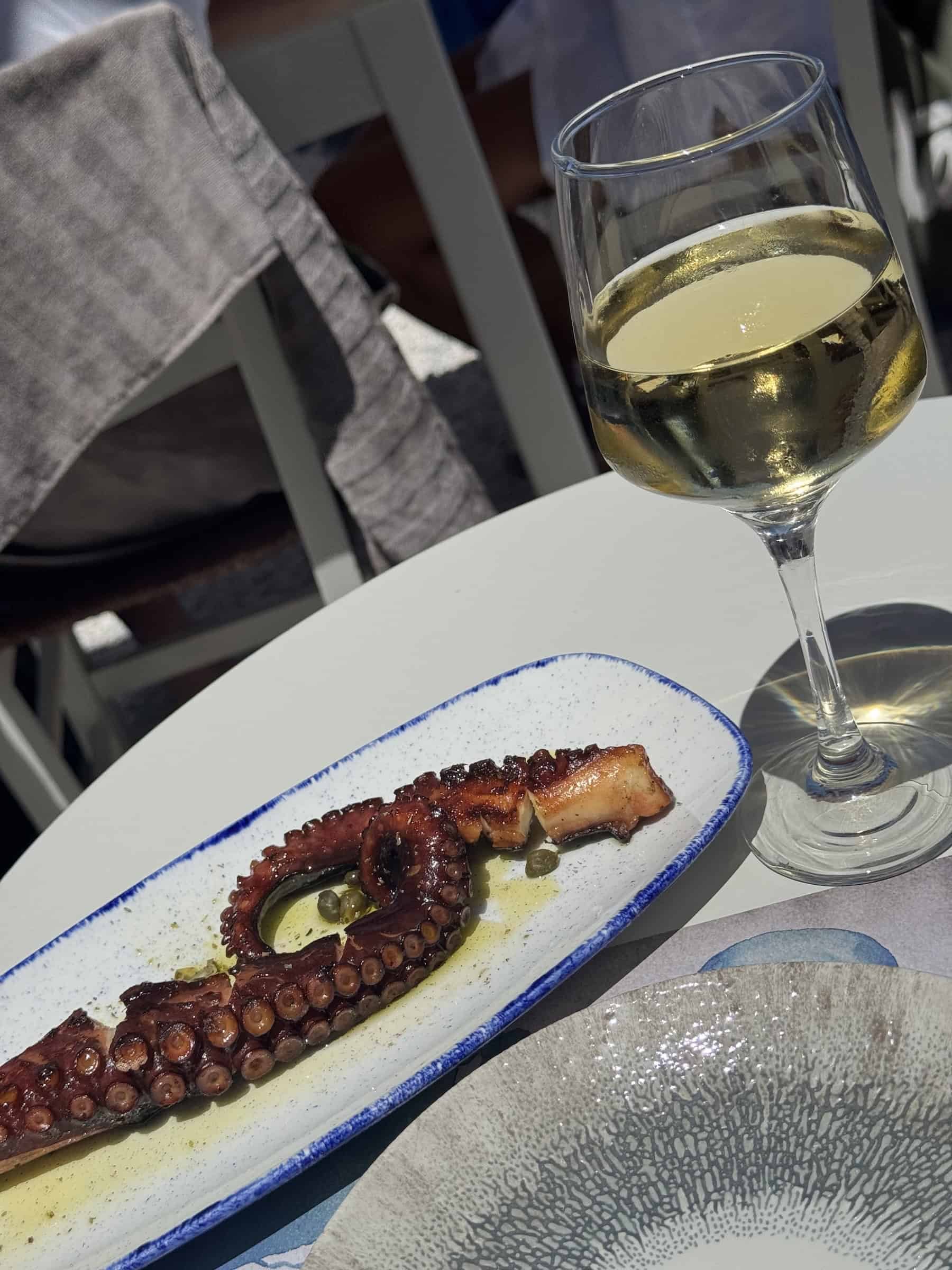
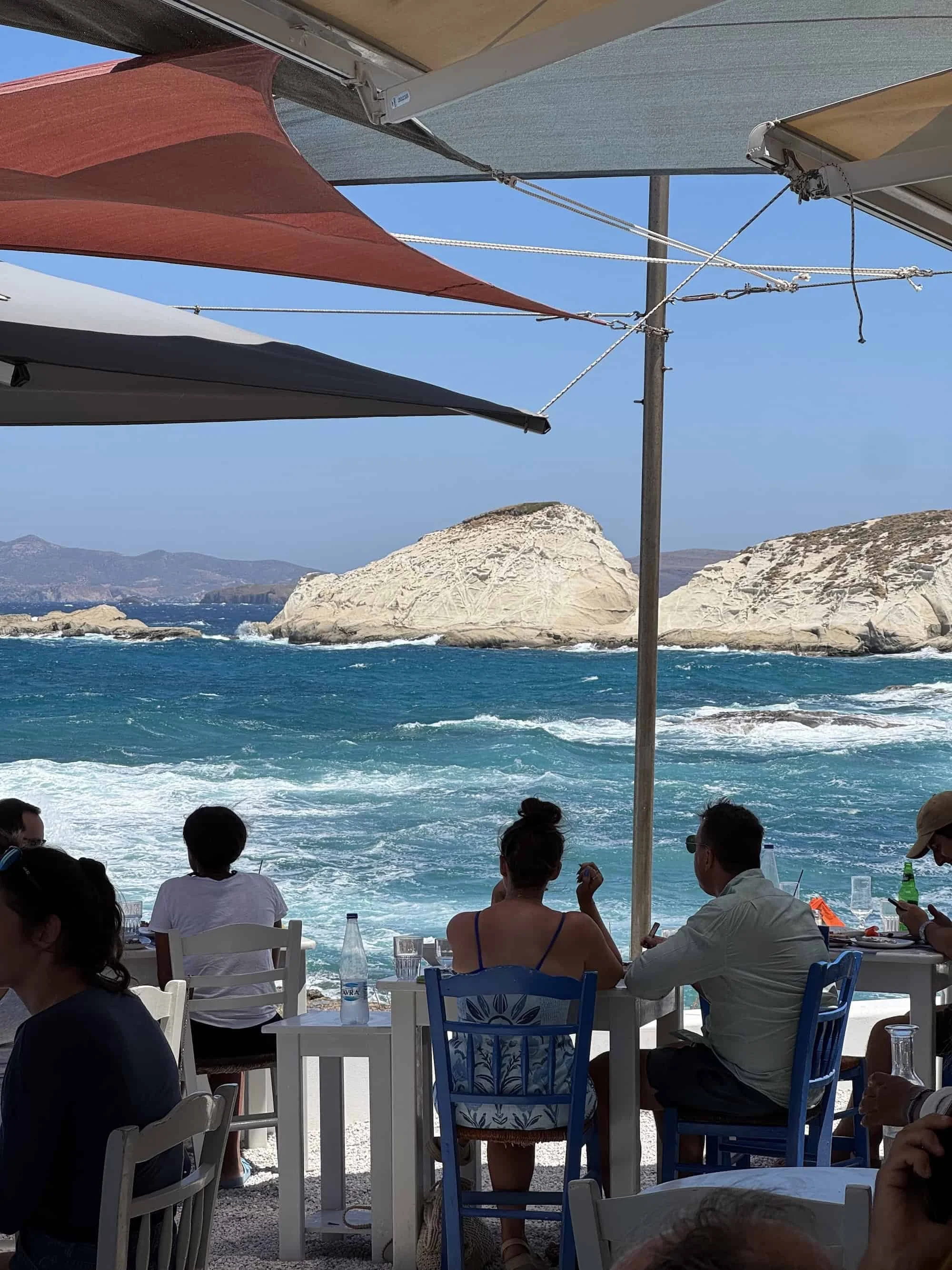
Put your name down on the guest list at Medusa first and then explore Mandrakia while you wait in the inevitable queue!
Pro Tip:
Mandrakia
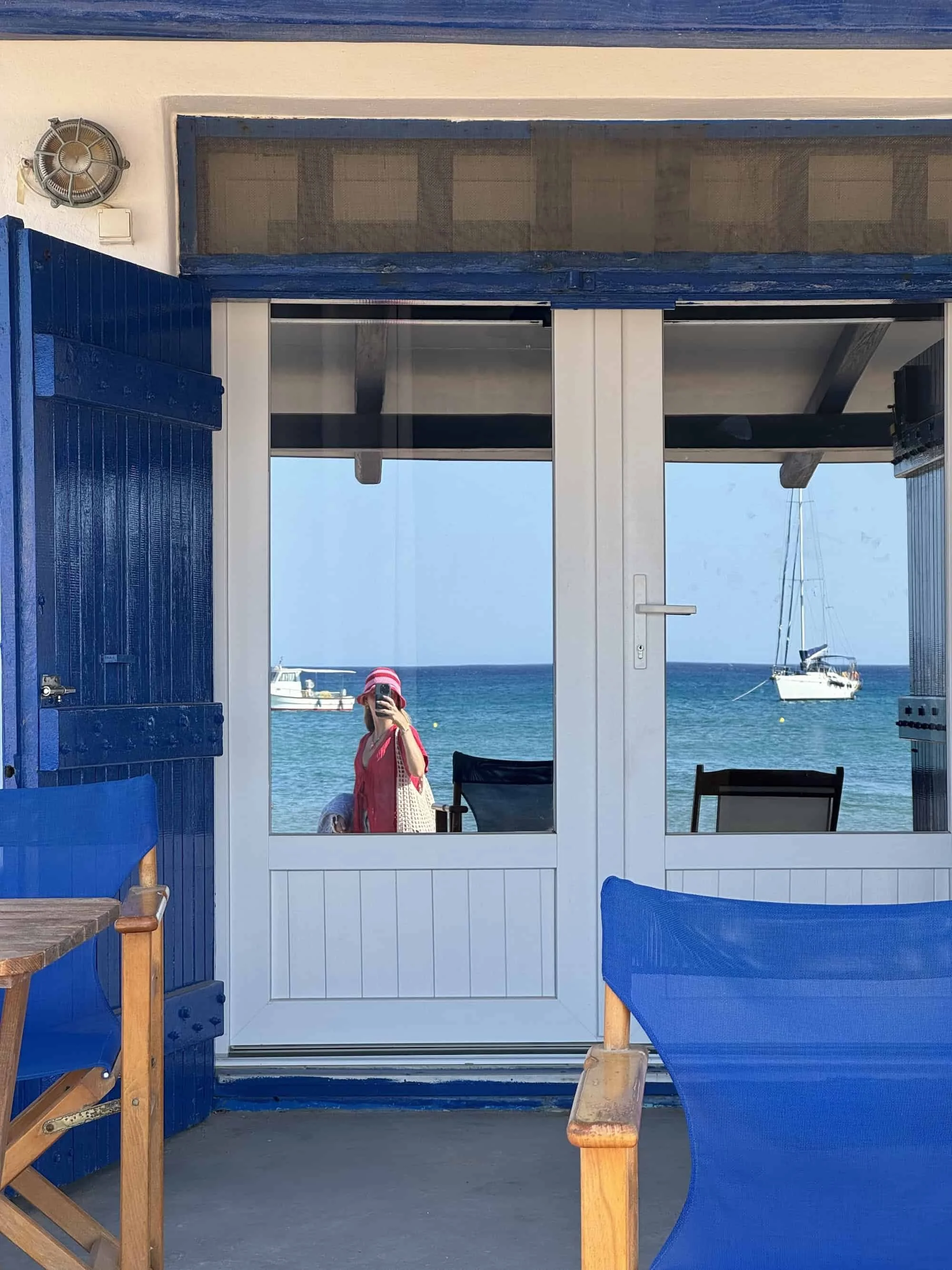
My favorite fishing village on Milos, the pastel wonderland of Mandrakia features boat sheds with colorful garage doors built directly into the rock, creating a smattering of tiers, terraces, and piers to tan on. With wooden boats rocking gently in the shallow cove and waves crashing over the natural breakers from the deep blue sea in the background, this hamlet is one of the most idyllic scenes I’ve ever witnessed.


Bring a towel to comfortably lay on the hot asphalt platforms and a hat and sunscreen for good measure. A tied line from one of the moored boats permits easy access into and out of the water, plus the Oasis Canteen sits above the scene if you’re in need of any snacks, juices, or smoothies. Note that this is not a beach in the traditional sense— there’s no sand or natural rock to lay out on.
Dinner - Makris
The best meal I ate on Milos, Makris, lives inside the Domes White Coast Resort 10 minutes down the road as one of the few fine dining options on this otherwise laidback isle. The Michelin-starred chef Petros crafts vibrant courses where every piece of the presentation is thoughtfully plated. Coupled with fresh flavors, complimentary contrasted textures, and a stunning sunset view through the floor-to-ceiling windows—this is a Milos restaurant that can’t be missed.


Day 2
Sarakiniko Beach
Wake up at sunrise—seriously—to experience golden hour on the moon. Sarakiniko Beach is the closest you’ll get to blasting off into orbit, offering hours of exploration throughout the cracks and crevices of this white, lunar-like landscape sculpted by the sea. The volcanic rock formations can be summited as a perch from which to watch the waves below, then head to the center shallow inlet to take a dip. When approaching from the parking lot, walk around the sweeping left slope to find the lip infamous for cliff jumping when low northerly winds are blowing, or explore further along the outcropping to find the rock bridge carved by the incoming tide.


While the free parking lot is easily accessible, this is a truly remote location in that the unorganized beach has no provisions around, including restrooms. Bring a towel, sun protection, snacks, and a beverage if you plan to stay for a while.
Firopotamos
10 minutes away is Firopotamos, the tiniest, most peaceful fishing village on the island with a swimmable beach. Only a few syrmata—or boat garages—with colorful fixtures are found here, along with organized sun loungers and a nearby stretch of unoccupied sand where you can lay out a towel. This is the best sandy beach to avoid the crowds, and arriving early in the morning before 10:00 AM offers the opportunity to sit on the chairs for free before the nearby My Beach Bar opens. It’s more quiet and laid-back than Klima or Mandrakia.


Expect to lose cell service as you descend down and around mountain roads to reach this rocky cove. Parking is quite limited in the small, free lot at the base, with incline parallel parking on the side of the one-way road often required.
Klima
15 minutes south is the third and final notable seafaring village to explore, Klima. The rainbow array of elevated porches on these traditional syrmata aren’t merely for aesthetics; rogue waves from passing ferries frequently flood the lower levels considering how close they’re built to the water’s edge as winter storage for fishing boats. If you’re shopping in the only souvenir store—Pliatsiko—for handmade treasures, expect to leave with soggy shoes.
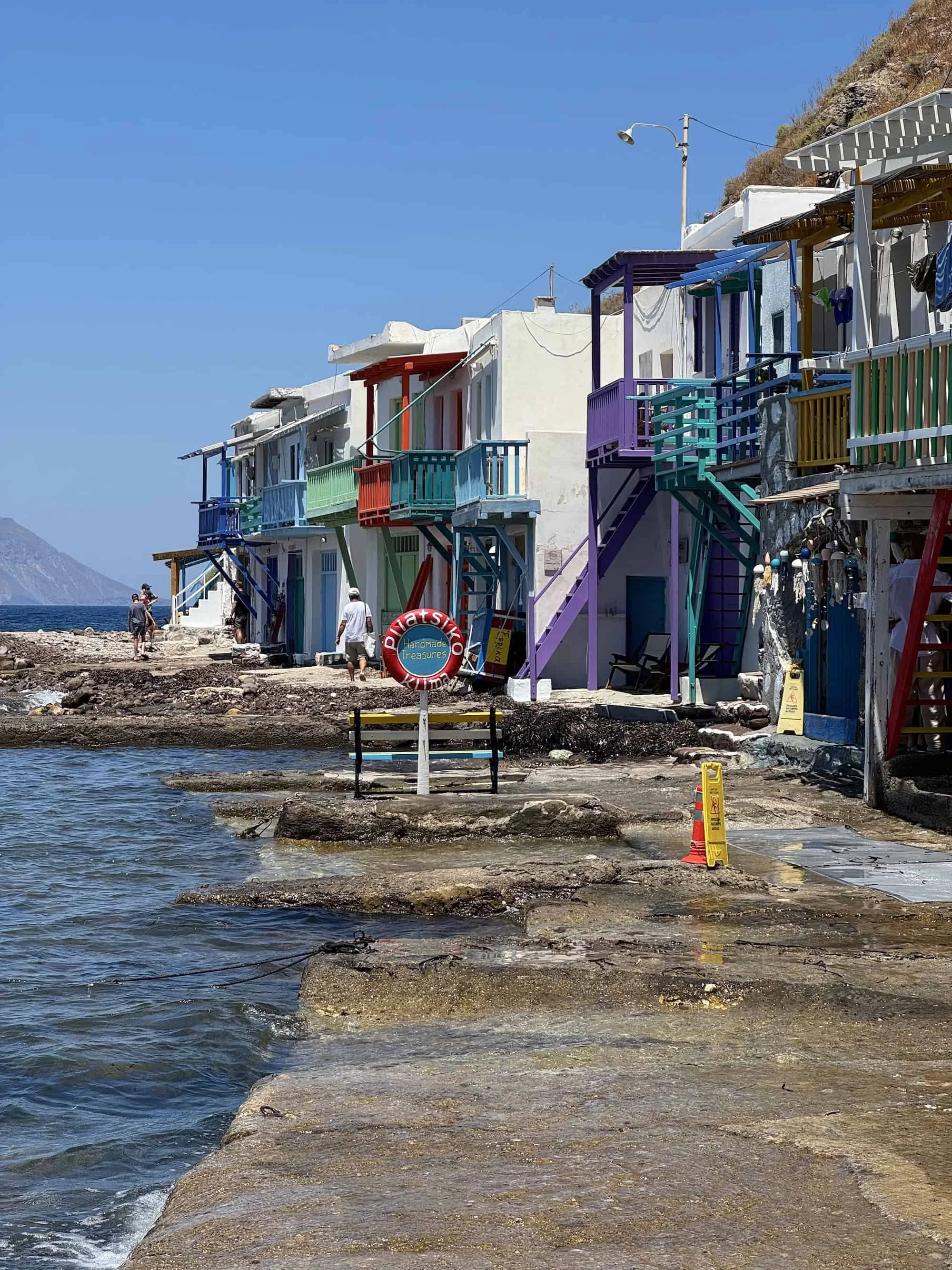
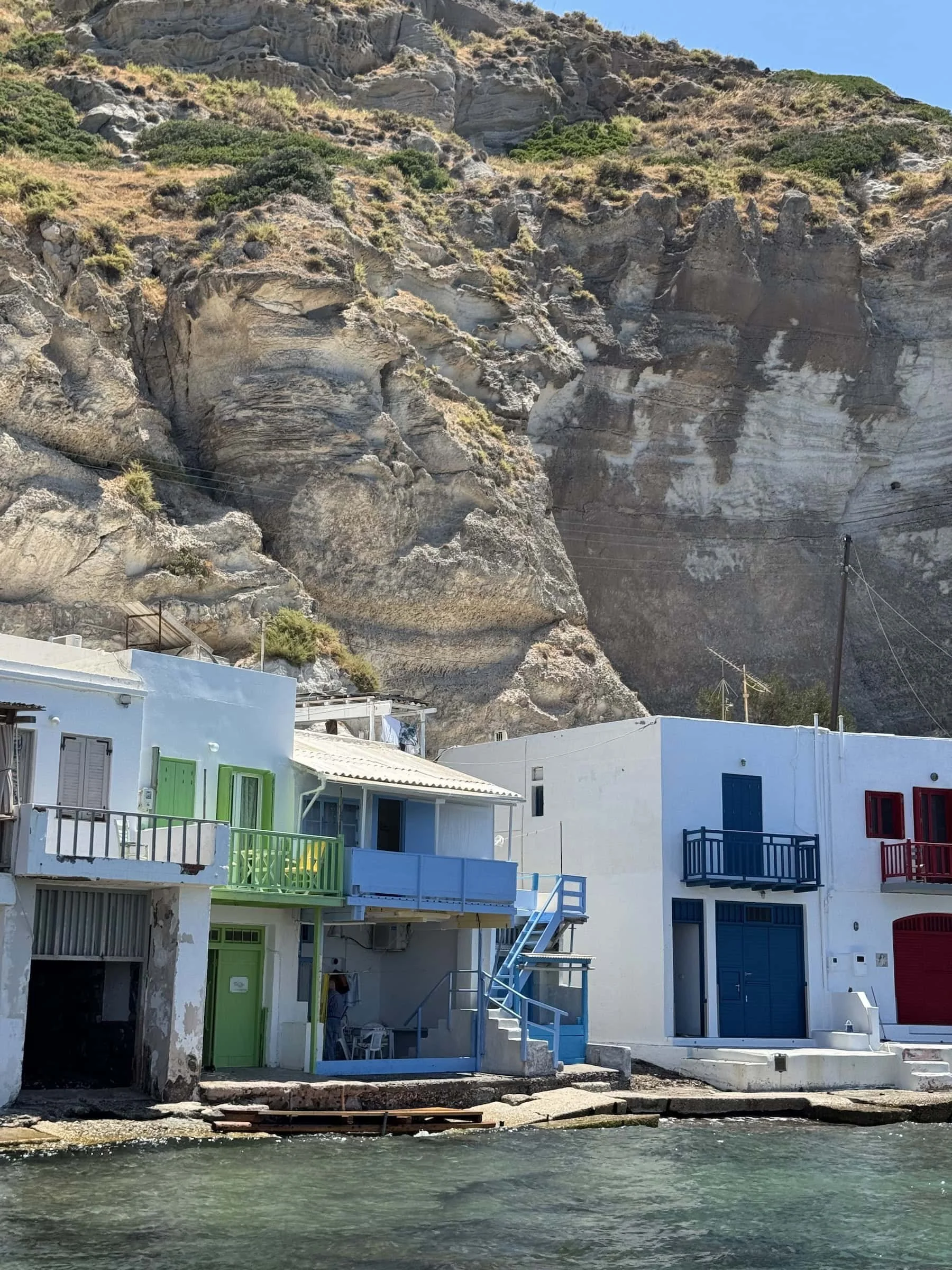
As the most developed village, Klima features the largest array of boutique beachfront accommodations replicating life in a fisherman’s home and a café restaurant by the water, Astakas. That said, I wouldn’t spend too much time here—there’s far better beaches around Milos compared to this thin strip of seaweed-covered rocks.
Papafragas Caves
In your last aquatic expedition of the day, venture 20 minutes across the island down into the secluded beach cove of Papafragas Caves. Continue past the line of cars parked along the side of the road—the first peninsula flanks an inlet largely filled with floating trash that’s not worth your time. Instead, drive until you reach the free parking lot on the left, from which descent to the hidden natural beach cut into the rock is possible.


Pro Tip:
This secluded swim spot is best enjoyed with an inflatable, allowing you to float and admire the staggering cliff walls all around leading to the open Aegean Sea.
Climb around the gap in the fence and ignore the sign that reads: “Warning! Dangerous Cliffs Keep Away”—it’s more of a suggestion anyways. From here a narrow ridge is worn into the steep cliffside that can be descended to reach the cove; it’s easiest to stay low and slide down the almost vertical walls around the long, fjord-like channel of sea foam green water, tossing any beach bags down from above to free up both hands. On that note, the chalky rock is quite crumbly and will cover your clothes in dust if rubbed, so don’t wear anything you mind dirtying.
Lunch - Muses
After hopping around the island all morning, head 20 minutes south for an authentic Greek lunch overlooking the ocean from above at Muses. It doesn’t get more traditional than this, as a generational fisherman runs the show with his hospitable family and their fresh catch of the day allows you to taste his bounty from that same morning! No reservations are required, simply stroll up to this casual seaside eatery.
Day 3
Tsigrado Beach
Exploring the best of the south side of the island, begin day 3 on Milos with a stop at Tsigrado Beach—if you dare. The rugged, enclosed beach at the base sits surrounded by volcanic tuff cliffs, meaning you have to descend all that way on foot from the dirt parking lot on top of the plateau. In practice, this means climbing down two sets of rickety old wooden ladders with sand slipping away under your feet and the soft, pumice walls eroding beside you at the slightest touch.


I mistakenly thought I was in the clear after descending the first ladder and squeezing through the narrow passage, only to be faced with the second that was somehow more treacherous. The steep angle of the chute convinced me to turn around, considering no one was around at 7:30 AM to help if I slipped through the large hole underneath the thin plywood anchor meagerly connecting the ladder to the cliffside. Kudos if you make it all the way down via this adventurous route; alternatively, kayak rentals are available at Fyriplaka Beach next door, allowing you to safely reach the private cove from the water.
Fyriplaka Beach
An easily accessible beach that doesn’t require you to put your life on the line, Fyriplaka Beach is a long, thin strip of grey sand with a large unorganized section as well as the Loco Beach Bar with umbrellas and sun bed sets available to rent. A free lot sits above the beach for parking, with a simple descent down the colorful, stratified cliffs on a winding path. Layered mineral deposits paint the volcanic backdrop in warm bands with oceanic rock formations punctuating the scene.
Join Milos Watersports from the beach on a kayaking tour exploring both the Tsigrado and Gerakas coves. SUP and kayak rentals are available as well if you prefer to explore at your own pace. For a less physically demanding option, Firiplaka Boat Rental and Summer Stories operate rentals from this same location in drive-your-own boat without a license and guided varieties where a skipper is provided.


Provatas Beach
The picture-perfect image of a traditional shore, Provatas Beach 10 minutes away is a wide, golden stretch of soft sand overlooking a crystal-clear blue-green cove with all kinds of boats bobbing about. It’s the most stereotypical “beach” on Milos, and if you’ve been craving sand between your toes during a low-effort day after all those rocky coasts, this is the place to go. The bay is shallow and gently sloping, so the water stays calm and warm for an easy, laid-back swim.
It’s the cherry on top that the most luxurious, thick cushioned loungers are found in the organized section of the Salty Goat Beach Club here. This level of comfort comes at a premium, however, with the cheapest back row beds costing €90 per set.
Kleftiko
Only accessible via boat, Kleftiko—from the Greek word "kleftis" meaning thief or bandit—is the most unique experience Milos has to offer. These dramatic white rock formations and secluded coves were used by 17th and 18th century Aegean Sea pirates. A natural shelter with excellent vantage points throughout the maze-like geography to spot incoming ships, it was the perfect hideout.
Today, this limestone labyrinth can be explored via half or full-day tours, like the excursion I embarked on with Delfinia Milos Boat Tours. Sailboat tours seem to skew towards a younger, party crowd whereas the traditional boats like the one I boarded generally contain a more family-friendly, older demographic. Departing from Paralia Kipos a mere 8 minutes from Provatas Beach, the first stop is typically Gerontas Beach, which is similarly only reachable via boat. This swim and snorkel stop offers a deep cave to explore, or you can backstroke all the way to the beach if so inclined.


30 minutes later it’s time to head to Kleftiko, where the majority of the time is spent sunbathing, cliff jumping, swimming through caverns and tunnels, and snorkeling in the brilliantly turquoise water if you happen to bring goggles. It’s hard to describe how staggering these structures are up close, so you’ll just have to see them for yourself!
Pro Tip:
Even if you’re a proficient swimmer, don’t decline the offered pool noodles. They’re particularly helpful when floating through naturally carved tunnels so you can easily look up rather than swimming with your face in the water.
Dinner - Sirocco Volcanic Restaurant
Your last dinner in Milos is the most inventive—at Sirocco by Coccinelle nearby volcanic beach activity is harnessed to cook meals in covered sandpits at temperatures up to 102°C. This ode to the island’s native culinary tradition 20 minutes away is best enjoyed by ordering the fish of the day pulled straight off ice into the fire, but any ‘Flavors of the Sand’ menu items will allow you to try this preparation. This is also where I had my best freddo cappuccino on Milos with an extra thick, creamy layer of foam!


With an ambiance like a bohemian beach club, expect mellow house beats to be bumping and reservations are always recommended—I had to wait for nearly an hour without one. Sun beds on nearby Palaiochori Beach are offered through this establishment as well, so it’s more than possible to lounge the rest of the day away here after a hearty volcanic meal.
Pro Tip:
If you’re faced with a wait when walking in, kill time shopping at the upscale Coccinelle boutique on site, attached to the side of the restaurant.
How Much Does Milos for 3 Days Cost?
Following the above Milos Greece in 3 days itinerary cost me $1,121.62, or $373.87/day as a female solo traveler on a 2-month abroad stint. Unlike other destinations where I was truly able to budget travel, the lack of ultra-affordable accommodations like hostels on the island required me to stay in more expensive bed-and-breakfasts, plus the dispersed location of major highlights made a rental vehicle nonnegotiable.
Food — $213.71
Activities — $40.66
Lodging — $479.07
Transportation — $388.18
The upfront costs of lodging and transportation are quickly balanced out by the island’s abundance of free experiences—every public beach and cove is open for exploration, and parking doesn’t cost a cent! The one notable exception is Kleftiko, which is exclusively reached by paid boat tours. On a tighter budget, swap upscale restaurants like Makris and Sirocco for traditional Greek tavernas like O! Hamos. Staying in Adamas rather than remote fishing villages like Mandrakia also helps keep costs down, offering more affordable accommodations and convenient access to the island’s public bus network for a budget-friendly way to get around.
What to Wear in Milos?
Channel effortless Aegean ease during 3 days in Milos — a rugged Cycladic escape where style meets utility. Compared to glitzier islands like Santorini or Mykonos, Milos favors an unpolished charm rooted in its fishing village heritage and untamed natural beauty.
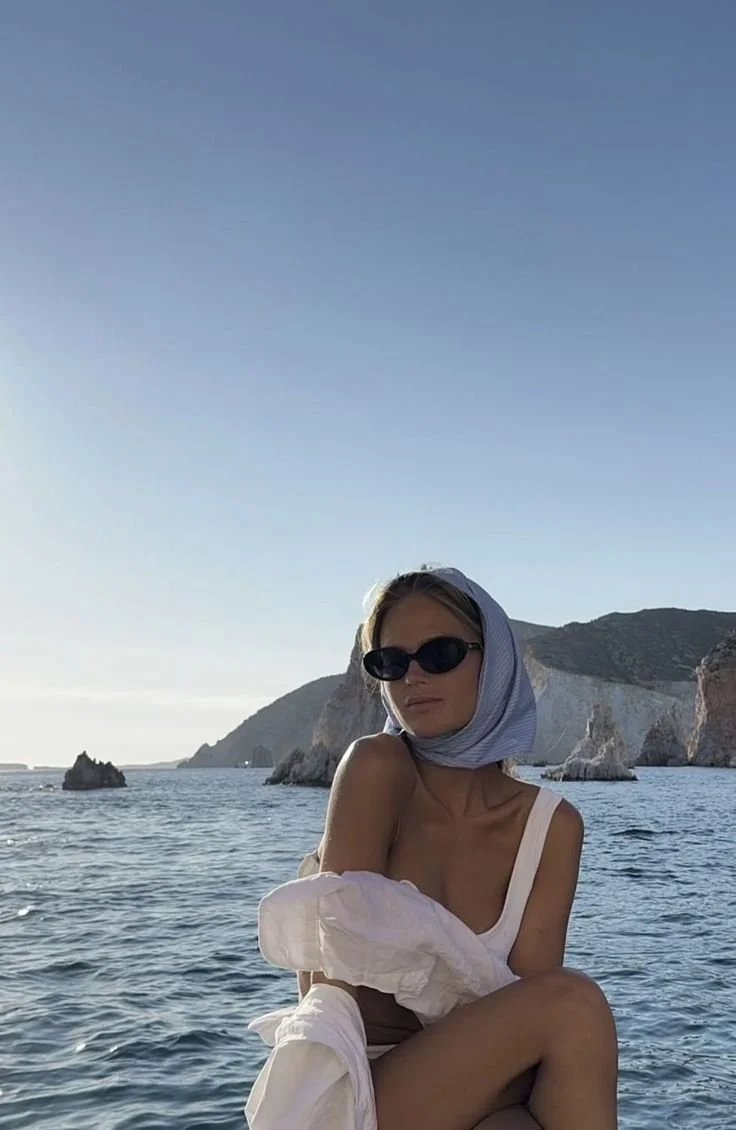
With cliffside trails, rocky beaches, and gusts of Meltemi wind sweeping through its horseshoe bay, functional fashion is essential. Choose practical coastal attire like durable, slip-proof soles that can handle rock and surf alike. The ideal style is subtly romantic and unmistakably Greek; whether wading ashore from a boat tour or wandering Klima’s colorful syrmata, incorporate the following elements into your carry-on:
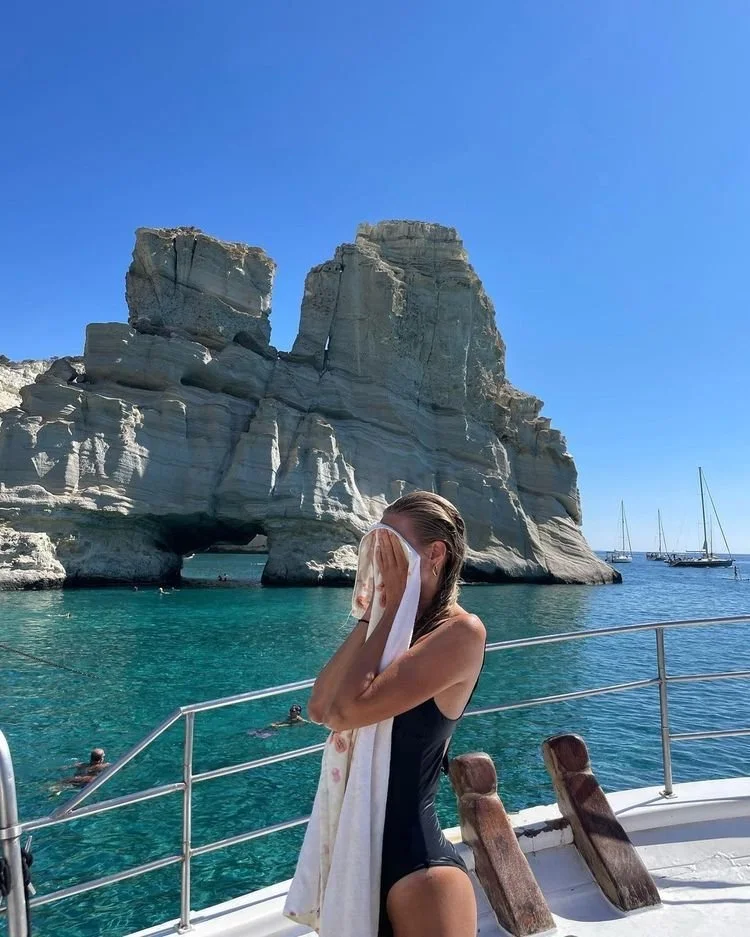
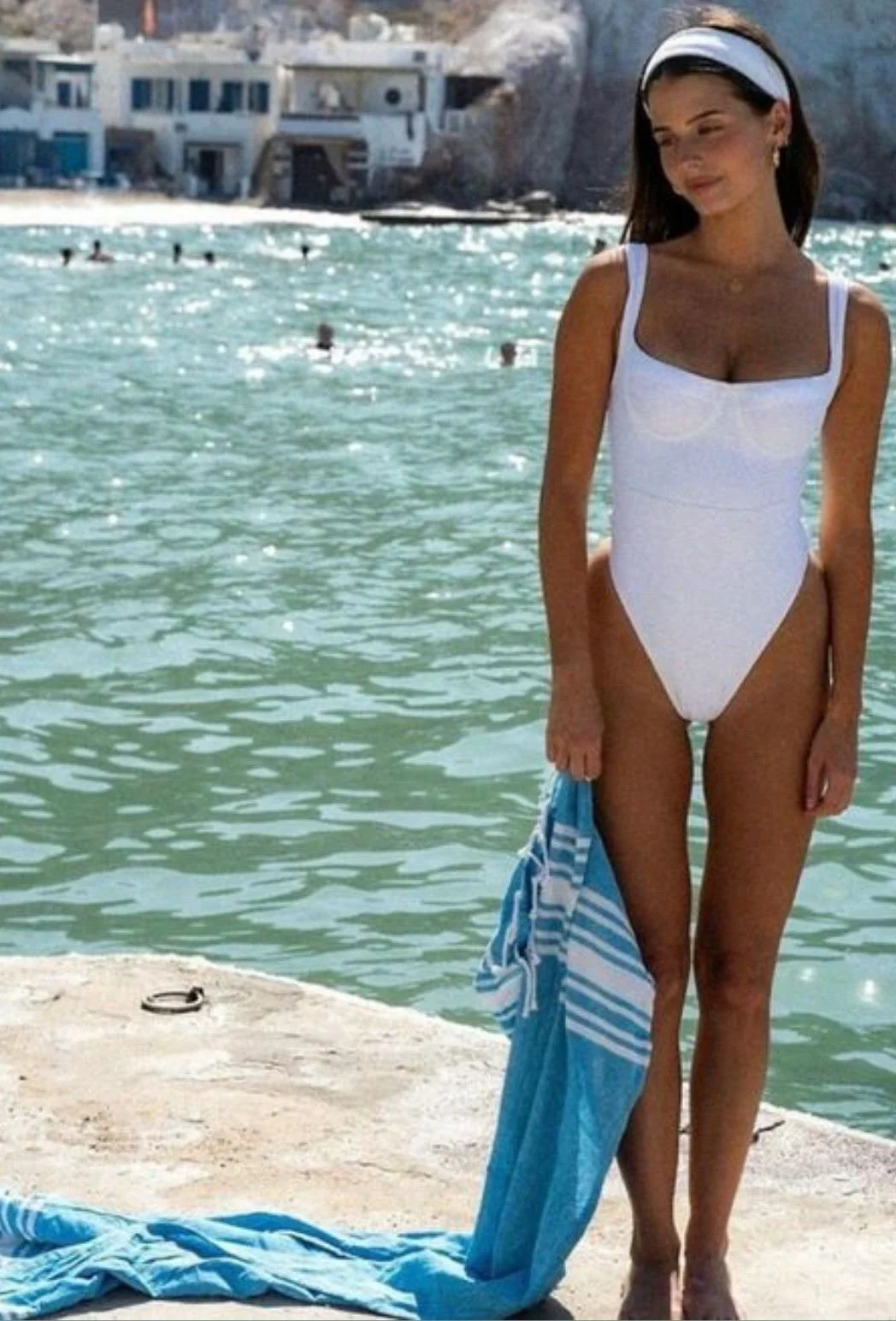
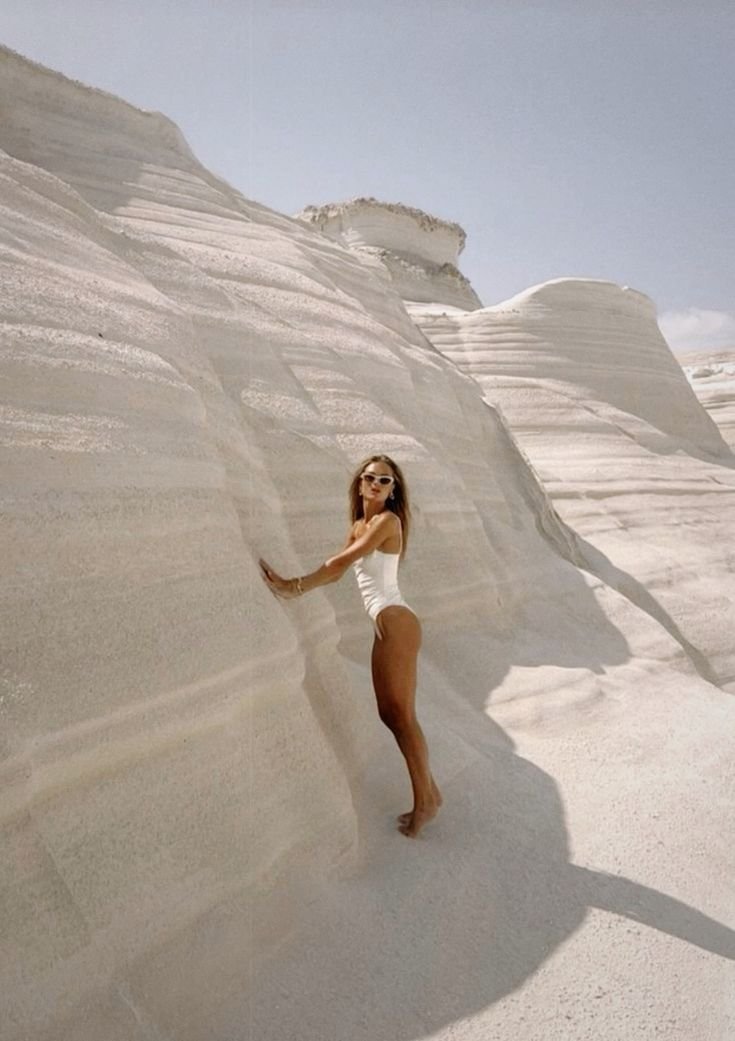
Secure Swimsuits
an active island built for adventure, one-pieces stay put during aquatic acrobatics like cliff jumping at Sarakiniko
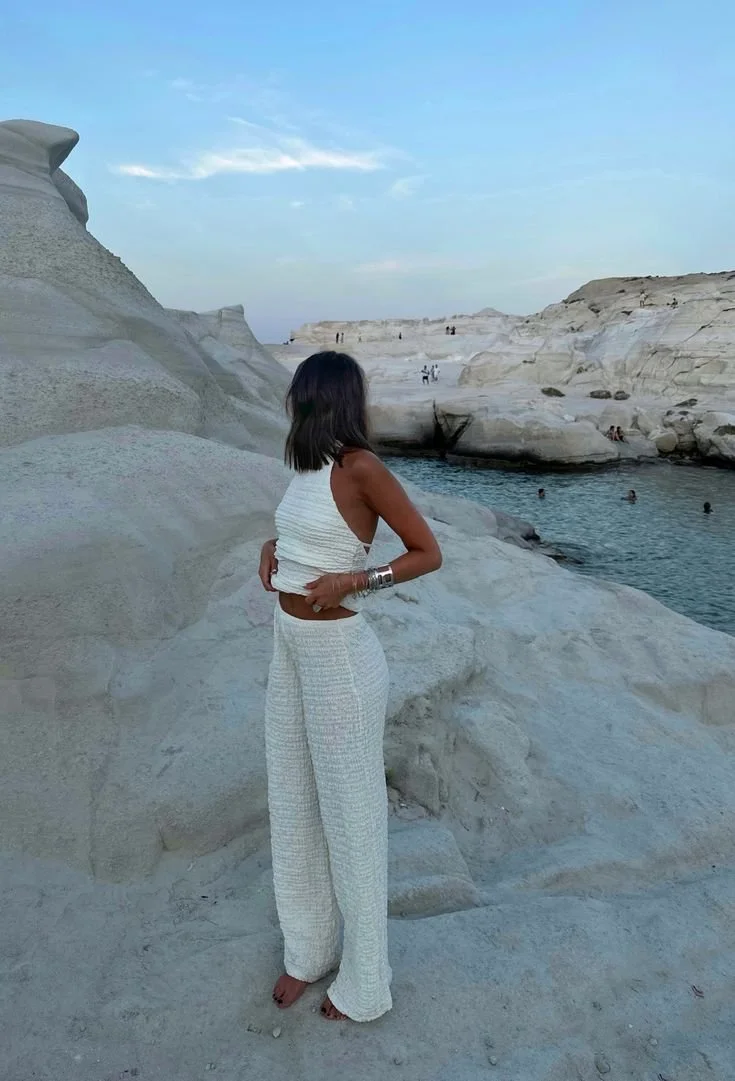
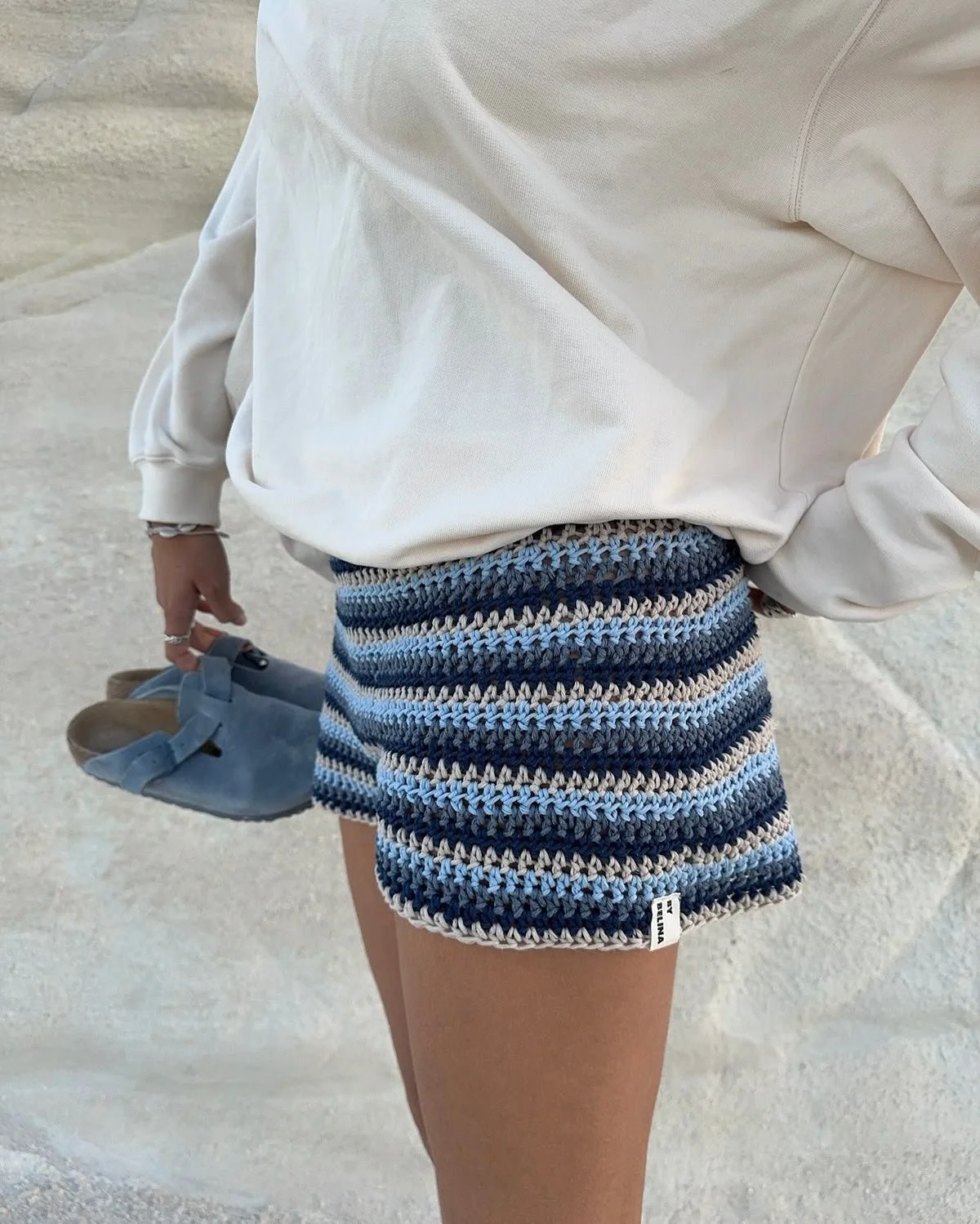
Crochet Cover-Ups
exude fisherman chic in open-weave crochet reminiscent of hand-tied nets while basking in the Meltemi breeze


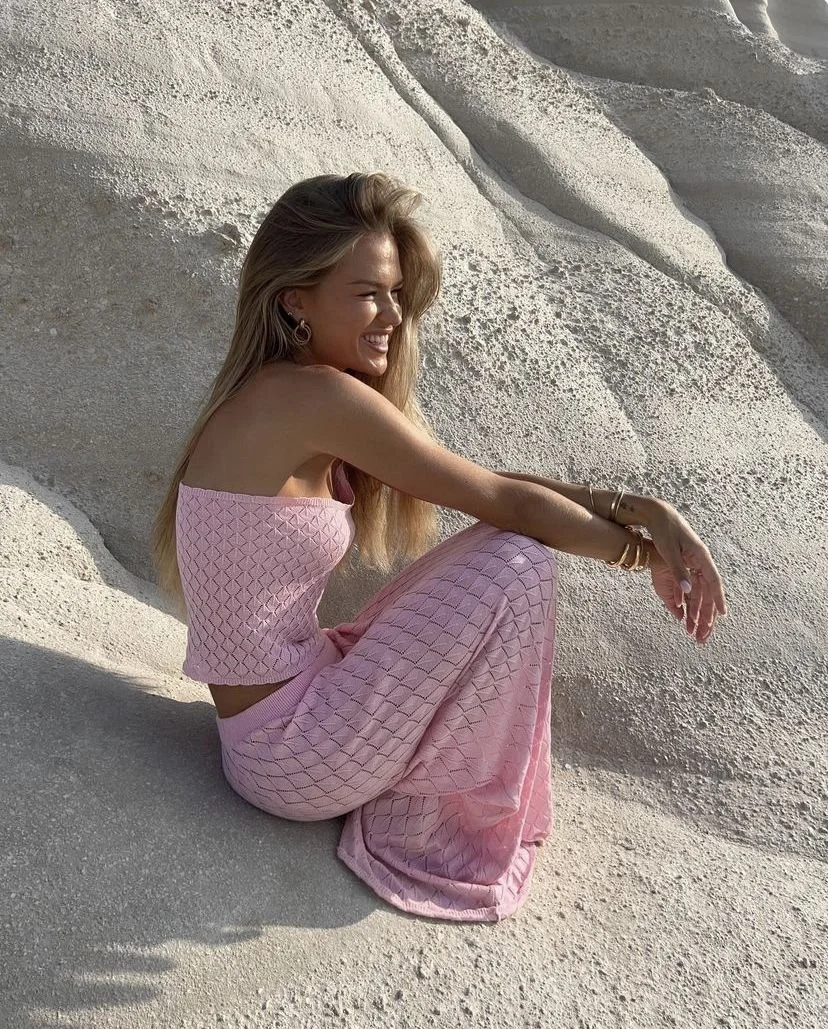
Pastel Pieces
reflect the whimsical palette of fishing hamlets — soft blues, blushes, and seafoam greens mirror painted boat garages

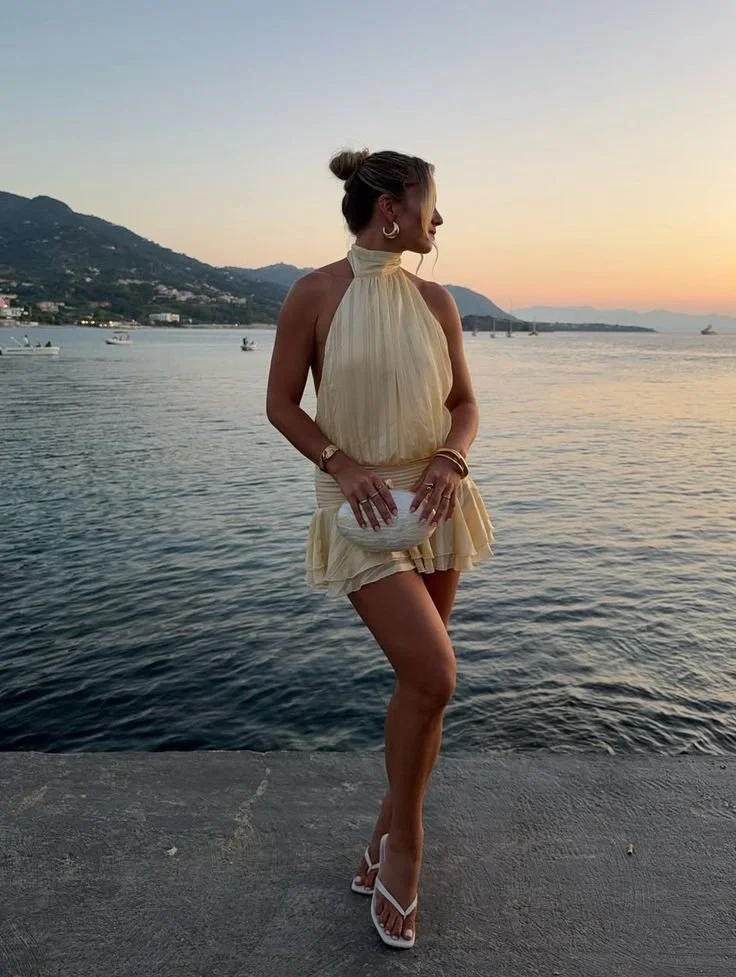

Full-Length Skirts
skip a Marilyn moment — strong coastal winds make maxis your best friend for seaside dinners and sunset strolls
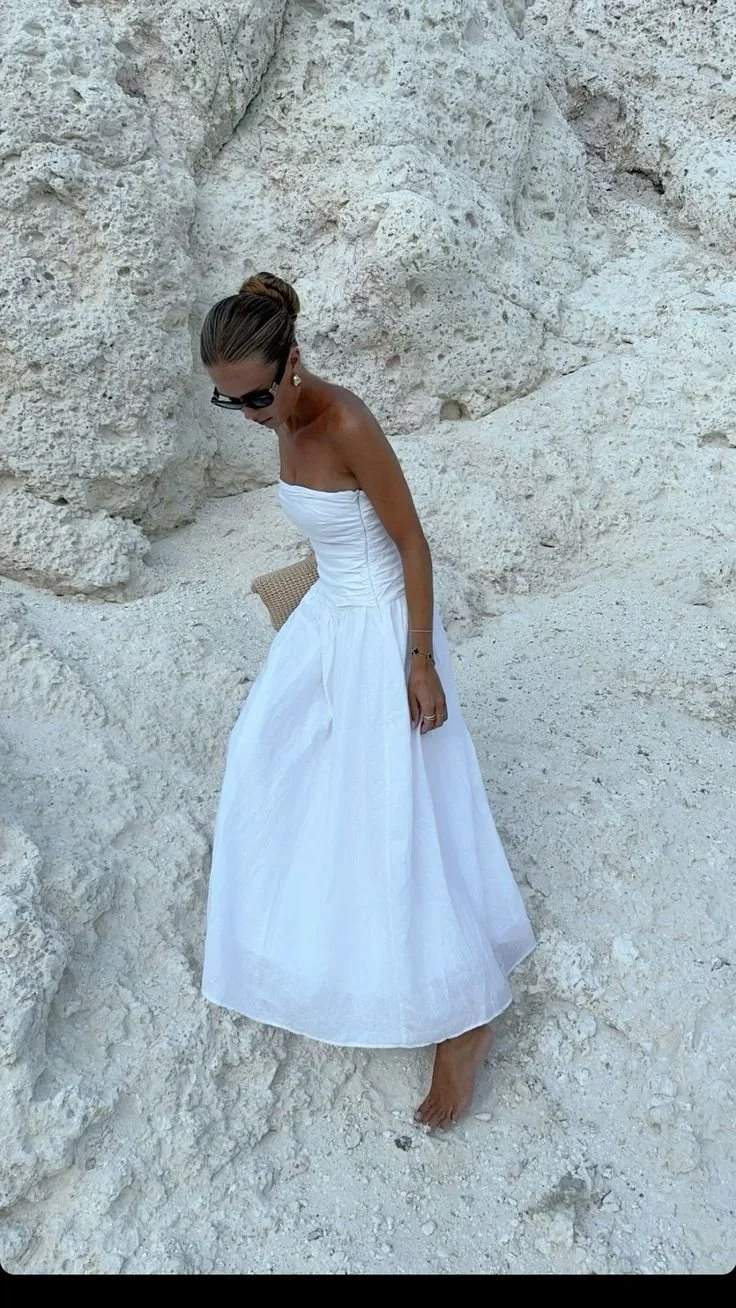
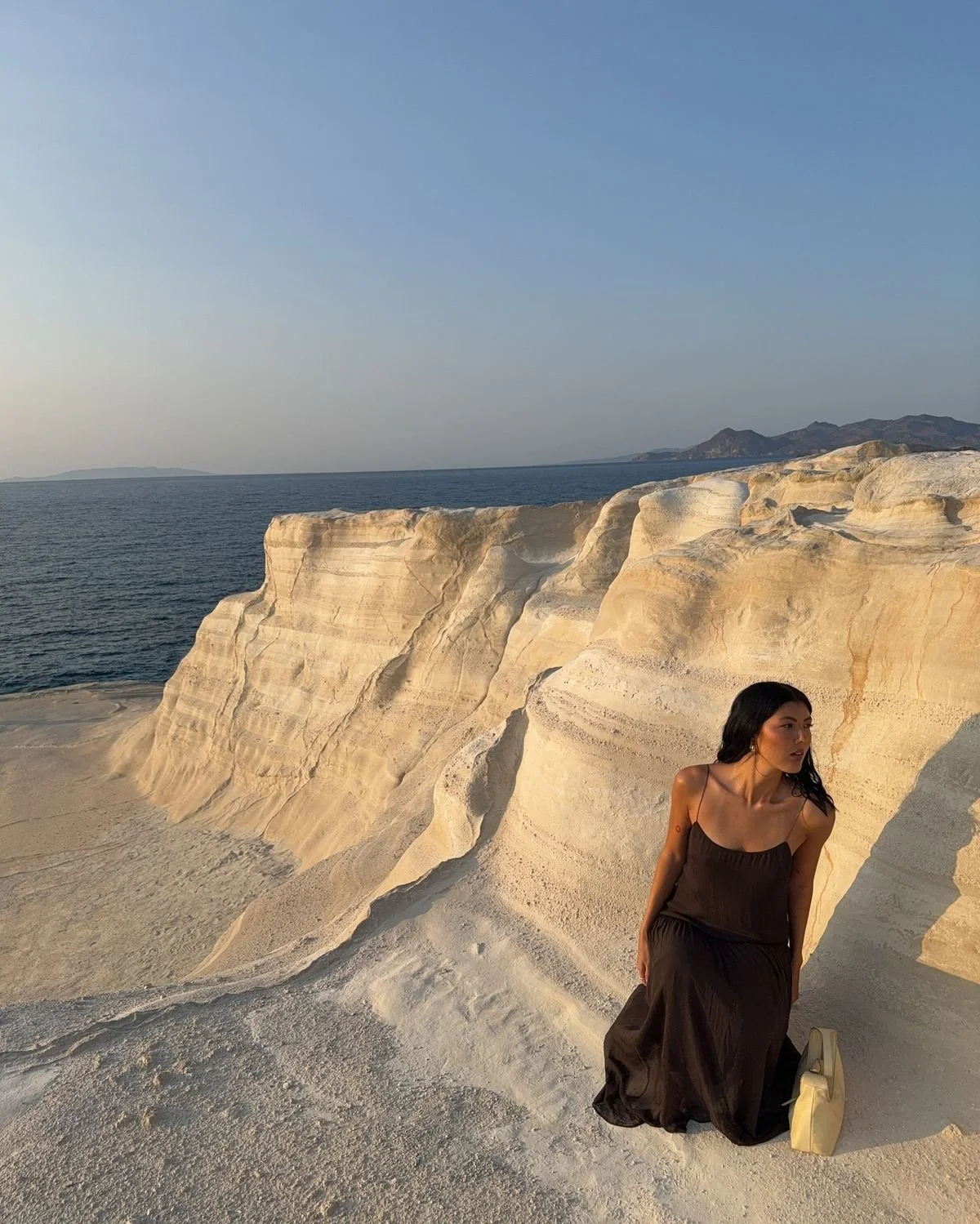

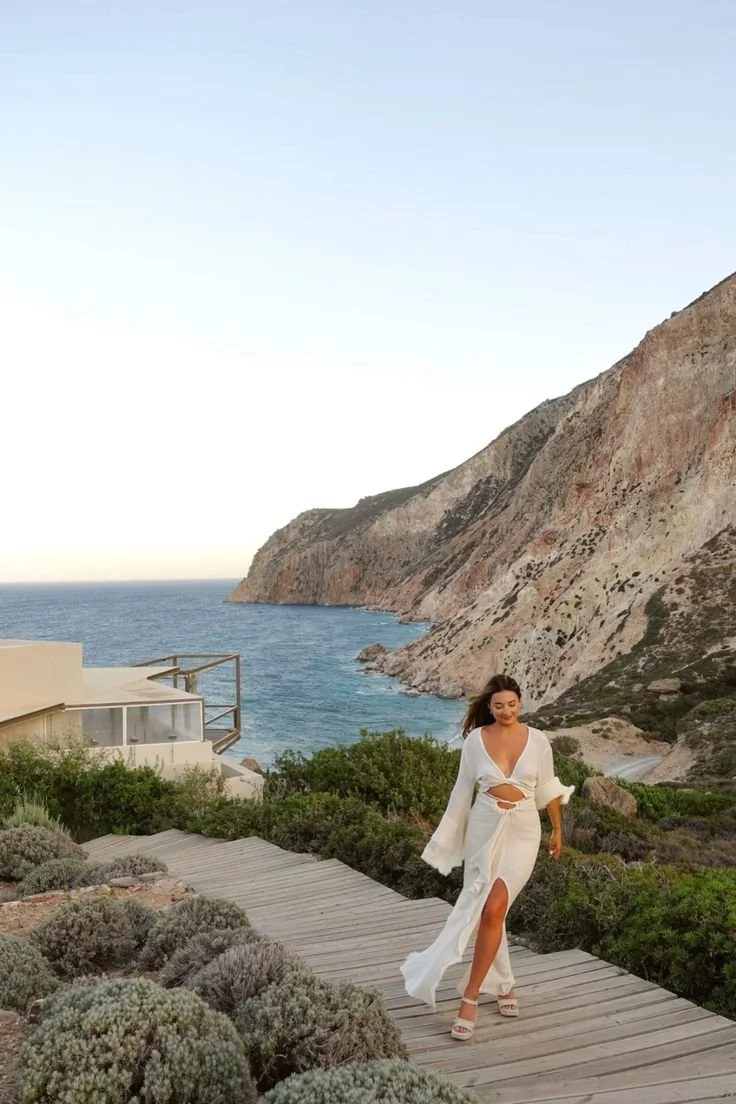
Nautical Notes
prints featuring the daily catch, netted caps, and shell jewelry nod to the seafaring heritage of this Cycladic getaway




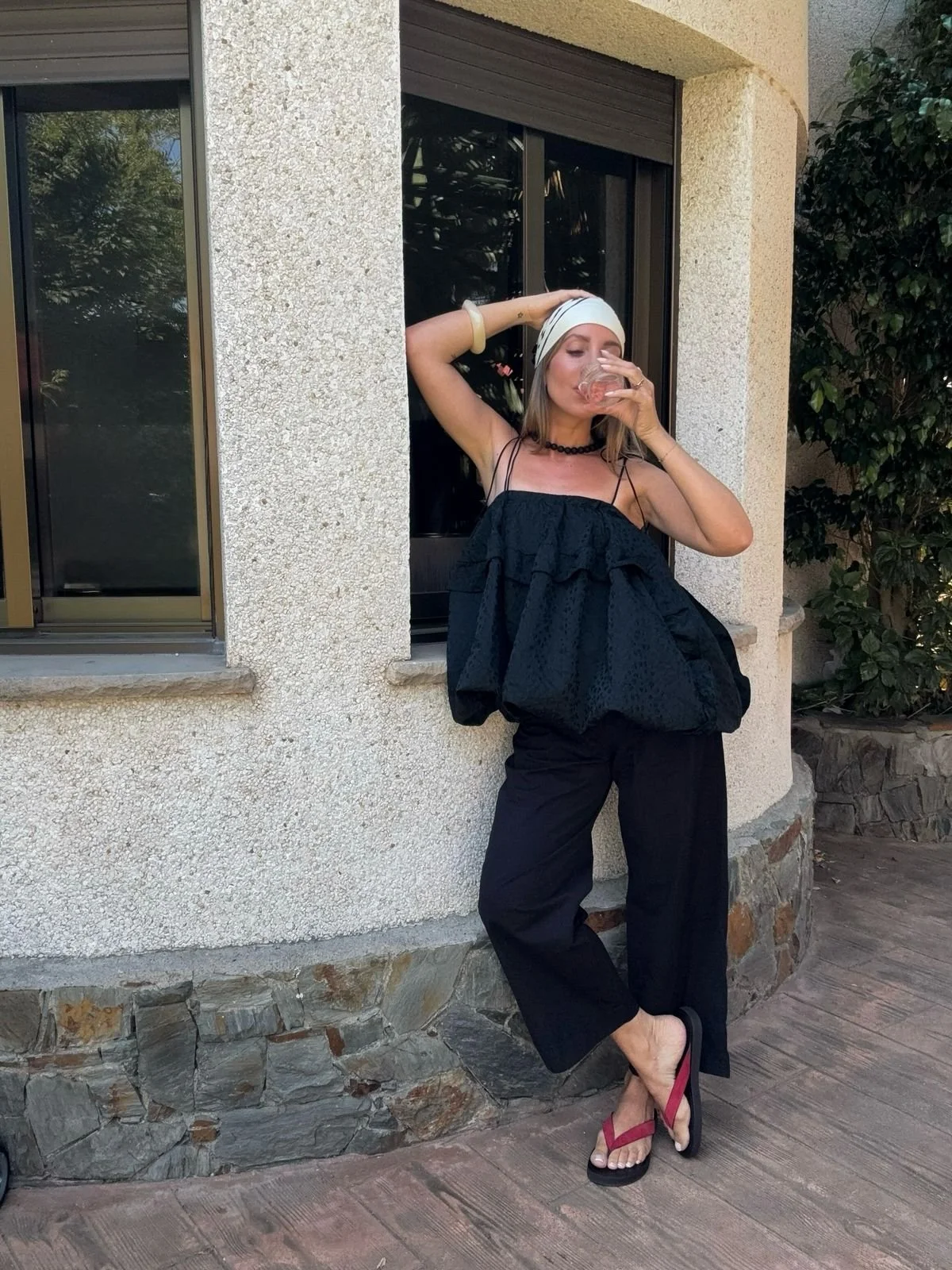
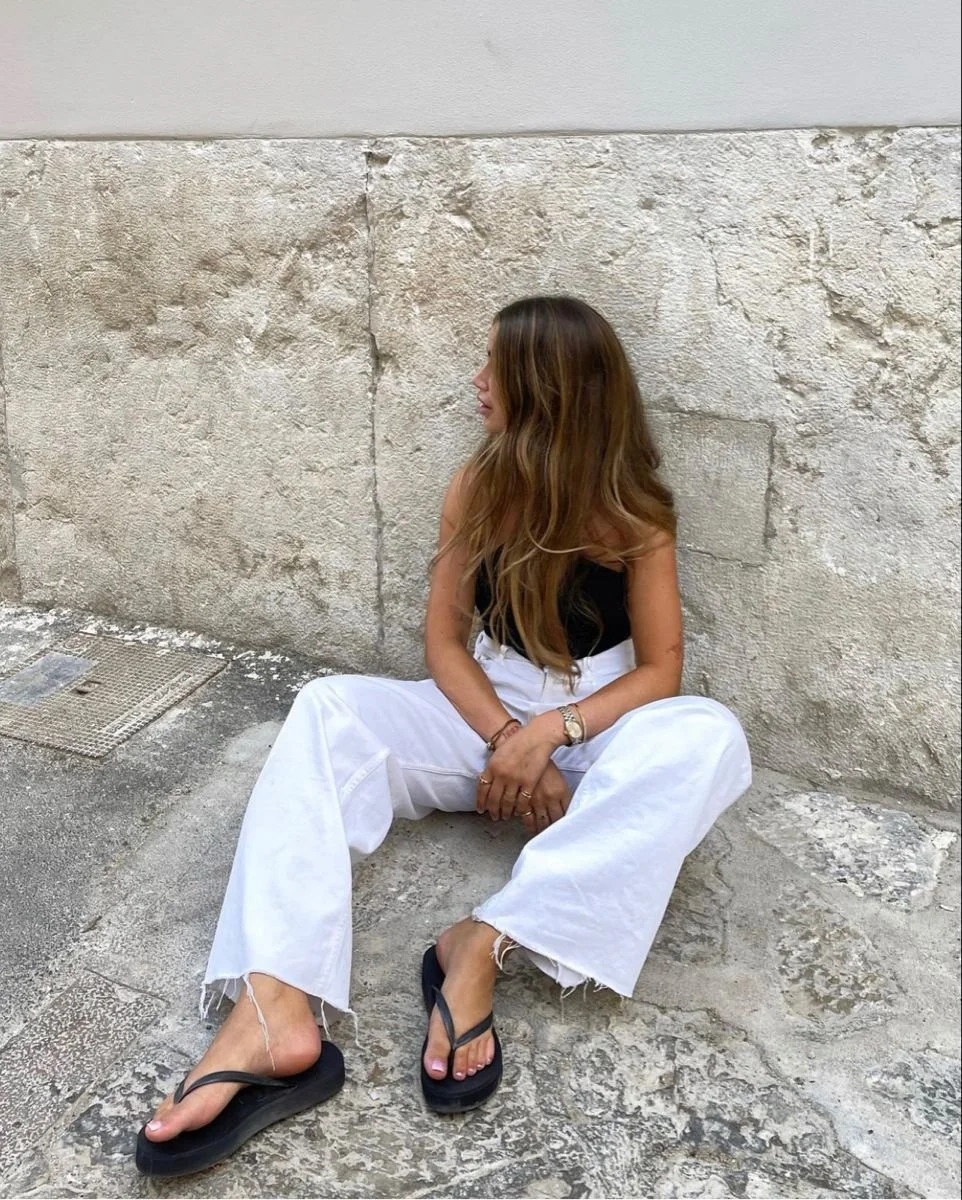
Waterproof Sandals
one way or another, your shoes are getting wet—even when shopping in Klima, a passing ferry can flood the sidewalk


When is the Best Time to Visit Milos?
Following a true island rhythm, the ferries, hotels, and restaurants on Milos sync to the ebb and flow of the seasons. While its rugged beauty shines year-round, your experience will vary dramatically depending on when you go:
Spring (April–May): The island slowly stirs awake from its winter hibernation. By late April, ferries run more frequently, flowers dot the volcanic hillsides, and water taxis begin operating between beaches. Highs in the 70s °F (21–25°C) make for ideal sightseeing weather, though the sea can still be a bit brisk for swimming. It’s a peaceful time to visit before the summer rush — when locals reopen seaside tavernas and fishing villages slowly come back to life.
Summer (June–August): Summer is peak season on Milos — and for good reason. The sea reaches its warmest, clear skies are cloudless, and boats depart daily for Kleftiko’s dazzling sea caves. Expect highs in the 80s–90s °F (27–35°C), strong Meltemi winds in July and August, and plenty of energy pulsing through Plaka’s hilltop bars at sunset. Accommodation sells out quickly, but the lively spirit of a Cycladic summer makes this the most vibrant time to experience the island in full swing.
Autumn (September–October): The still-warm shoulder season on Milos is a calmer alternative to the sizzling summer. Sea temperatures linger in the 70s °F (21–25°C) through September, while crowds taper off dramatically. Ferry routes remain consistent until mid-October, and restaurants stay open until around the end of the month. It’s an ideal window for lowkey travelers craving golden light, empty beaches, and lower prices without sacrificing commercial comforts.
Winter (November–March): For all intents and purposes, this is not the time to visit Milos. Most ferries scale back or pause entirely as the Aegean slips into a silent slumber, and the majority of hotels, restaurants, and shops close for the season. With highs in the 50s–60s °F (10–16°C) and occasional rain, Milos transforms into a quiet local haven for its few thousand permanent residents rather than a tourist destination.
There’s truly nothing better than a Cycladic summer; since Milos is inherently less crowded than its more famous neighbors, this is one Greek island you can confidently visit during the peak season without encountering uncomfortably large crowds. Visiting in early July, I found the island nearly empty—especially when exploring in the early morning.
For a more budget-friendly escape, the shoulder season is still extremely rewarding. Late May and early September are best, offering regular ferry routes, warm seas, and sun-soaked beaches that feel blissfully serene—all the beauty of summer set to a slower, more tranquil rhythm.
Which Greek Islands are Near Milos?
A trip to the Cyclades is rarely a single-stop endeavor. With ferries connecting even the most remote outposts, island hopping is practically a rite of passage, making the long journey to this secluded archipelago even more rewarding. Once you’ve experienced Milos’s volcanic coastlines and fishing villages, consider adding a few of its neighboring destinations to your ferry route:
Kimolos — Milos’s Quiet Twin (0.5-1 hour)
Just a short ferry hop from Pollonia, Kimolos is Milos’s nearest neighbor — the ride takes only 20 minutes from this tip of the island, making it an easy day trip. Visit Prassa Beach, famous for having “the clearest water in the world,” or wander the stone alleyways of Chorio, the island’s only village built around a crumbling Venetian castle. If Milos seems tranquil, Kimolos feels completely untouched — a glimpse of the Cyclades before tourism took hold.Sifnos & Serifos — The Northern Neighbors (1–1.5 hours)
Sailing north brings you to Sifnos and Serifos, two close yet distinct islands, each about 1 to 1.5 hours away by ferry. The “foodie island,” Sifnos is celebrated for its culinary traditions, ceramic workshops, and whitewashed monasteries overlooking the Aegean. Serifos is rugged and dramatic, known for its mountaintop Chora that cascades down a steep hillside and its untamed beaches fringed by wild thyme. Together, they make a natural next stop for travelers seeking authenticity without crowds.Santorini — The Southern Icon (2–7 hours)
Since Milos lies deep in the southwestern Cyclades, you’re already halfway to one of Greece’s most famous: southernmost Santorini. Ferries between Milos and Santorini take 2 to 7 hours depending on the vessel, linking two volcanic landscapes that couldn’t feel more different — Milos’s sculpted coves are dwarfed by Santorini’s towering cliffs. It’s the perfect continuation if you’re chasing romantic sunsets, caldera views, or simply want to end your journey on a high note of refined luxury.Paros — The Central Hub (2–4 hours)
For those heading onward through the Aegean, Paros serves as the Cyclades’ central crossroads. Well-connected by daily ferries to nearly every major island, it’s the ideal midpoint stop between Milos and destinations like Naxos, Mykonos, or Syros. Trade volcanic landscapes for breezy bougainvillea lanes in Naoussa, sandy coves along Monastiri Beach, and the easygoing rhythm of the most balanced Greek island that feels both lively and local.
How Many Days in Milos?
3 days is the ideal amount of time to experience Milos, giving you the chance to bask in the sun while exploring the island’s volcanic beaches and postcard-perfect fishermen settlements. A boat trip to Kleftiko—which is a must-do Milos experience—takes up at least half a day, leaving one full day to cover the island’s northern highlights and another to venture south. I found the upper half of Milos the most rewarding, home to its otherworldly beaches, quaint hamlets, and quintessential Greek villages, so I devoted my remaining half day to exploring this region in depth.
If leisurely lounging is more your pace, extending your stay is absolutely warranted. The Milos in 3 days itinerary outlined above is a “trip” rather than a “vacation” in the sense that you’ll be frequently on the move, spending just a few hours at each stop. If you prefer slower mornings and want to avoid hopping in the car multiple times a day, an extended stay will allow you to truly unwind while uncovering every hidden cove and coastal curve of this Cycladic gem.
Is Milos Worth Visiting?
When deciding which Greek islands to visit, Milos may not come up within the most common top three—those being Santorini, Mykonos, and Paros—but this lack of notoriety is part of the reason it’s such a delightful stay. Avoiding the typical fate of overdevelopment, it retains a quiet, authentic feel compared to more tourist-saturated centers like Oia or Mykonos Town.
There’s truly something for everyone on Milos from adventurous pursuits for thrill-seekers like the descents to Tsigrado Beach and Papafragas Caves, or luxurious loungers on the soft, golden sand of Provatas Beach. Part of Greece’s general charm comes from the whitewashed façades of cubic Cycladic architecture, but even that can get a bit repetitive after a while once you see it on island after island. Milos, on the other hand, has truly one-of-a-kind sites you can’t find anywhere else in the world—and not just one, but plenty of them!
These incomparable gems solidify Milos as my favorite Greek island I’ve ever visited, and I look forward to the day I can return to the lunar landscape of Sarakiniko and pastel paradise of Mandrakia, because I know I won’t be able to find anything like them during my travels elsewhere.
Milos for First-Timers: FAQs
Do they speak English in Milos?
While Greek is the official language of Greece, English is incredibly common given the language has been a compulsory school subject for decades. I never encountered a language barrier once during my 3 days in Milos and successfully communicated with every local I encountered in the tourism industry.
What is the currency in Milos?
As a member of the European Union, the euro is the official currency of Greece. Visa and Mastercard payments are widely accepted in Milos, with cash nice to have on hand for local souvenir and craft studios like those around Plaka and Pliatsiko in Klima. Tipping isn’t obligatory, but rounding up the bill or leaving 5–10% for good service is a courteous gesture appreciated by locals—especially when indulging in fine dining like Makris.
After ordering, the bill will be immediately printed and placed in a small tray on the table for your review. Upon asking to pay, the waiter will review this total and input it into a handheld card reader.
Where to find the Milos fisherman village?
There’s not one singular fishing village on Milos, but rather a few colorful hamlets to explore. The stone boat garages of Mandrakia, tiny cove settlement of Firopotamos, and rainbow-colored syrmata of Klima are the most mainstream, with many of the boat-houses converted into boutique accommodations today. More remote options include Areti, Fourkovouni, and Agios Konstantinos—these smaller, secluded settlements retain a more authentic feel ideal for a quiet escape since they are still used seasonally by locals for mooring small boats.
What to do in Milos for 3 days?
Above all else, a boat trip to Kleftiko—either a half or full-day excursion—is a must when planning 3 days in Milos. Renowned for its volcanic coastline and colorful fishing villages, the question of what to do in Milos Greece is next best answered by exploring the island’s signature mix of beaches, harbors, and hilltop views. There’s an abundance to go around, so tailor your itinerary to the sites suited to your travel preferences.
For a 3 day Milos itinerary balancing tradition and luxury, leisure and adventure, begin in Plaka, climbing to the Venetian Castle for panoramic vistas before descending to Mandrakia for seaside dining at Medusa. Day two spotlights the moonlike landscape of Sarakiniko Beach, the syrmata boathouses of Klima, and the quiet coves of Firopotamos and Papafragas. Conclude with a boat tour to the pirate caves of Kleftiko on your last day, then dine on geothermal cuisine at Sirocco Volcanic Restaurant.
✺ TRAVEL TOOLS ✺
Keep a short list of my Milos recommendations handy (Benable)
Add this Milos map to your phone for easy navigation during your trip (Google Maps)
✺ ABOUT ME ✺

Hi, I’m Ashley. I’m determined to see the world. All of it. Are you coming with?
While I respect the digital nomads, van life, and the hardcore backpackers—that’s just not me.
I’m convinced I can travel and keep my job.
It’ll take a lifetime, but I’m going to make it to all 195 countries before my time is up—and I’m taking you along for the ride!
✺ READ MORE ON THE BLOG ✺




![How to Drive Moonview Highway IRL: Mario Kart Japan [2025]](https://images.squarespace-cdn.com/content/v1/652732149424c20baf5e26c9/1738472940390-H4PXMWODU3MAQVIIOJ8I/IMG_1412+copy+%281%29.jpg)


![Tokyo’s Top Sites – How to Buy Shibuya Sky Tickets [2025]](https://images.squarespace-cdn.com/content/v1/652732149424c20baf5e26c9/1736655941250-HONDE4J7JOOEN5NJNNLJ/IMG_8461+copy+%281%29.JPG)